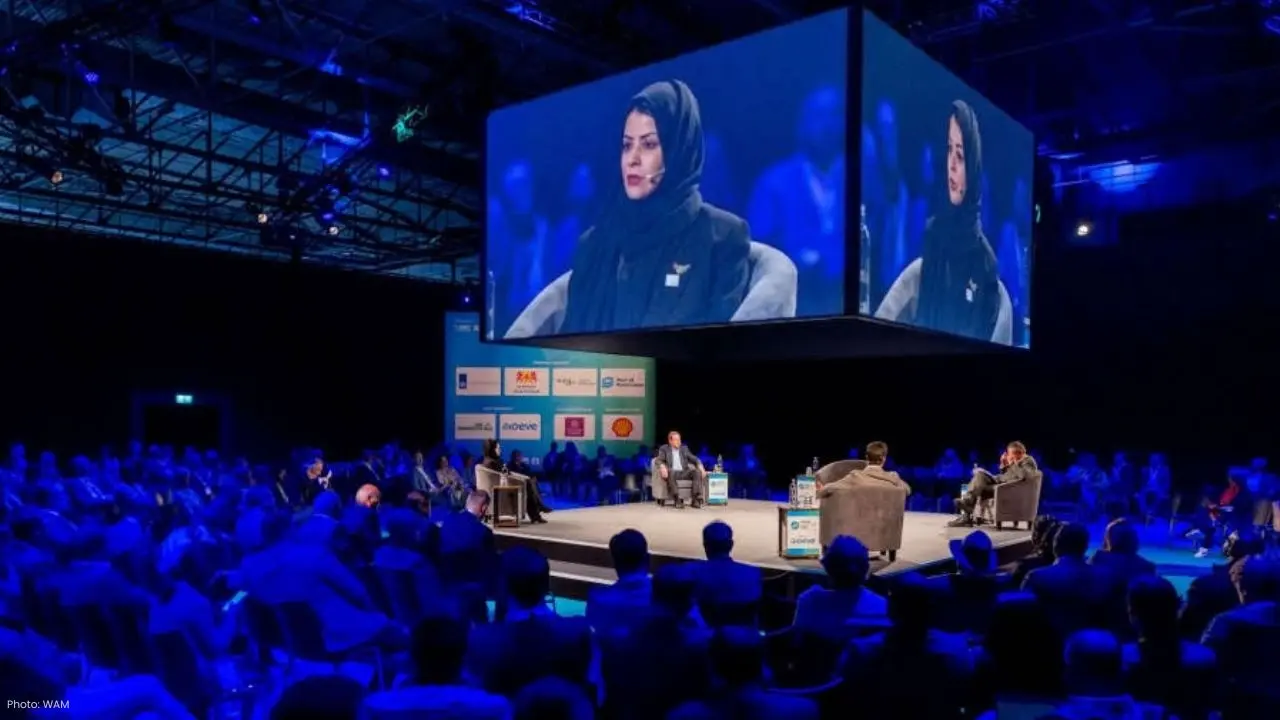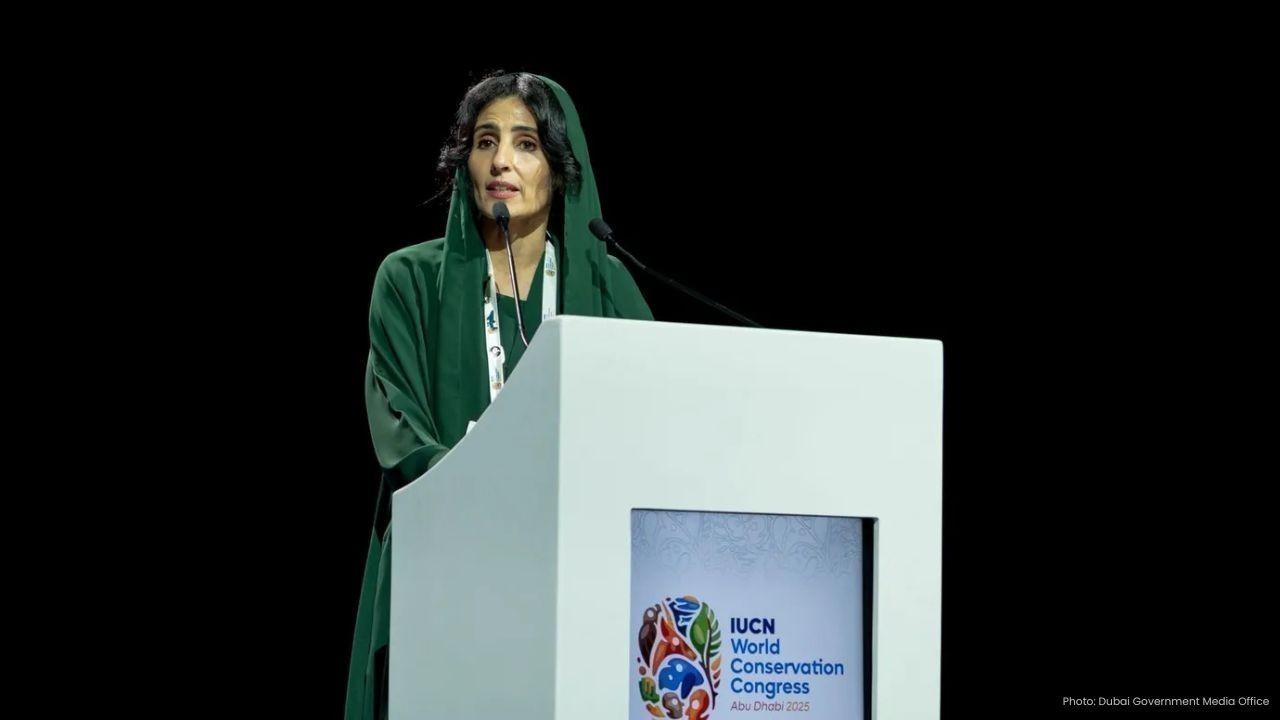
Her Excellency Razan Khalifa Al Mubarak has been re-elected as President of the International Union for Conservation of Nature (IUCN) during the World Conservation Congress held in Abu Dhabi. The announcement marks a significant moment for global conservation efforts, reaffirming her leadership as IUCN enters a crucial decade for nature and climate action.
Al Mubarak, the first president from West Asia and only the second woman to lead IUCN in its 77-year history, will now serve a second four-year term. The re-election was confirmed by a majority of IUCN’s 1,400 member organisations representing 160 countries, reflecting widespread trust in her ability to guide the global environmental body through this decisive period.
Stay informed with the latest news. Follow DXB News Network on WhatsApp Channel
Under her leadership, IUCN has strengthened governance, renewed international collaboration, and advanced the integration of nature into global climate and biodiversity agendas. The organisation — regarded as the world’s largest and most influential environmental network — includes governments, NGOs, and experts working together to protect ecosystems and promote sustainable use of natural resources.
The re-election coincides with the launch of IUCN’s new four-year Programme of Work, which will help drive efforts toward the 2030 global biodiversity and climate goals. Al Mubarak will oversee the implementation of IUCN’s 20-year Vision, focused on turning commitments into measurable conservation outcomes.
Her journey in environmental leadership began in 2001 when she co-founded Emirates Nature–WWF, leading key initiatives such as protecting the UAE’s coral reefs, developing the nation’s first mountain national park, and ensuring the safety of nesting sea turtles. In 2010, she became the youngest person to head a government entity in Abu Dhabi as Secretary-General of the Environment Agency–Abu Dhabi (EAD), where she now serves as Managing Director.
Through her stewardship, EAD played a crucial role in the successful reintroduction of endangered species like the Arabian Oryx in the UAE and the Scimitar-horned Oryx in Chad. She also helped transform the Mohamed bin Zayed Species Conservation Fund into one of the world’s leading philanthropic initiatives, supporting over 3,100 projects and protecting nearly 1,900 species across the globe.
As she begins her second term, Al Mubarak’s re-election reinforces the UAE’s growing influence in global sustainability efforts. Her leadership continues to highlight the vital link between biodiversity, climate resilience, and human well-being — a message resonating strongly as the world intensifies its focus on restoring nature and protecting the planet for future generations.