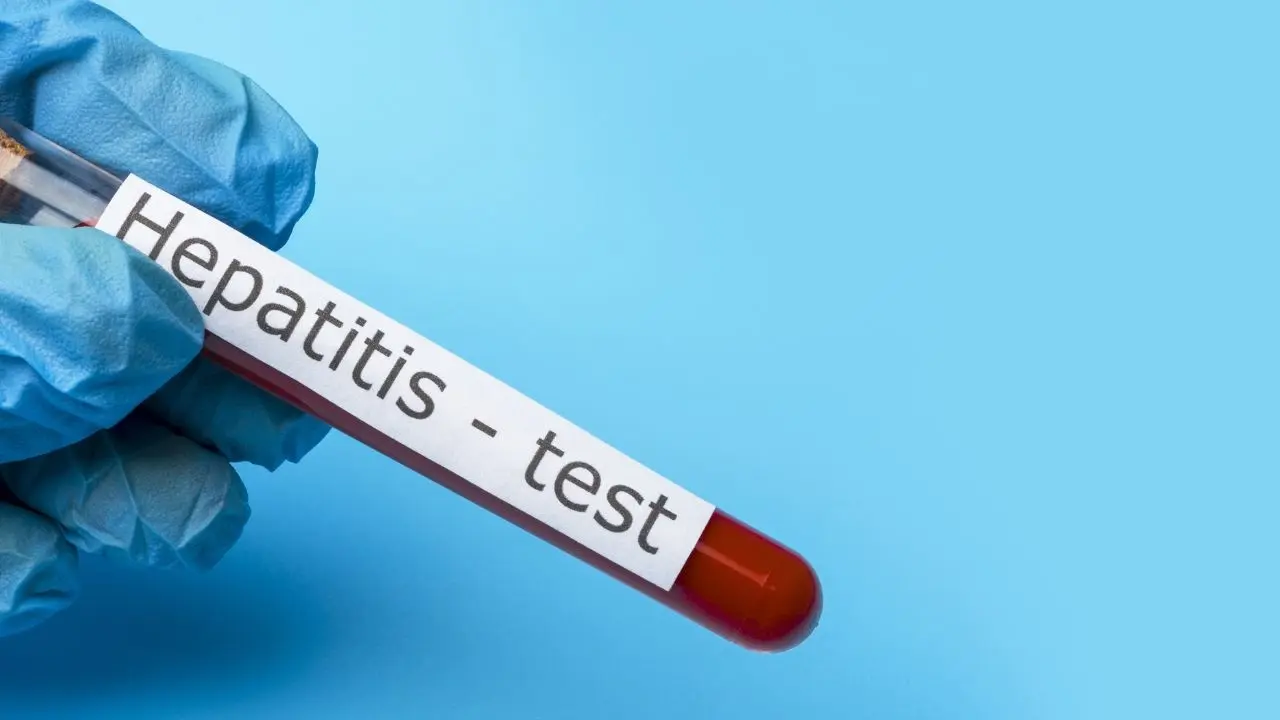
What Are Preventive Health Checkups
Preventive health checkups are routine medical tests done to identify potential health issues before symptoms appear. Unlike diagnostic tests taken after illness, these checkups focus on early detection, risk assessment, and overall health monitoring.
Why Preventive Health Checkups Matter
Early Detection of Silent Diseases
Many lifestyle-related conditions such as diabetes, high blood pressure, cholesterol imbalance, and thyroid disorders develop quietly. Preventive tests help detect these conditions early, making treatment simpler and more effective.
Lower Healthcare Costs in the Long Run
Treating a disease at an advanced stage is often expensive and stressful. Early diagnosis through regular checkups reduces hospitalization, medication dependency, and long-term medical costs.
Better Quality of Life
Knowing your health status helps you make timely lifestyle changes. Early action improves energy levels, mental well-being, productivity, and overall life balance.
Reduced Risk of Complications
Unchecked health issues can lead to serious complications affecting the heart, kidneys, brain, and immunity. Preventive screening helps control risks before damage occurs.
When Should Preventive Health Checkups Start
In Your 20s and Early 30s
This stage focuses on establishing baseline health data. Basic tests like blood sugar, blood pressure, BMI, and routine blood work help track future changes and build healthy habits early.
In Your Mid-30s to 40s
Metabolism slows down and stress levels increase. Regular screening becomes important for cholesterol, diabetes, liver function, thyroid health, and heart risk assessment.
After 50 Years
The risk of chronic diseases increases significantly. More frequent and detailed checkups are advised, including heart health tests, bone density screening, vision checks, and cancer-related screenings based on individual risk factors.
Key Health Areas Covered in Preventive Checkups
Heart Health
Blood pressure, cholesterol levels, and heart risk indicators help assess the risk of heart disease and stroke.
Metabolic Health
Blood sugar, insulin levels, and weight trends help detect diabetes and metabolic disorders early.
Liver and Kidney Function
These tests evaluate how well vital organs are working and identify damage caused by lifestyle habits, medications, or infections.
Hormonal Balance
Thyroid and other hormone tests help explain unexplained fatigue, weight changes, mood swings, and sleep issues.
Nutritional Deficiencies
Deficiencies in vitamins and minerals can cause low immunity, hair fall, bone weakness, and poor energy levels. Early detection supports timely correction.
Preventive Checkups and Mental Health
Modern checkups increasingly recognize the link between physical and mental health. Chronic stress, poor sleep, and burnout can affect blood pressure, digestion, and immunity. Regular assessments help address these issues holistically.
Common Reasons People Skip Preventive Checkups
Feeling Healthy
Many people avoid checkups because they feel fine. However, most lifestyle diseases show no early symptoms.
Fear of Results
Avoiding tests does not prevent disease. Early knowledge provides control and peace of mind rather than fear.
Busy Schedules
Delaying health checkups due to work pressure often leads to bigger health disruptions later.
How Often Preventive Checkups Should Be Done
Healthy Adults
Once a year is generally sufficient for basic screening.
People With Risk Factors
Those with family history, stress-heavy lifestyles, obesity, or existing conditions may need more frequent monitoring as advised by doctors.
How Preventive Checkups Support Long-Term Health Planning
Regular health data helps track trends rather than isolated numbers. This allows doctors to recommend personalized lifestyle changes, diet adjustments, and preventive care strategies over time.
Preventive Health Checkups for Working Professionals
Long sitting hours, screen exposure, irregular meals, and stress make preventive screening especially important for professionals. Early detection helps maintain productivity and work-life balance.
Building a Preventive Health Mindset
Health should be managed proactively, not reactively. Preventive checkups shift focus from illness treatment to wellness maintenance, empowering individuals to take control of their future health.
Final Thoughts
Preventive health checkups are not about finding problems but about preventing them. Starting early and staying consistent can significantly reduce health risks, medical expenses, and stress while improving overall well-being.
Disclaimer
This article is for informational purposes only and does not substitute professional medical advice. Always consult a qualified healthcare provider for personalized health screening recommendations and diagnosis.