Feeling Anxious Without a Reason? This Daily Routine Might Be the Trigger
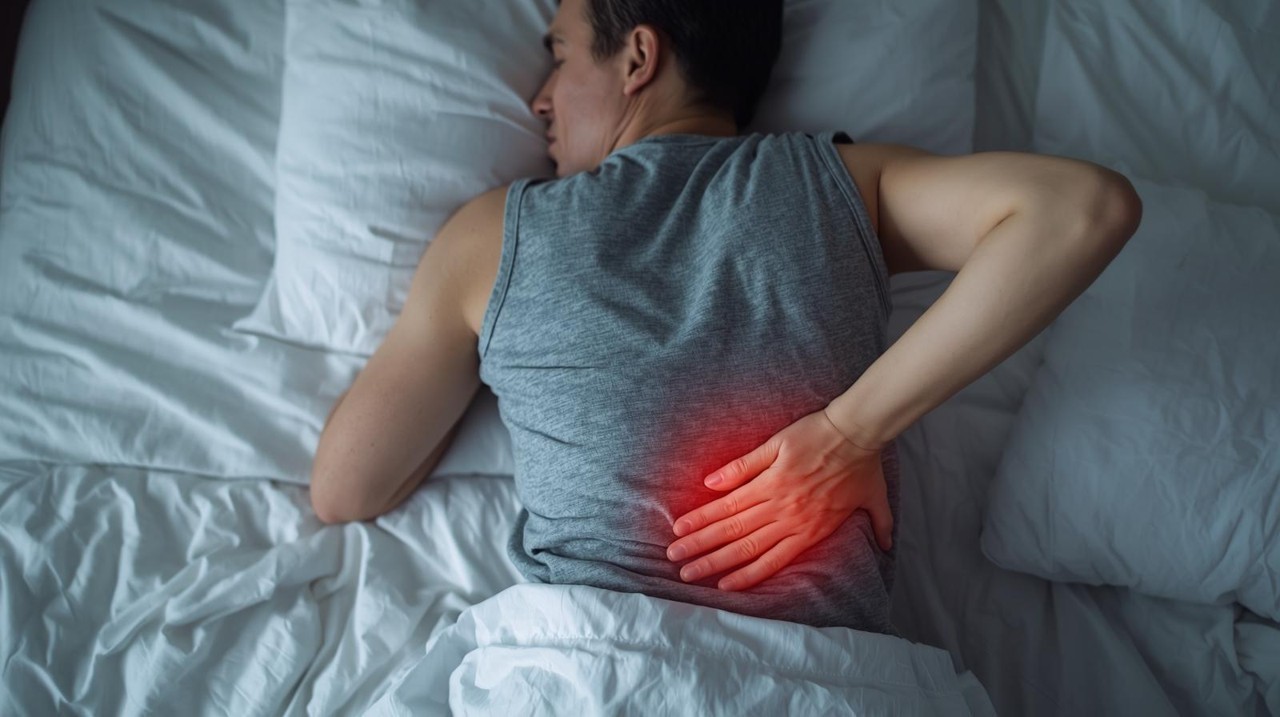
Feeling anxious without a clear reason is becoming increasingly common. Many people report a constant sense of unease, restlessness, racing thoughts, or tightness in the chest—even when life appears stable. There’s no immediate danger, no obvious problem, yet the anxiety feels real and persistent. In most cases, this type of anxiety is not random. It is often the result of a repeated daily routine that silently overstimulates the nervous system.
This article explains how modern daily habits unknowingly create anxiety, how the body responds to these patterns, and what you can realistically change to regain calm and emotional balance.
Why Anxiety Today Often Has No Single Cause
Traditional anxiety was usually linked to clear stressors such as trauma, financial instability, or major life events. Today’s anxiety is different. It is often low-grade, chronic, and constant, driven by cumulative lifestyle pressure rather than one identifiable trigger.
Your nervous system responds not just to danger, but to constant stimulation, unpredictability, and overload. When these factors are present daily, the body stays in a heightened alert state.
The Nervous System and the Anxiety Loop
Your body operates through two primary nervous system states:
-
Sympathetic system: Fight-or-flight mode
-
Parasympathetic system: Rest-and-recover mode
Anxiety develops when the body spends too much time in the sympathetic state and too little time recovering.
Modern routines repeatedly activate stress responses without allowing recovery, creating a loop where anxiety becomes the default state.
Morning Routines That Quietly Trigger Anxiety
How you start your day sets the tone for your nervous system.
Phone-first mornings
Checking messages, emails, news, or social media immediately after waking floods the brain with information before it is fully alert.
-
Triggers cortisol spikes
-
Creates urgency before clarity
-
Signals the brain that danger or demand is present
This puts your body into stress mode within minutes of waking.
Skipping a calm transition into the day
Rushing out of bed, skipping breakfast, or multitasking early prevents the nervous system from stabilizing.
A calm morning is not a luxury—it is regulation.
Caffeine Overload and Anxiety Sensitivity
Caffeine is one of the most underestimated anxiety triggers.
Why caffeine worsens anxiety
-
Stimulates adrenaline release
-
Raises heart rate and blood pressure
-
Mimics anxiety symptoms physically
When caffeine intake is high or consumed on an empty stomach, the body struggles to differentiate stimulation from danger.
Many people mistake caffeine-induced nervousness for unexplained anxiety.
Irregular Eating and Blood Sugar Fluctuations
Blood sugar instability is a major but overlooked anxiety contributor.
How it works
-
Skipped meals lead to low blood sugar
-
Low blood sugar triggers cortisol release
-
Cortisol causes shakiness, irritability, and anxiety
This creates emotional instability without any mental cause.
Stable blood sugar equals stable mood.
Screen Exposure and Constant Mental Noise
Screens are not neutral tools. They actively shape brain chemistry.
Effects of excessive screen exposure
-
Continuous dopamine stimulation
-
Reduced attention span
-
Increased comparison and self-judgment
-
Overactivation of the nervous system
Scrolling late at night is particularly harmful because it delays melatonin production and disrupts emotional recovery.
Information Overload and Decision Fatigue
Modern life requires hundreds of micro-decisions daily.
-
What to respond to
-
What to ignore
-
What to buy
-
What to post
-
What to believe
This constant decision-making exhausts the brain and creates background anxiety, even when no decision feels urgent.
Lack of Physical Movement
A sedentary routine traps stress hormones in the body.
Why movement matters
Stress hormones are designed to be burned off through physical activity. Without movement:
-
Cortisol remains elevated
-
Muscles stay tense
-
The body remains alert
Even light daily movement signals safety to the nervous system.
Poor Sleep Quality, Not Just Sleep Duration
Many people sleep for 7–8 hours but still wake anxious.
Why this happens
-
Late-night stimulation fragments deep sleep
-
Inconsistent sleep times confuse circadian rhythm
-
Emotional processing during REM sleep gets disrupted
Sleep is when the brain resets emotional balance. Poor-quality sleep leaves anxiety unresolved.
Multitasking as a Default Mode
Constant multitasking trains the brain to stay alert.
-
Switching tasks rapidly
-
Consuming content while working
-
Never fully finishing one thing
This creates a sense of internal chaos, which the body interprets as threat.
Single-tasking restores mental safety.
Social Comparison and Subtle Self-Pressure
Daily exposure to curated online lives creates subconscious stress.
-
Feeling behind
-
Comparing productivity or success
-
Measuring self-worth digitally
This pressure is subtle but constant, leading to anxiety without a clear reason.
Suppressing Emotions Instead of Processing Them
Modern routines leave little time for emotional processing.
-
No pause between tasks
-
No quiet reflection
-
No emotional release
Unprocessed emotions accumulate and manifest as anxiety.
Anxiety is often emotion without expression.
The Daily Anxiety-Creating Routine
Many people unknowingly follow this cycle:
-
Wake up and check phone
-
Rush through the morning
-
Rely on caffeine
-
Skip balanced meals
-
Sit for long hours
-
Multitask constantly
-
Scroll late at night
-
Sleep poorly
This routine trains the nervous system to stay alert at all times.
How to Break the Anxiety Loop Gently
Fixing anxiety does not require drastic changes. Small shifts restore balance.
Start mornings without stimulation
Delay phone use for at least 30 minutes after waking.
Eat consistently
Regular meals stabilize blood sugar and mood.
Reduce caffeine dependency
Lower intake gradually and avoid late consumption.
Introduce daily movement
Walking, stretching, or light exercise signals safety.
Create an evening wind-down routine
Reduce screens and stimulation before bed.
Allow mental pauses
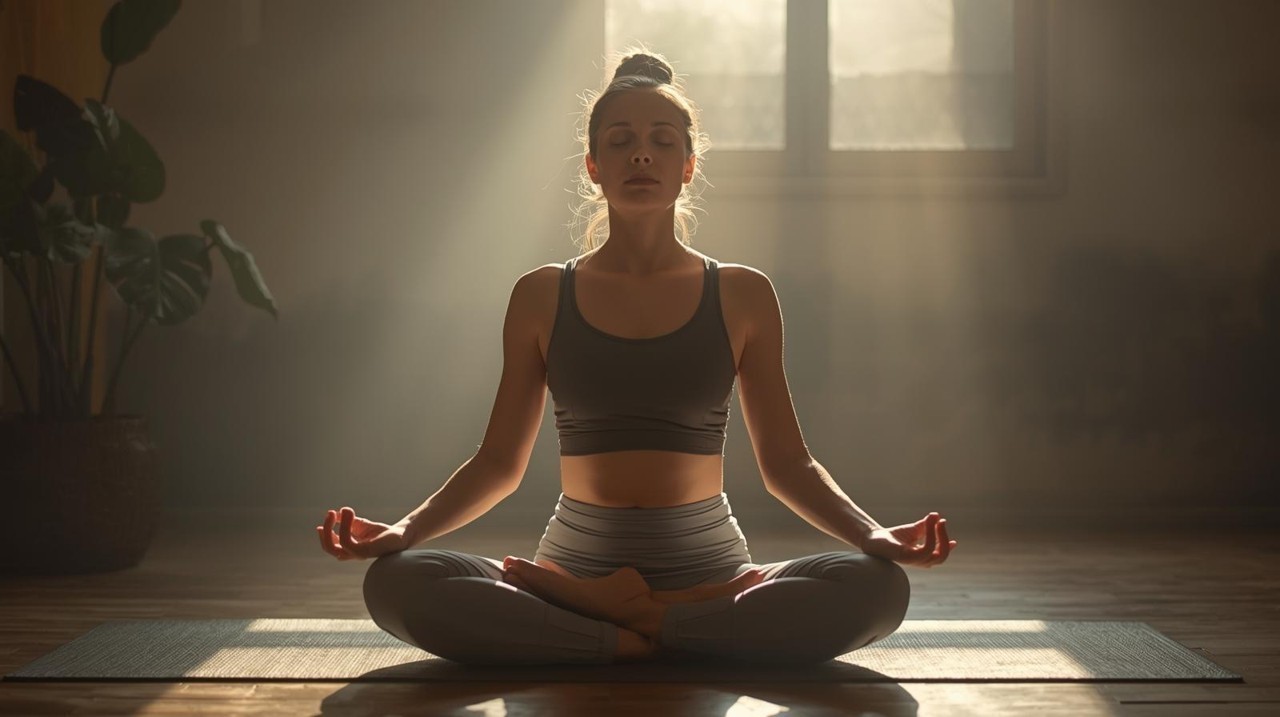
Moments of stillness help the nervous system reset.
When Anxiety Needs Professional Support
Seek professional help if anxiety:
-
Interferes with daily functioning
-
Causes panic attacks
-
Persists despite lifestyle changes
-
Is accompanied by depression or physical symptoms
Support is not a weakness—it’s regulation.
The Real Reason Anxiety Feels “Random”
Anxiety without reason is rarely random. It is the result of how the body responds to daily patterns, not personal failure or mental weakness.
Your routine teaches your nervous system what to expect from life. Change the signals, and the response changes too.
Final Perspective on Lifestyle-Induced Anxiety
Modern anxiety is often the body asking for rhythm, safety, and recovery. When daily routines overwhelm the nervous system, anxiety becomes a survival response.
Calm is not something you force—it’s something you allow by changing what you expose your body to every day.
Disclaimer
This article is for informational and educational purposes only and does not replace professional mental health advice, diagnosis, or treatment. Anxiety symptoms and triggers vary by individual. If anxiety is severe, persistent, or affecting daily life, consult a qualified mental health professional for personalized care and support.