Why Walking Daily Isn’t Helping You Lose Weight Anymore
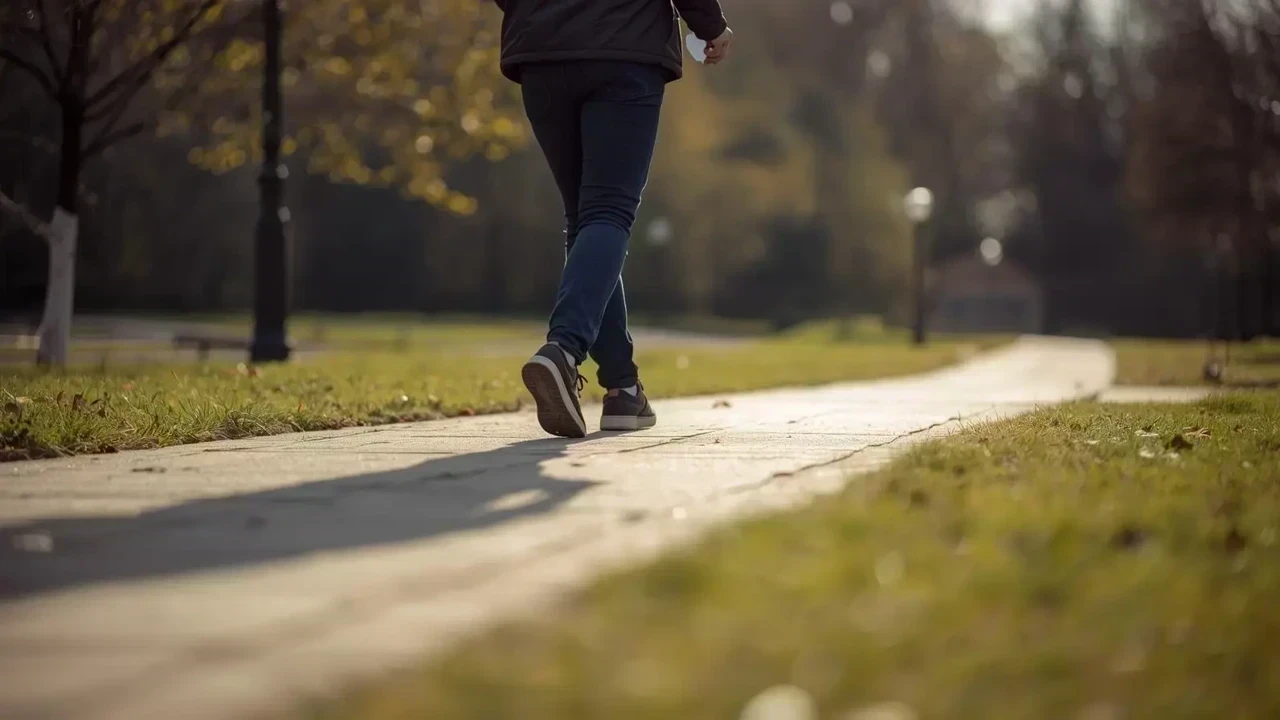
Walking is often recommended as the safest, easiest, and most sustainable way to lose weight. In the beginning, it works. The scale moves, clothes feel looser, and energy improves. But after a few months, many people face a frustrating reality: they walk every day, yet weight loss completely stalls. This does not mean walking has stopped being healthy—it means your body has adapted.
Understanding why this happens is essential if you want to restart fat loss without extreme workouts or unhealthy dieting.
Weight Loss Is Not Linear—Your Body Learns Fast
The human body is designed to adapt for survival. When you start walking regularly, your body initially burns more calories because the activity is new. Over time, it becomes efficient.
What adaptation means
-
Your muscles learn to use less energy
-
Heart rate response becomes lower
-
Calories burned per walk gradually decrease
-
The same distance no longer challenges the body
Walking that once burned 250 calories may now burn only 150 for the same effort.
Calorie Burn from Walking Is Lower Than You Think
Walking is excellent for health, but it is not a high-calorie-burning activity.
Reality check
-
30 minutes of walking burns roughly 120–180 calories
-
One extra snack can easily cancel this deficit
-
Weight loss requires a consistent calorie gap
Many people unknowingly eat back the calories they burn, especially when walking increases appetite.
Walking Increases Appetite for Some People
For many individuals, walking triggers hunger signals.
Why this happens
-
Blood sugar drops after activity
-
Cortisol rises mildly with movement
-
The brain seeks quick energy
This leads to larger portions, frequent snacking, or reward eating, even if meals seem “healthy.”
Walking Alone Does Not Build Enough Muscle
Muscle plays a major role in metabolism.
Why muscle matters
-
Muscle burns more calories at rest
-
Higher muscle mass improves insulin sensitivity
-
Fat loss improves when muscle is preserved
Walking mainly uses endurance muscle fibers and does not stimulate muscle growth, especially in the upper body.
Metabolic Slowdown Happens with Repetitive Activity
Doing the same activity daily without variation causes metabolic efficiency.
Signs of slowdown
-
Weight loss stalls
-
Energy levels drop
-
You feel tired but not challenged
Your body burns fewer calories because it no longer sees walking as a threat.
Walking Pace Often Isn’t Fat-Loss Effective
Casual walking is not intense enough for fat loss.
Common mistake
Many people walk at a relaxed pace that doesn’t elevate heart rate sufficiently.
Fat-burning zone misunderstanding
Fat loss depends on total calorie burn and metabolic demand—not just low-intensity movement.
Stress and Cortisol Can Block Fat Loss
Ironically, over-relying on walking while under-eating can increase stress hormones.
How cortisol interferes
-
Encourages fat storage
-
Breaks down muscle
-
Increases cravings
-
Disrupts sleep
This is common in people who walk long distances daily but restrict calories heavily.
Walking Does Not Address Insulin Resistance
Insulin resistance is a major reason fat loss stops.
Why walking may not fix it
-
Low intensity does not improve glucose uptake significantly
-
Muscle contraction strength matters for insulin sensitivity
Strength training and varied intensity are more effective for metabolic health.
NEAT Compensation Cancels Your Effort
NEAT stands for Non-Exercise Activity Thermogenesis.
What happens
If you walk daily, your body may subconsciously:
-
Move less the rest of the day
-
Sit longer
-
Reduce spontaneous activity
This cancels out the calories burned during walking.
Age and Hormonal Changes Reduce Walking Effectiveness
As you age, fat loss requires more stimulus.
Hormonal shifts include
-
Lower muscle-building hormones
-
Reduced metabolic rate
-
Higher fat storage tendency
Walking alone may not be enough stimulus for body recomposition after your late 20s or 30s.
Walking Does Not Create Afterburn Effect
Some exercises increase calorie burn even after you stop.
Walking vs resistance training
-
Walking stops burning calories once finished
-
Strength and interval training elevate metabolism for hours
This afterburn effect is missing in steady walking.
When Walking Still Helps (But Not Alone)
Walking is still valuable.
Benefits include
-
Stress reduction
-
Improved digestion
-
Better sleep
-
Cardiovascular health
But it must be part of a system, not the only tool.
How to Make Walking Work Again for Fat Loss
Change walking intensity
-
Add short bursts of faster walking
-
Include incline or stairs
-
Vary speed throughout the walk
This challenges the body again.
Reduce walking duration, increase quality
Long, slow walks daily may increase fatigue.
Shorter, intentional walks with variation work better.
Combine walking with strength training
Even 2–3 sessions weekly can:
-
Preserve muscle
-
Improve insulin sensitivity
-
Increase fat loss
This dramatically improves results.
Adjust nutrition slightly
-
Increase protein intake
-
Avoid reward eating
-
Eat consistent meals
Small changes matter more than extreme dieting.
Improve recovery and sleep
Poor sleep increases fat storage hormones.
Walking more will not fix hormonal imbalance caused by sleep deprivation.
The Psychological Trap of “I Walk, So I Deserve This”
Many people subconsciously justify overeating because they walked.
This mental reward system often stops fat loss without being noticed.
Why the Scale May Not Move Even If Fat Is Reducing
Walking can improve body composition slowly.
Possible changes
-
Fat loss with water retention
-
Muscle preservation
-
Reduced inflammation
Measurements, clothes fit, and energy are better indicators than scale weight alone.
When to Rethink Your Strategy
You should reassess if:
-
Weight hasn’t changed in 6–8 weeks
-
Energy levels are low
-
Hunger is increasing
-
Sleep quality is poor
Plateaus are signals, not failures.
The Smarter Way to Use Walking for Weight Loss
Walking should support fat loss, not carry the entire responsibility.
Ideal role of walking
-
Active recovery
-
Stress management
-
Daily movement foundation
Fat loss accelerates when walking is combined with: -
Strength training
-
Nutritional balance
-
Sleep consistency
-
Stress management
Final Perspective on Walking and Weight Loss
Walking did not fail you. Your body simply adapted. Fat loss requires progressive stimulus, not repetition. The solution is not to walk more but to move smarter, eat strategically, and support your metabolism.
Weight loss is a system, not a single habit.
Disclaimer
This article is for informational and educational purposes only and does not replace professional medical or fitness advice. Weight loss results vary based on individual metabolism, health conditions, and lifestyle factors. Consult a qualified healthcare or fitness professional before making significant changes to your exercise or nutrition routine.