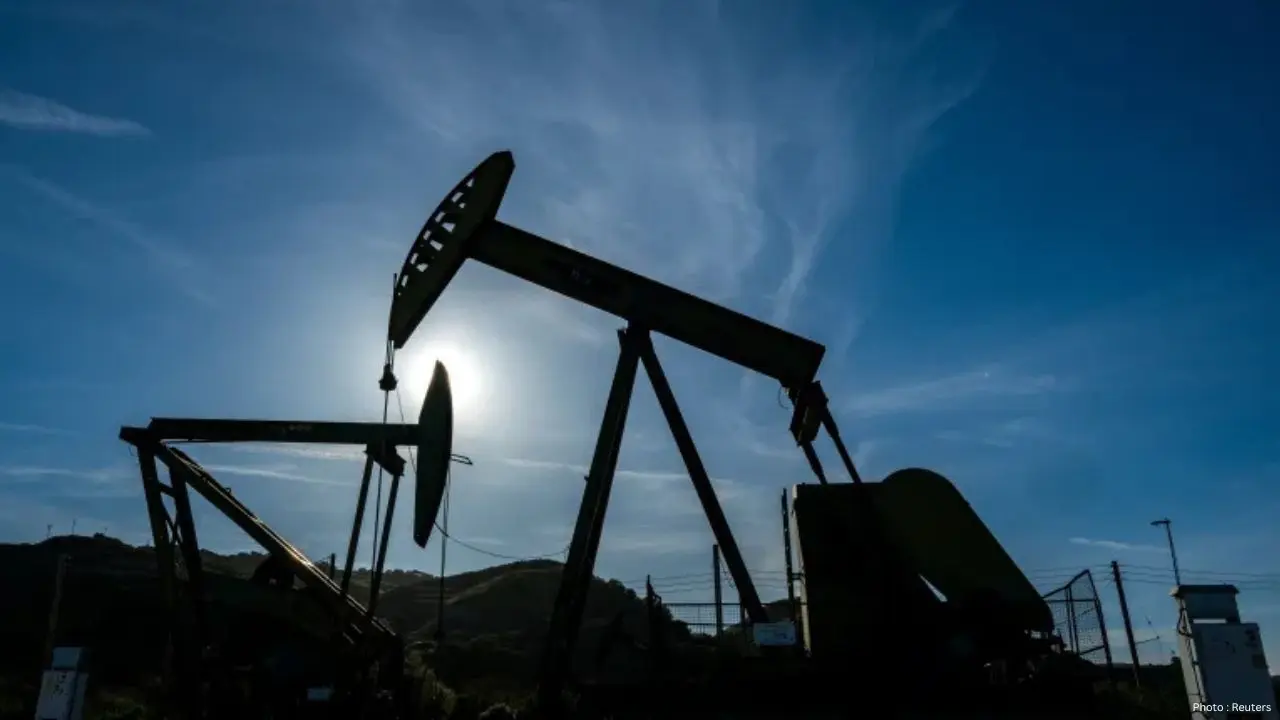
Oil prices have surged globally following a standstill in negotiations between the US and Iran. This escalation underscores the delicate connection between political stability and economic health, particularly in the Middle East. Heightened tensions and halted discussions prompt swift reactions in energy markets, impacting nations and populations everywhere.
Recent changes in market conditions reveal that the failure to hold scheduled talks has driven crude oil prices upward, reviving fears of supply shortages. The uncertainty surrounding future oil availability, particularly from vital regions, has raised concerns among traders.
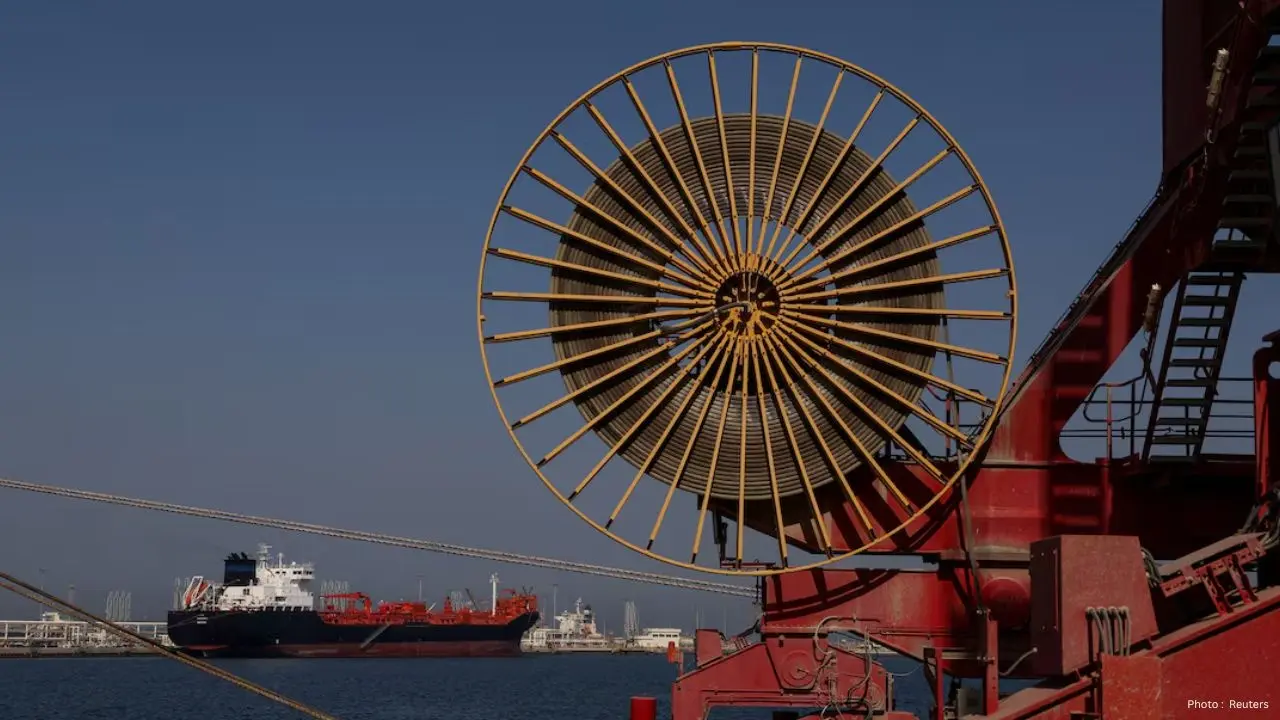
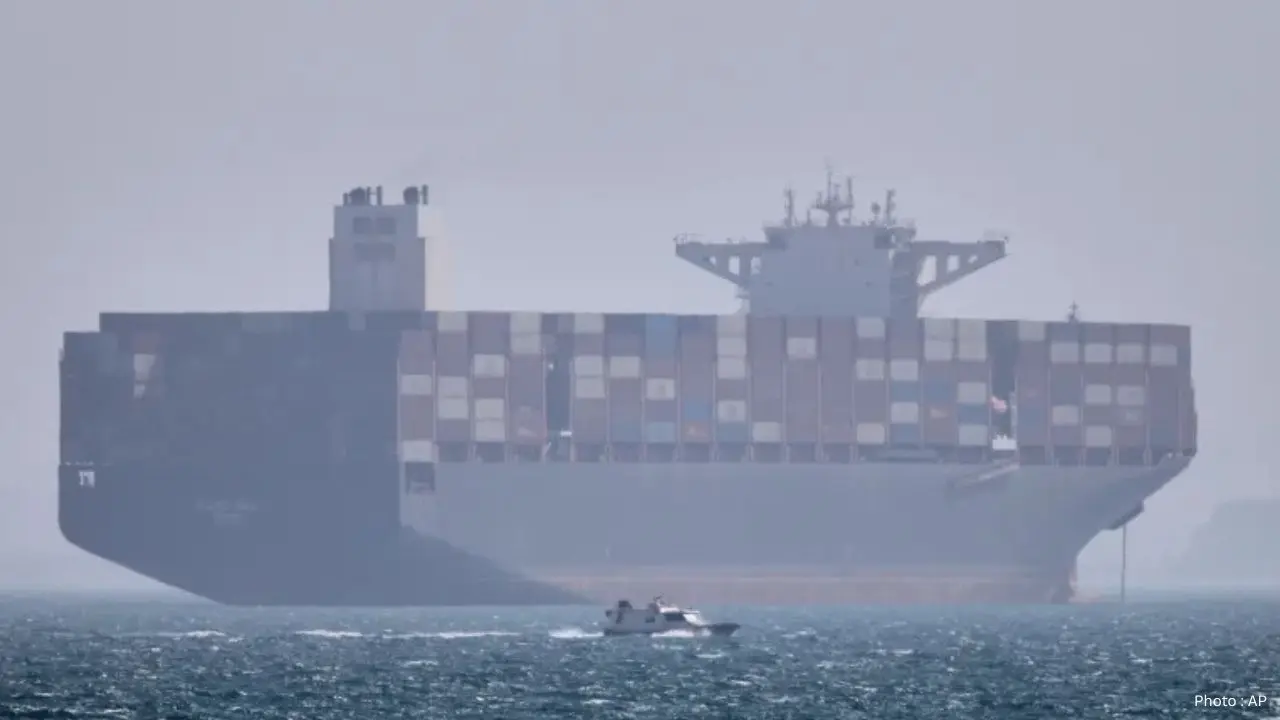
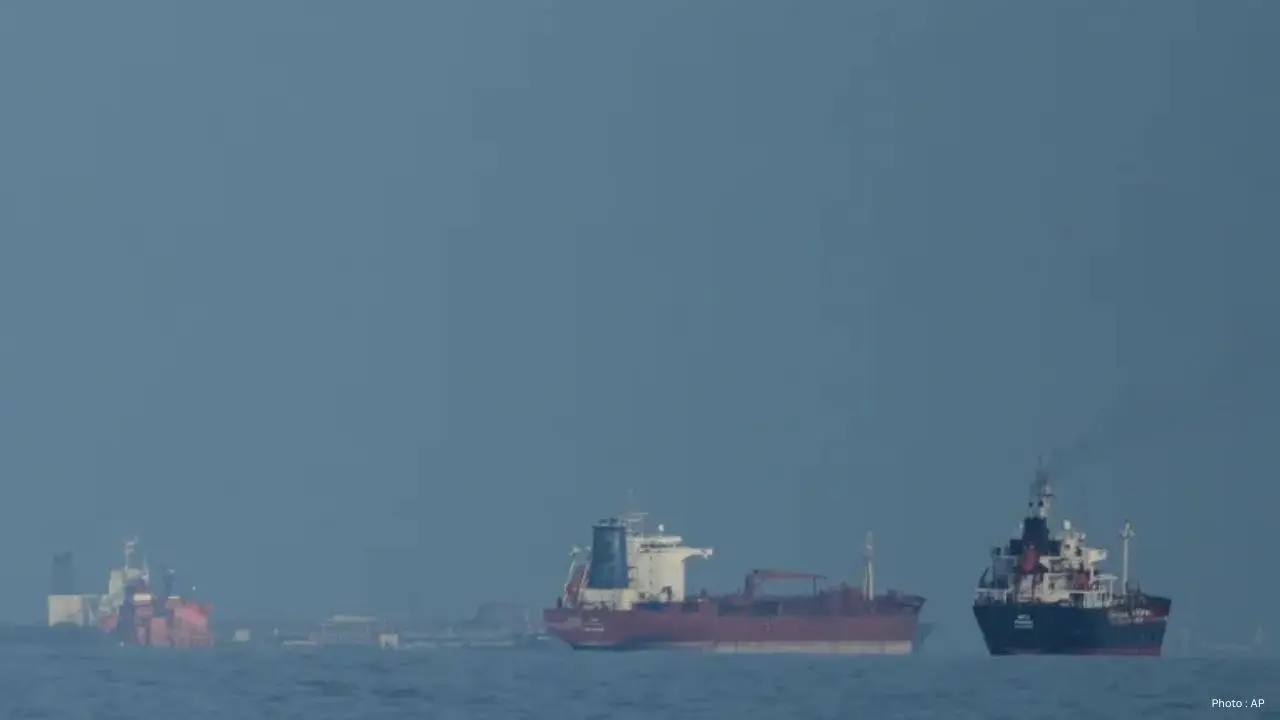
Critical to this situation is the Strait of Hormuz, a key artery for global oil transportation. A significant proportion of the world's oil passes through this narrow strait, meaning that any disturbances could have immediate effects on global supply and price. Recent unrest in this region has already complicated oil shipments.
This impasse in US-Iran relations is emblematic of broader geopolitical issues. Initial hopes for easing tensions through diplomacy have waned with the delays in discussions. As a result, markets are bracing for ongoing instability, which traditionally drives oil prices higher as traders prepare for potential disruptions.
The repercussions of rising oil prices extend beyond energy sectors. Increased fuel costs lead to hikes in transportation expenses, which in turn elevate prices for essential goods like food and clothing. Nations heavily reliant on imported oil, especially in Asia, are likely bracing for significant financial strains.
Furthermore, climbing oil prices can trigger inflationary pressures. Businesses facing higher fuel costs often pass these expenses onto consumers, which can lead to increased spending despite stagnant wages. Over time, this cycle could hinder economic growth and strain household budgets.
The current dynamics also highlight the fragility of the global energy landscape. Political strife, shipping disruptions, and failed negotiations can suddenly influence supply and prices, illustrating the necessity for stable international relations for balanced energy markets.
At the same time, rising oil prices might accelerate the pursuit of alternative energy. As the cost of conventional fuel climbs, governments and businesses could channel more resources into solar, wind, and electric vehicle technologies. Though this transition may require time, it could eventually lessen oil reliance.
While oil-exporting nations may enjoy immediate benefits from higher prices, persistent volatility poses long-term uncertainty for all stakeholders, including producers. Fluctuating prices complicate economic planning and can hamper international trade.
The deadlock in negotiations brings to the forefront concerns about future diplomatic efforts. Dialogue is often the most effective means of mitigating tensions and preventing conflicts. When discussions falter, the likelihood of escalating issues rises, affecting not just the involved nations but also the broader global economy.