Understanding Ramadan Food Culture in the UAE
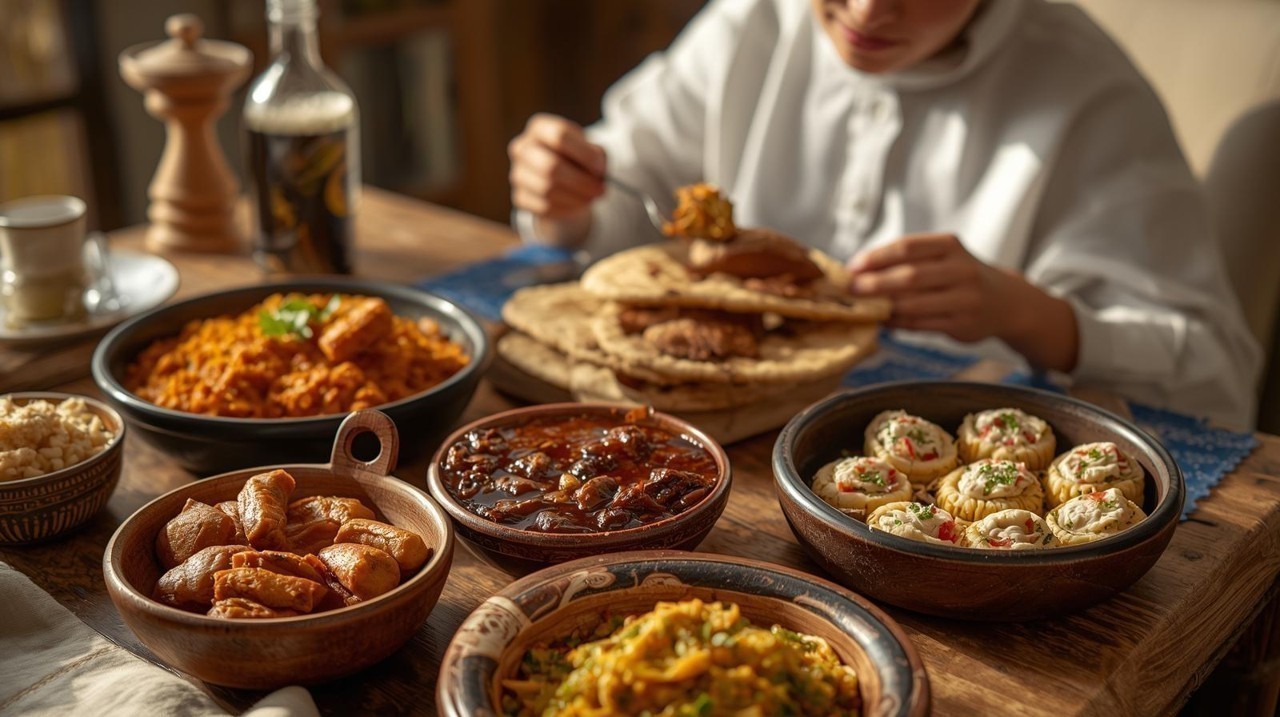
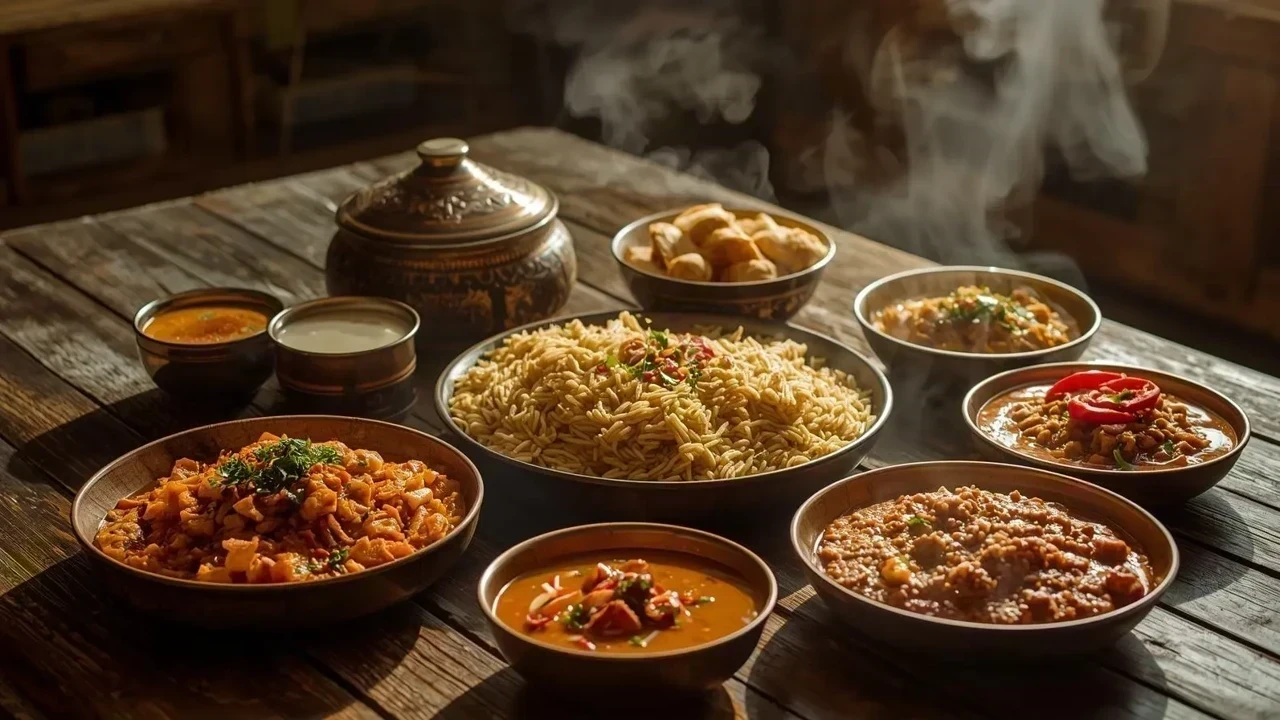
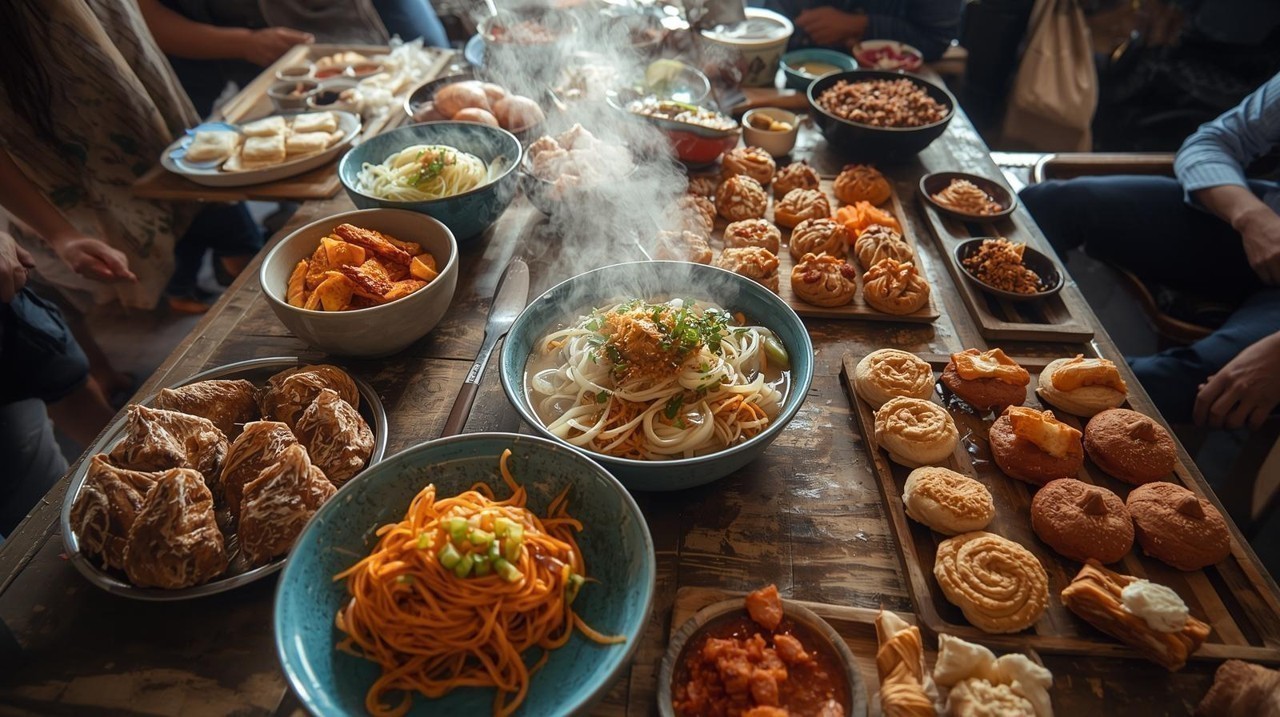
Ramadan in the UAE is not just a spiritual period but also a deeply cultural and social experience reflected strongly through food. Families gather daily for iftar, mosques and communities host large meals, and traditional dishes take centre stage on dining tables. Emirati Ramadan cuisine focuses on nourishment, balance, and sharing, with recipes passed down through generations. These dishes are designed to restore energy after long fasting hours while keeping digestion light and comforting.
Introduction
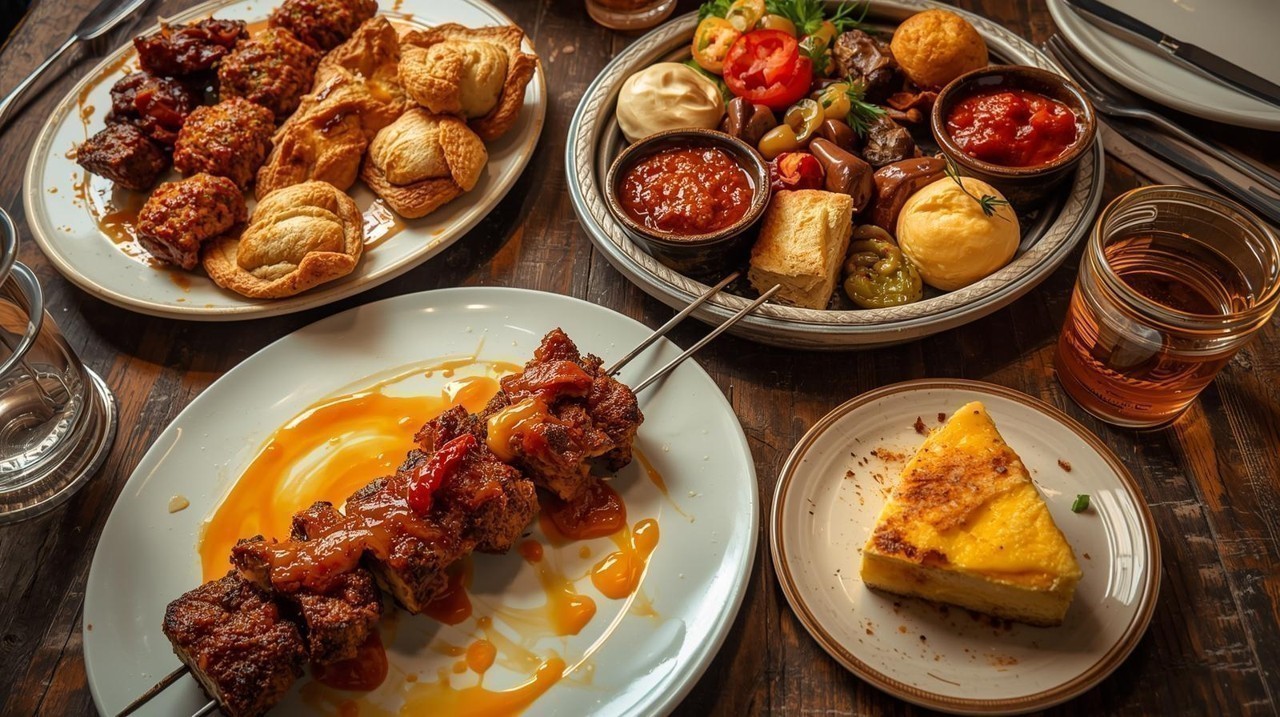
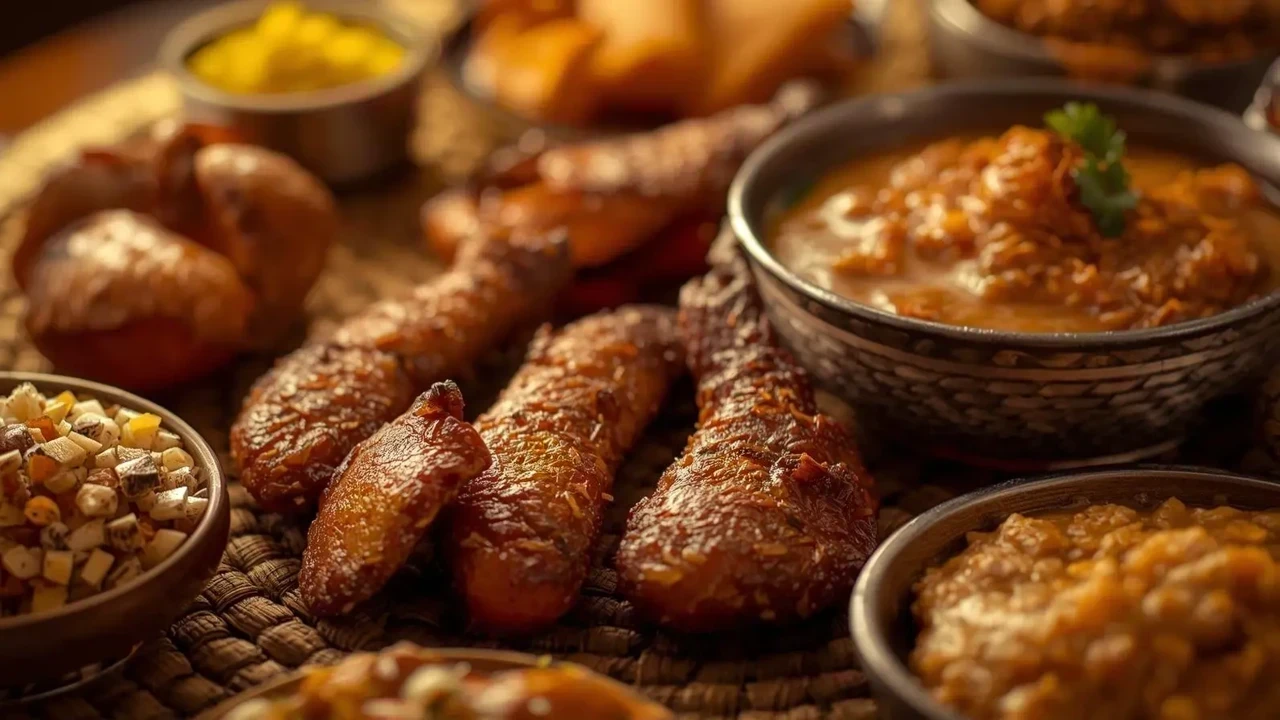
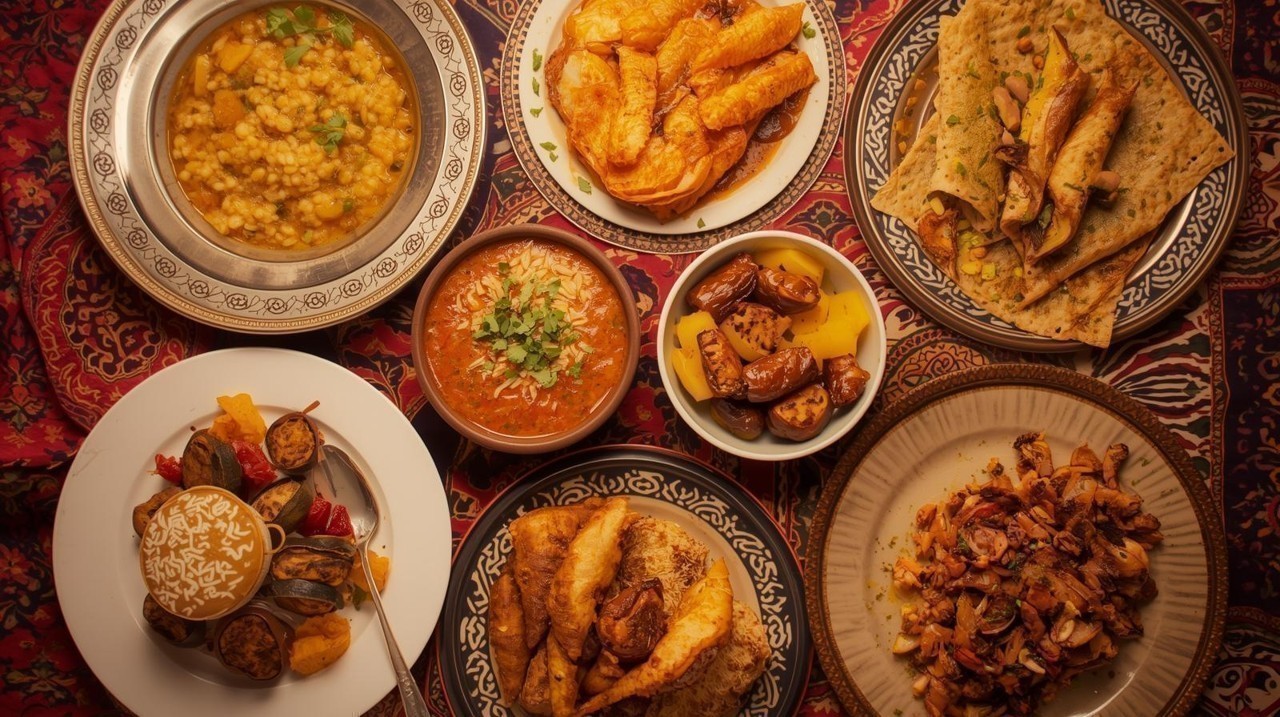
The most popular Ramadan dishes in the UAE represent a blend of Emirati heritage, Arab influences, and practical nutrition for fasting. From slow-cooked meats and fragrant rice to light soups and traditional sweets, Ramadan meals are carefully prepared to suit the body’s needs after sunset. This article explores the most loved Ramadan dishes across the UAE, explains their cultural importance, and provides simple home-style recipes that reflect authentic flavours.
Harees – The Ultimate Ramadan Comfort Dish
Harees is one of the most iconic Ramadan dishes in the UAE and is often shared among neighbours.
Why Harees is special
• Soft, porridge-like texture
• Easy to digest after fasting
• Symbol of generosity and tradition
Basic Harees recipe
Ingredients
• Whole wheat
• Boneless chicken or meat
• Salt
• Water
• Ghee for serving
Method
• Soak wheat overnight
• Boil wheat and meat together until very soft
• Mash until smooth and creamy
• Add salt and drizzle ghee before serving
Harees is commonly prepared in large quantities and distributed during Ramadan.
Thareed – Traditional Emirati Bread Stew
Thareed is a classic Emirati dish combining bread, vegetables, and meat.
Cultural importance
• Often called the “Ramadan favourite”
• Nutritious and filling
• Deeply rooted in Bedouin food culture
Simple Thareed recipe
Ingredients
• Thin Emirati bread
• Lamb or chicken
• Potatoes, carrots, pumpkin
• Tomatoes
• Spices like turmeric and cinnamon
Method
• Cook meat with spices and vegetables
• Simmer into a rich stew
• Layer bread in a dish and pour stew over it
Thareed is soft, flavourful, and ideal for iftar meals.
Lentil Soup – A Light Iftar Starter
Lentil soup is widely consumed across the UAE during Ramadan.
Why it’s popular
• Gentle on the stomach
• Rich in protein and fibre
• Quick to prepare
Basic lentil soup recipe
Ingredients
• Red lentils
• Onion and garlic
• Cumin
• Vegetable or chicken stock
Method
• Sauté onion and garlic
• Add lentils and stock
• Simmer until soft
• Blend lightly and season
It is often served with dates and water at iftar.
Chicken Machboos – Fragrant Rice Dish
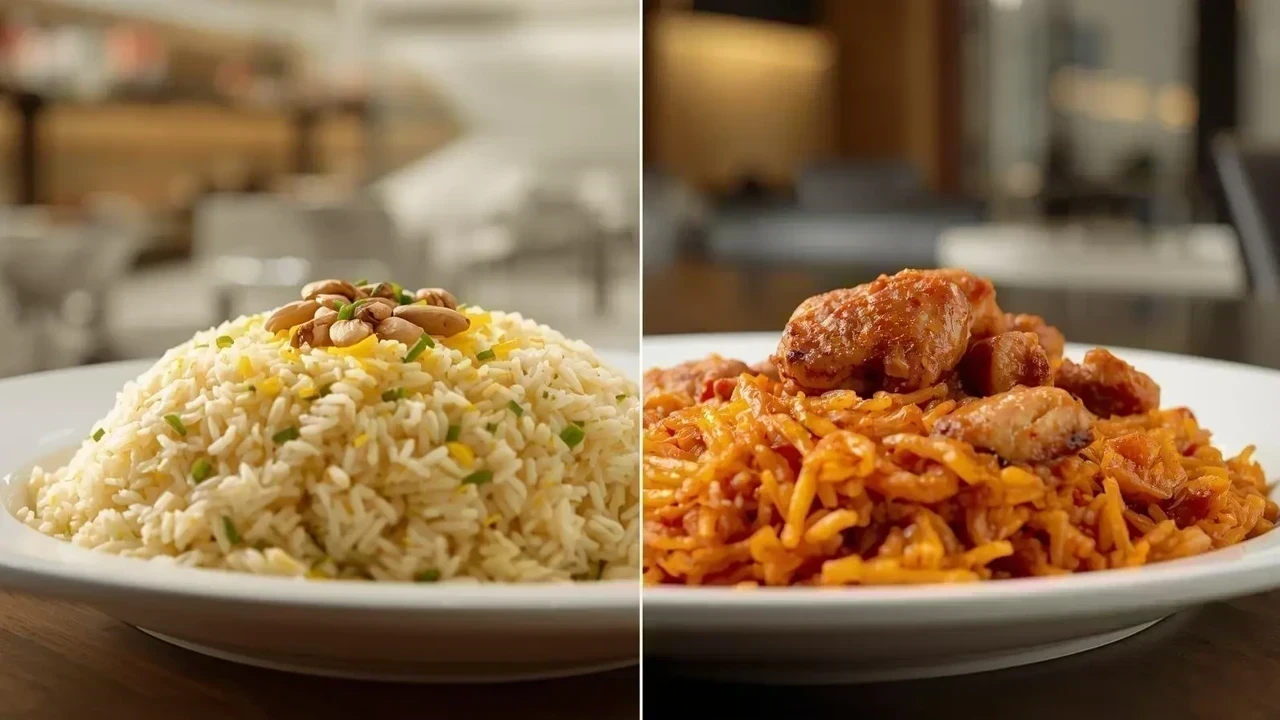
Machboos is a staple rice dish enjoyed during special Ramadan evenings.
What makes it special
• Aromatic spices
• Slow-cooked flavour
• Balanced meal in one plate
Machboos recipe overview
Ingredients
• Basmati rice
• Chicken
• Tomatoes
• Dried lemon
• Mixed spices
Method
• Cook chicken with spices and tomatoes
• Use stock to cook rice
• Combine and steam gently
Machboos is filling yet comforting after fasting.
Samboosa – Crispy Iftar Snack
Samboosas are a must-have Ramadan snack in the UAE.
Why they’re loved
• Crispy texture
• Easy finger food
• Variety of fillings
Simple samboosa recipe
Ingredients
• Samboosa sheets
• Minced meat or vegetables
• Onion and spices
Method
• Prepare filling
• Fill and fold sheets
• Fry until golden
They are best enjoyed fresh during iftar.
Luqaimat – Classic Emirati Sweet
Luqaimat is the most popular Ramadan dessert in the UAE.
Cultural value
• Symbol of celebration
• Served in homes and mosques
• Loved by all age groups
Luqaimat recipe
Ingredients
• Flour
• Yeast
• Sugar
• Milk
• Saffron
• Date syrup
Method
• Prepare soft dough
• Fry small balls until golden
• Drizzle with date syrup
Luqaimat is often served after taraweeh prayers.
Jareesh – Traditional Wheat Dish
Jareesh is another traditional dish served during Ramadan.
Why it stands out
• Nutritious whole wheat base
• Slow-cooked texture
• Comfort food
Basic jareesh preparation
• Crushed wheat cooked with meat
• Seasoned lightly
• Served soft and warm
It is especially popular among older generations.
Dates and Arabic Coffee – The Iftar Essential
No Ramadan meal in the UAE begins without dates.
Why dates are essential
• Natural energy boost
• Sunnah practice
• Rich in nutrients
Arabic coffee is served alongside, symbolising hospitality and respect.
Stuffed Vegetables – A Ramadan Favourite
Stuffed zucchini and peppers are commonly prepared for iftar.
Why they are popular
• Balanced meal option
• Rich in flavour
• Family-style dish
They are cooked slowly in tomato-based sauces.
Importance of Balanced Ramadan Meals
Ramadan dishes in the UAE focus on balance.
Key principles
• Moderate portions
• Hydration-friendly foods
• Nutrient-rich ingredients
This helps maintain energy levels throughout fasting hours.
Home Cooking During Ramadan
Many families prefer home-cooked meals during Ramadan.
Benefits
• Healthier options
• Cultural continuity
• Family bonding
Traditional recipes strengthen emotional connections.
Modern Adaptations of Traditional Dishes
While traditions remain strong, modern kitchens adapt recipes.
Common adaptations
• Reduced oil usage
• Air-fried snacks
• Lighter desserts
These changes maintain flavour while improving health.
Why Ramadan Food Holds Emotional Value
Ramadan dishes are deeply tied to memories and togetherness.
Emotional aspects
• Shared meals
• Community bonding
• Acts of charity
Food becomes a form of spiritual expression.
Conclusion
The most popular Ramadan dishes in the UAE reflect a perfect blend of tradition, nutrition, and community spirit. From hearty harees and flavourful thareed to crispy samboosas and sweet luqaimat, these dishes define the Ramadan dining experience across Emirati homes. Preparing these recipes at home not only brings authentic flavours to the table but also preserves cultural traditions that continue to unite families during the holy month.
Disclaimer
This article is intended for informational purposes only. Recipes and preparation methods may vary across households and regions. Dietary requirements, allergies, and health considerations should be taken into account before preparing or consuming any dish.