Health officials and aid groups are raising alarms about the numerous obstacles facing the Ebola response in eastern Democratic Republic of the Congo, which stem from inadequate healthcare systems, public skepticism, armed unrest, and escalating insecurity in the affected areas. These issues are hampering control measures and stoking fears of a wider spread of the deadly virus.
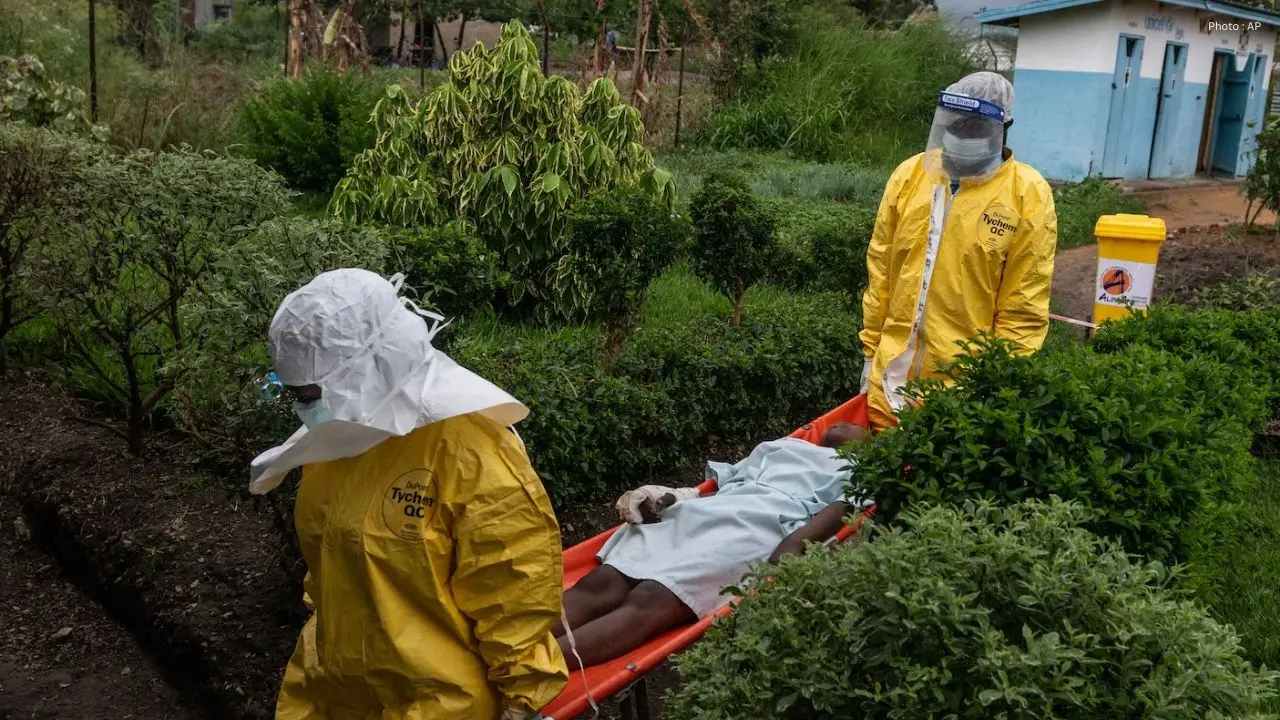
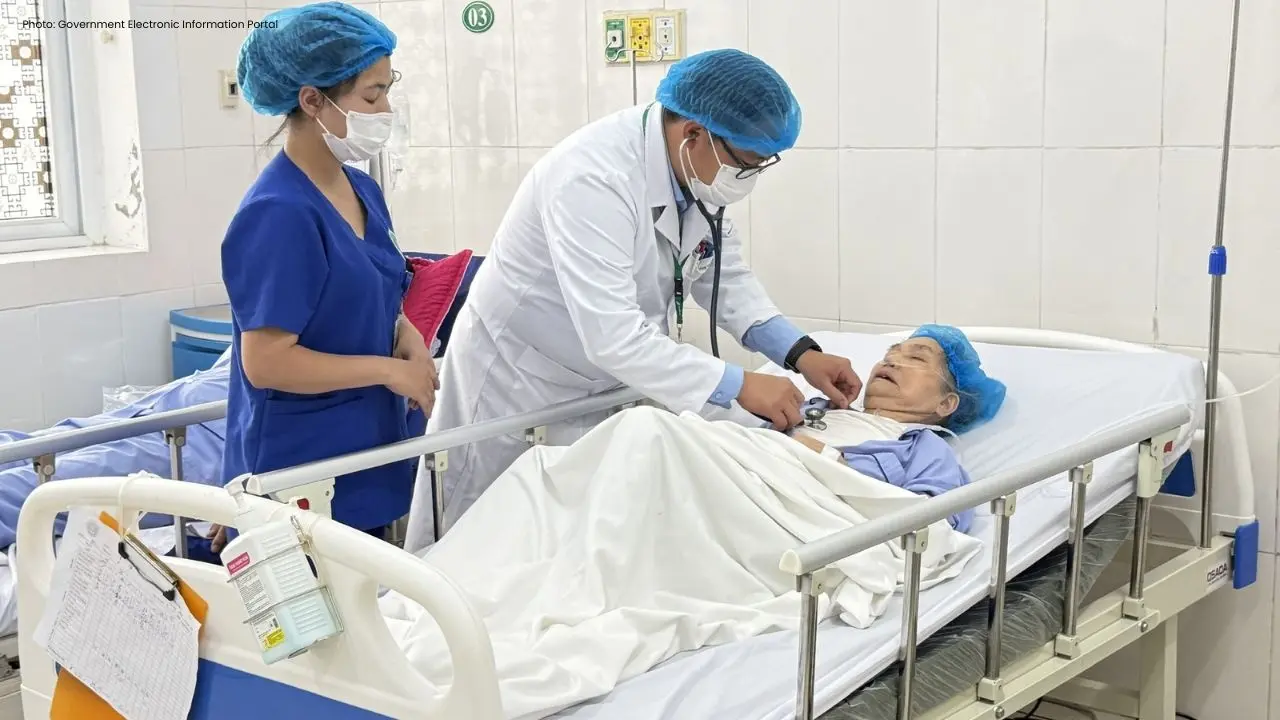
The latest outbreak is primarily localized in eastern DR Congo, where years of conflict and poverty have ravaged healthcare infrastructure. Many rural health facilities are devoid of essential medical supplies, qualified healthcare personnel, proper isolation facilities, and dependable transport networks. Humanitarian organizations report that some clinics are overwhelmed as they cope with an influx of suspected Ebola cases.
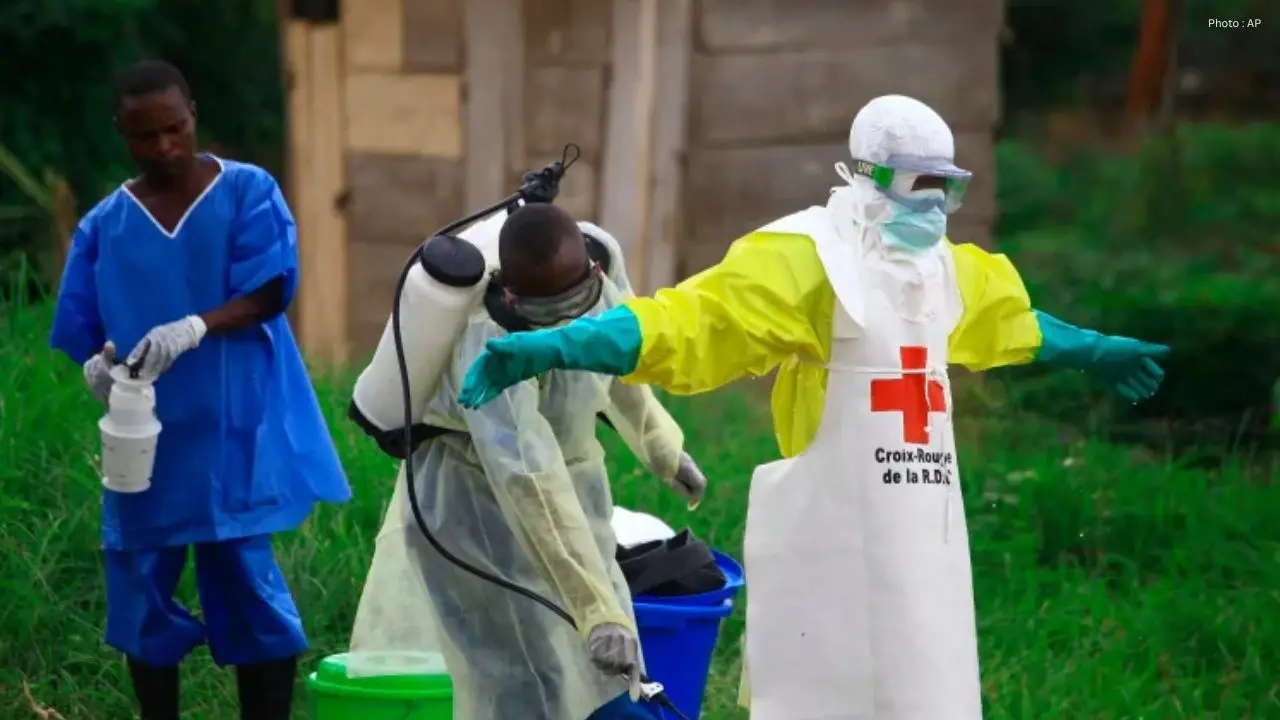
According to medical teams operating in the area, ongoing insecurity poses a critical barrier to containing the outbreak. Armed groups are active in numerous regions, rendering it perilous for healthcare workers to transit securely between communities. Reports suggest that treatment centers and medical teams have endured assaults, threats, or forced relocations due to violence.
Public mistrust is emerging as a significant challenge for health authorities. Many locals exhibit skepticism toward government entities and international aid organizations due to historical political conflicts, misinformation, and fears linked with Ebola treatment efforts. Health workers indicate that false narratives regarding the virus and vaccines have led some families to conceal sick relatives or seek no medical intervention at all.
The World Health Organization and various humanitarian groups caution that the delay in reporting cases hampers contact tracing and disrupts efforts to sever transmission paths. Experts emphasize that swift testing, isolation, and tracing of contacts are crucial during Ebola outbreaks, as the virus spreads through direct contact with infected bodily fluids.
Local healthcare professionals are also experiencing burnout after enduring challenging conditions over extended periods. Numerous hospitals and clinics are functioning with minimal staff, attempting to address Ebola cases while also managing other serious illnesses like malaria, cholera, and measles. Humanitarian entities assert that the healthcare framework in eastern Congo is under immense strain.
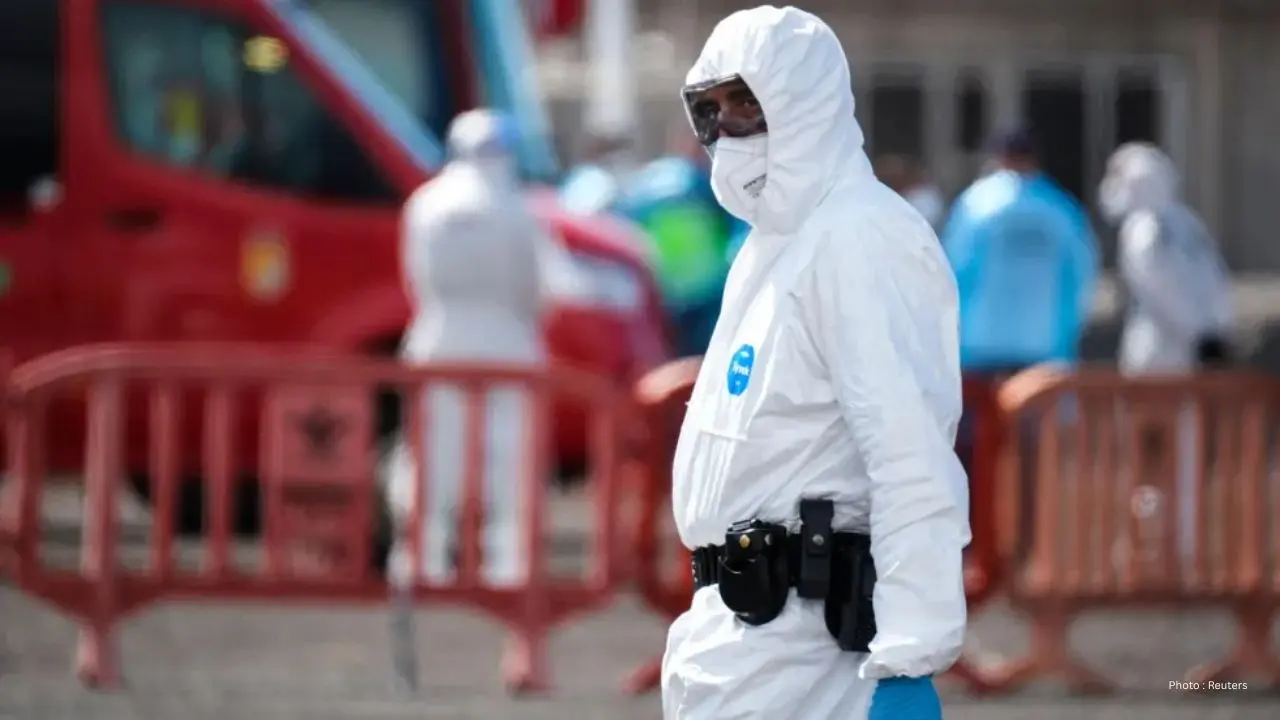
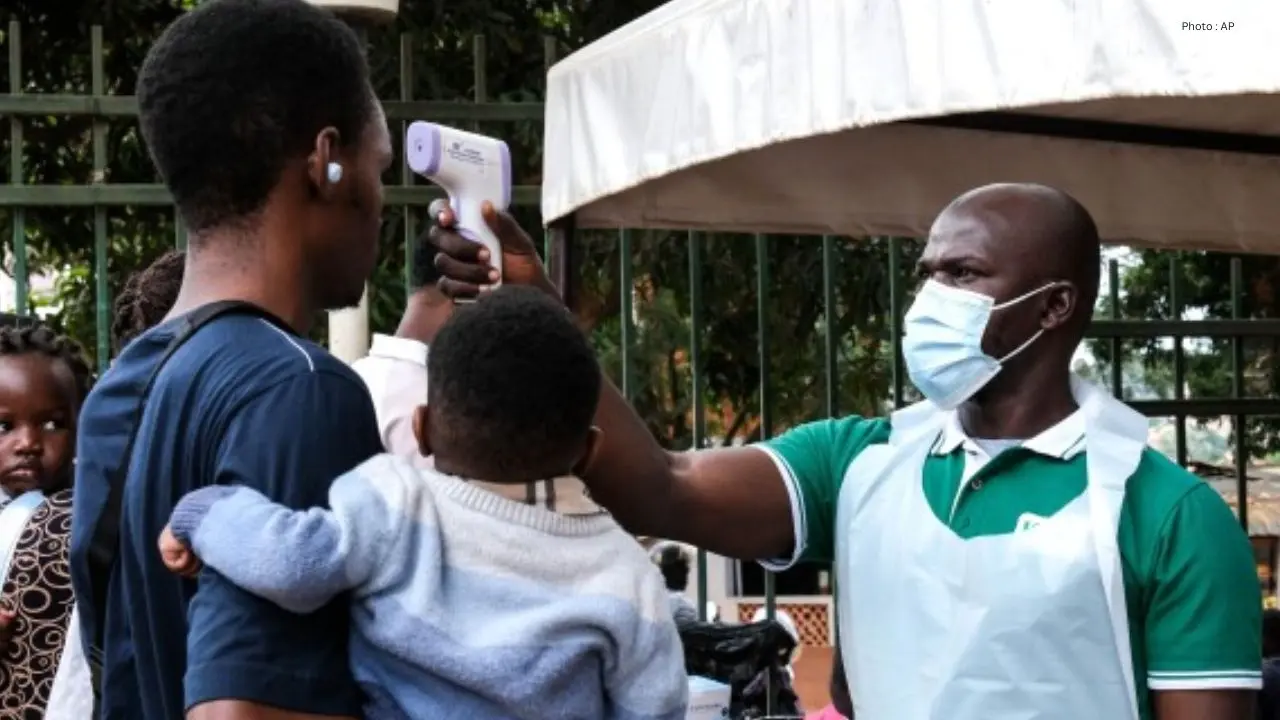
International assistance continues, with medical teams, protective equipment, vaccines, and emergency funding dispatched to aid in the outbreak response. Vaccination efforts are taking place in various high-risk communities, along with expanded border health screenings and public education initiatives aimed at minimizing the risk of a broader spread.
Nevertheless, experts caution that effective control of Ebola will be challenging unless security conditions improve and local communities foster greater trust in healthcare workers. Public health experts underscore that community engagement is vital, as fear and misinformation can swiftly undermine emergency response measures during outbreaks.
The Ebola virus remains one of the most lethal infectious diseases globally, capable of causing high fever, hemorrhaging, organ failure, and death if left untreated. Previous Ebola epidemics in DR Congo and West Africa have resulted in thousands of fatalities and significant international health crises.
Despite these continuing hurdles, health authorities affirm that emergency teams are steadfast in their commitment to containing the outbreak and preventing further infections. International organizations have called for enhanced global backing for Congo’s healthcare infrastructure, emphasizing that sustained investment in medical facilities, training, and public health systems will be essential for improving future outbreak responses.