HMPV Cases Rise Globally: What the Latest Respiratory Virus Concerns Mean
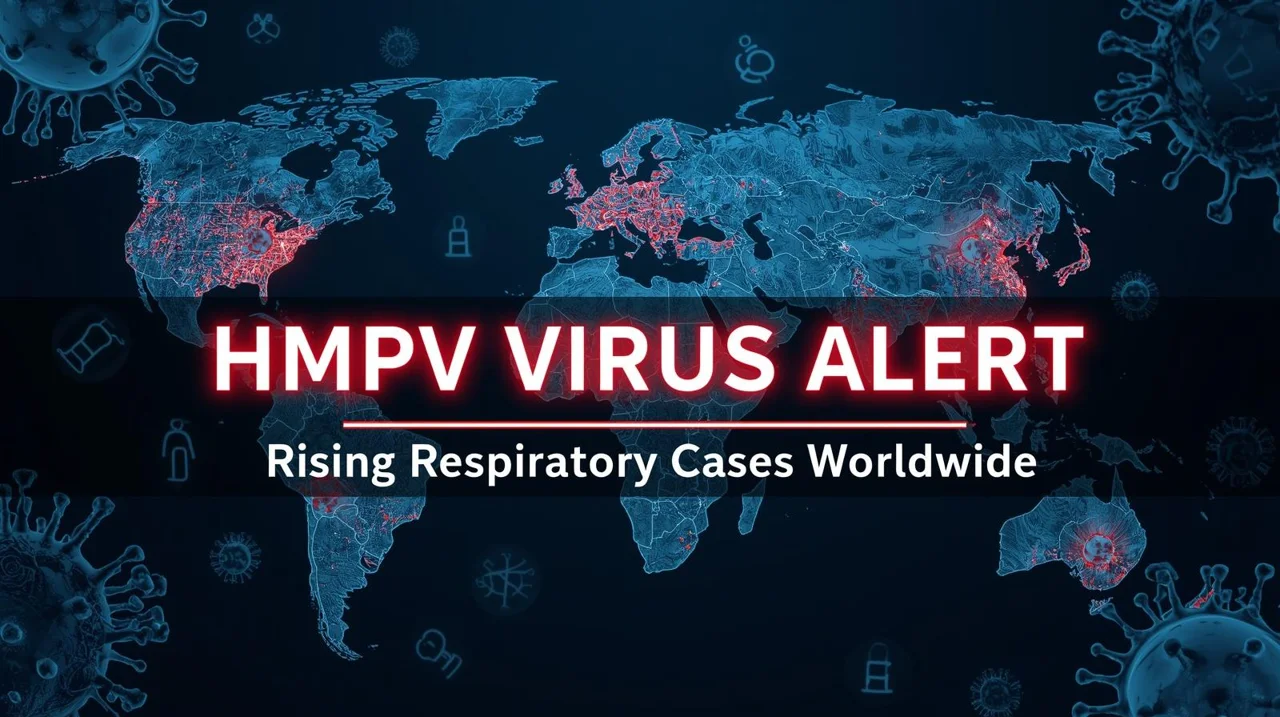
In 2026, global health monitoring systems are closely tracking a rise in cases linked to Human Metapneumovirus (HMPV). While not a new virus, recent increases in infections across several regions have drawn attention from health authorities and raised concerns about seasonal outbreaks and healthcare preparedness.
Unlike major pandemics, HMPV typically spreads quietly, but spikes in cases can still place pressure on healthcare systems, especially during peak respiratory illness seasons.
What Is Human Metapneumovirus (HMPV)?
Human Metapneumovirus is a respiratory virus that affects the lungs and airways. It was first identified in the early 2000s and belongs to the same family as respiratory syncytial virus (RSV).
The virus commonly spreads through respiratory droplets when an infected person coughs or sneezes, as well as through close contact or contaminated surfaces. Most people are exposed to HMPV at some point in their lives, often during childhood.
Why Are Cases Rising Now?
Seasonal Patterns
HMPV tends to circulate more during late winter and early spring, similar to other respiratory viruses. The current rise aligns with expected seasonal trends in many regions.
Post-Pandemic Immunity Gap
After years of reduced exposure to common viruses due to pandemic restrictions, many populations now have lower natural immunity, leading to increased susceptibility.
Improved Detection and Reporting
Healthcare systems are now better equipped to identify and report respiratory infections, making case numbers appear higher compared to previous years.
Increased Global Mobility
Higher travel activity has contributed to faster spread across regions.
Symptoms and Health Impact
HMPV symptoms can range from mild to severe, depending on age and health condition.
Common symptoms include:
- Cough and nasal congestion
- Fever and sore throat
- Shortness of breath
- Fatigue and body aches
In most healthy adults, symptoms are mild and similar to a common cold. However, infants, older adults, and individuals with weakened immune systems may experience more serious complications, including bronchitis or pneumonia.
Regions Monitoring the Situation
Health authorities in parts of Asia, Europe, and North America have reported seasonal increases in respiratory illnesses, including HMPV.
Countries such as India and United States are enhancing surveillance systems to track infection trends and ensure healthcare readiness.
How It Compares to Past Global Health Threats
Unlike COVID-19, HMPV is not considered a novel or highly disruptive global threat. It does not spread as rapidly on a global scale, and severe outcomes are generally limited to vulnerable populations.
However, it remains significant because:
- It contributes to seasonal respiratory illness burden
- It can strain hospitals during peak periods
- It affects high-risk groups more seriously
Current Medical Response and Preparedness
Monitoring and Surveillance
Public health agencies are tracking case trends to detect unusual spikes early.
Supportive Treatment
There is currently no specific antiviral treatment for HMPV. Care typically focuses on relieving symptoms and supporting recovery.
Hospital Preparedness
Healthcare systems are preparing for increased patient loads, especially in pediatric and elderly care units.
Research and Awareness
Ongoing studies aim to better understand the virus and develop potential vaccines in the future.
Potential Impact on Public Health Systems
While HMPV is generally manageable, a surge in cases can have broader effects:
- Increased hospital admissions during peak seasons
- Pressure on healthcare workers and facilities
- Overlap with other respiratory illnesses like influenza
This makes early detection and efficient healthcare management important.
What This Means for the Public
For most individuals, HMPV does not pose a severe risk, but awareness is important, especially for families with young children or elderly members.
Basic preventive measures like maintaining hygiene, avoiding close contact with sick individuals, and seeking medical attention when symptoms worsen can help reduce spread and complications.
Future Outlook
Health experts expect HMPV to continue as a seasonal respiratory virus rather than a global emergency. With improved surveillance and healthcare preparedness, the impact can be managed effectively.
Ongoing research may lead to better treatments or preventive measures in the coming years.
Final Thoughts
The recent rise in Human Metapneumovirus cases highlights the importance of monitoring even familiar viruses. While not a cause for major alarm, it serves as a reminder that global health systems must remain alert and prepared for evolving health challenges.
Disclaimer
This article is for informational purposes only and does not constitute medical advice. Health conditions and outbreaks can change, and readers should consult healthcare professionals or official health authorities for accurate guidance.