Hair Fall That Doesn’t Respond to Oils or Serums? Check This First
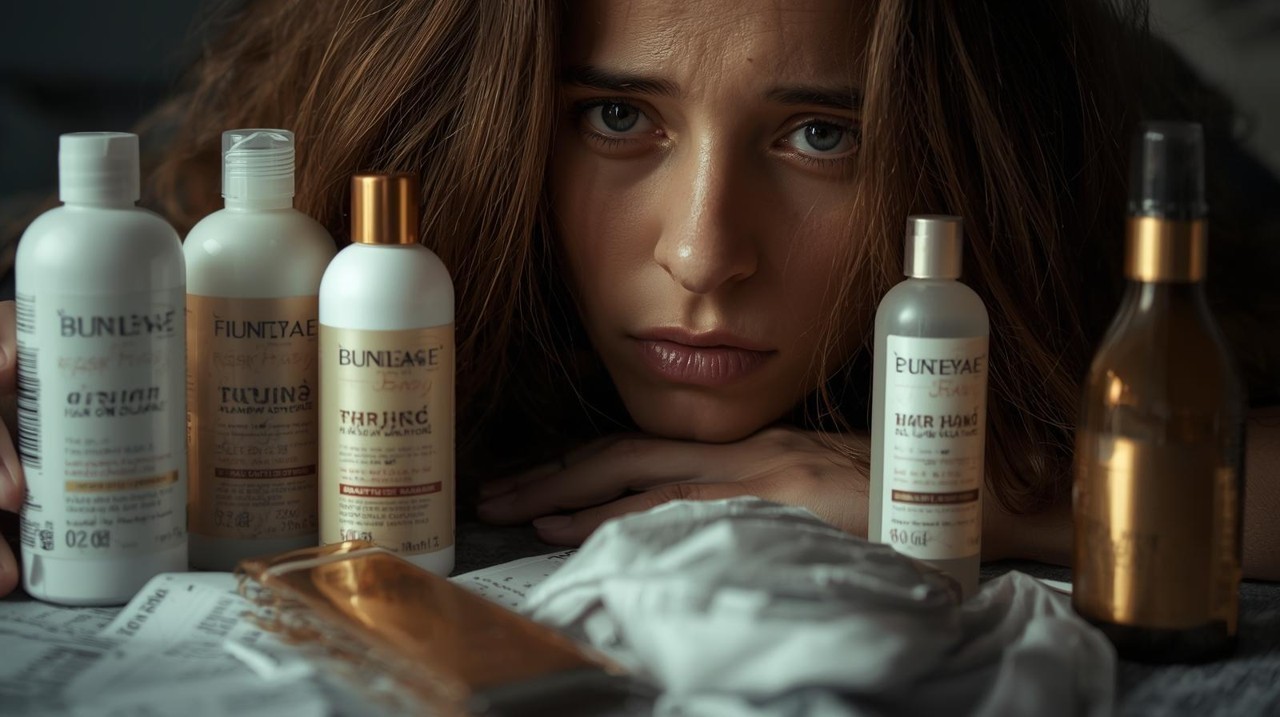
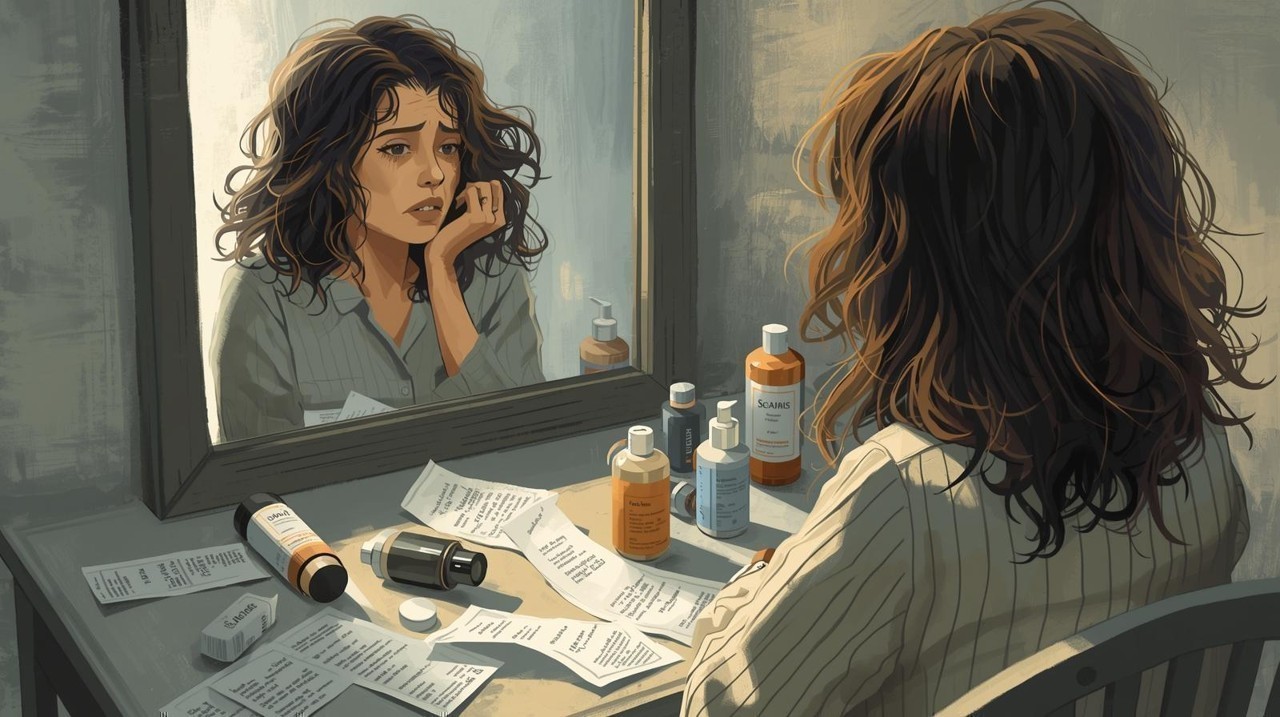
If you have been applying oils, serums, masks, and treatments consistently—but hair fall refuses to slow down—the problem is likely not your products. In 2026, one of the most common hair concerns is treatment-resistant hair fall, where topical solutions show little or no improvement.
This type of hair fall is frustrating because it creates the illusion that nothing works. In reality, the issue usually lies beneath the scalp, inside the body, or within daily lifestyle patterns. Oils and serums can support hair, but they cannot fix internal imbalances.
This guide explains why hair fall sometimes ignores external care, what you should check first, and how to correct the root causes before spending more money on products.
Why Oils and Serums Often Fail to Stop Hair Fall
Hair oils and serums work on the surface level.
What topical products can actually do
-
Improve scalp lubrication
-
Reduce dryness and breakage
-
Add shine and smoothness
-
Improve blood flow temporarily through massage
What they cannot do
-
Correct nutrient deficiencies
-
Balance hormones
-
Reduce chronic stress impact
-
Fix gut absorption issues
-
Reverse internal inflammation
If hair fall continues despite good scalp care, the cause is almost always systemic, not cosmetic.
Step One: Identify the Type of Hair Fall You Have
Before fixing hair fall, you must understand what kind of hair loss you are dealing with.
Telogen effluvium
This is the most common cause of sudden hair fall today. It happens when stress, illness, crash dieting, or hormonal changes push hair into the shedding phase.
Key signs:
-
Sudden excessive shedding
-
Hair falling from roots
-
Thinning all over the scalp
-
Often starts 2–3 months after a trigger
Oils alone cannot stop this.
Nutritional deficiency-related hair fall
Hair becomes weak due to lack of essential nutrients.
Signs include:
-
Hair thinning with slow regrowth
-
Brittle strands
-
Increased breakage
-
Fatigue or weakness alongside hair fall
Hormonal hair fall
Hormonal imbalances affect follicle health.
Common triggers:
-
Thyroid imbalance
-
PCOS
-
Insulin resistance
-
Post-pregnancy changes
Topical treatments have very limited effect here.
Genetic hair thinning
Patterned hair loss often needs medical guidance. Oils may improve scalp health but will not stop progression alone.
The Most Overlooked Cause: Chronic Stress
Stress is the number one reason hair fall does not respond to oils or serums.
How stress damages hair follicles
-
Elevates cortisol levels
-
Reduces blood supply to scalp
-
Pushes hair prematurely into shedding phase
-
Slows new hair growth
Even the best hair products fail when cortisol remains high.
Why stress-related hair fall feels confusing
Hair fall starts weeks or months after stress, so people miss the connection.
Diet Looks Fine—But Is It Really Supporting Hair?
Many people believe they eat “normally” but still lack hair-supporting nutrition.
Protein deficiency is extremely common
Hair is made of keratin, a protein. Low protein intake leads to:
-
Thin hair strands
-
Slow regrowth
-
Increased shedding
Vegetarian or irregular diets are common risk factors.
Iron and B12 deficiency
These affect oxygen delivery and follicle energy.
Symptoms may include:
-
Excessive shedding
-
Dizziness or fatigue
-
Pale skin
Hair oils cannot compensate for these deficiencies.
Poor nutrient absorption
Even a good diet fails if:
-
Gut health is weak
-
Digestion is slow
-
Meals are inconsistent
This is why supplements sometimes fail too.
Blood Sugar Imbalance and Hair Fall
Frequent sugar spikes affect hair growth more than most people realize.
How unstable blood sugar harms hair
-
Increases inflammation
-
Disrupts hormones
-
Weakens hair roots
Skipping meals and relying on refined carbs worsens shedding.
Sleep Quality: The Silent Hair Growth Controller
Hair repair happens at night.
Why poor sleep blocks regrowth
-
Reduced melatonin production
-
Increased stress hormones
-
Poor overnight recovery
Late-night screen use directly affects hair health.
Excessive Screen Time and Hair Fall
Digital lifestyles create constant nervous system stimulation.
Screen-related hair fall happens through
-
Increased mental stress
-
Reduced physical activity
-
Poor posture affecting scalp circulation
-
Disrupted sleep cycles
Oils cannot counteract these effects.
Scalp Issues That Products Can’t Fix Alone
Some scalp conditions need medical or internal correction.
Common hidden scalp problems
-
Chronic dandruff or fungal infections
-
Inflammation around follicles
-
Excess sebum blocking follicles
Serums may temporarily improve appearance but not eliminate the cause.
Overuse of Hair Products Can Backfire
Using too many products can worsen hair fall.
Signs of product overload
-
Greasy scalp
-
Itching or irritation
-
Increased shedding after application
-
Buildup on scalp
Hair needs balance, not excess treatment.
What You Should Check Before Changing Products Again
Get basic health markers checked
-
Iron levels
-
Vitamin B12
-
Vitamin D
-
Thyroid profile
Many people see improvement once deficiencies are corrected.
Review stress levels honestly
Daily stress matters more than occasional stress.
Assess diet consistency
Hair responds to weeks of consistency, not occasional healthy meals.
Evaluate sleep routine
Quality sleep is non-negotiable for hair recovery.
How to Actually Fix Hair Fall That Doesn’t Respond to Products
Focus on internal correction first
-
Balanced meals with protein
-
Adequate hydration
-
Reduced sugar intake
-
Improved gut health
Manage stress intentionally
-
Short walks
-
Breathing exercises
-
Digital breaks
Lower cortisol directly improves hair retention.
Simplify hair care
-
Gentle shampoo
-
Minimal heat styling
-
Light oil massage only if needed
More products do not equal better results.
Support scalp circulation
-
Gentle massage
-
Regular movement
-
Avoid tight hairstyles
Circulation supports follicle nourishment.
When Professional Help Is Necessary
Consult a dermatologist if:
-
Hair fall lasts more than 3–4 months
-
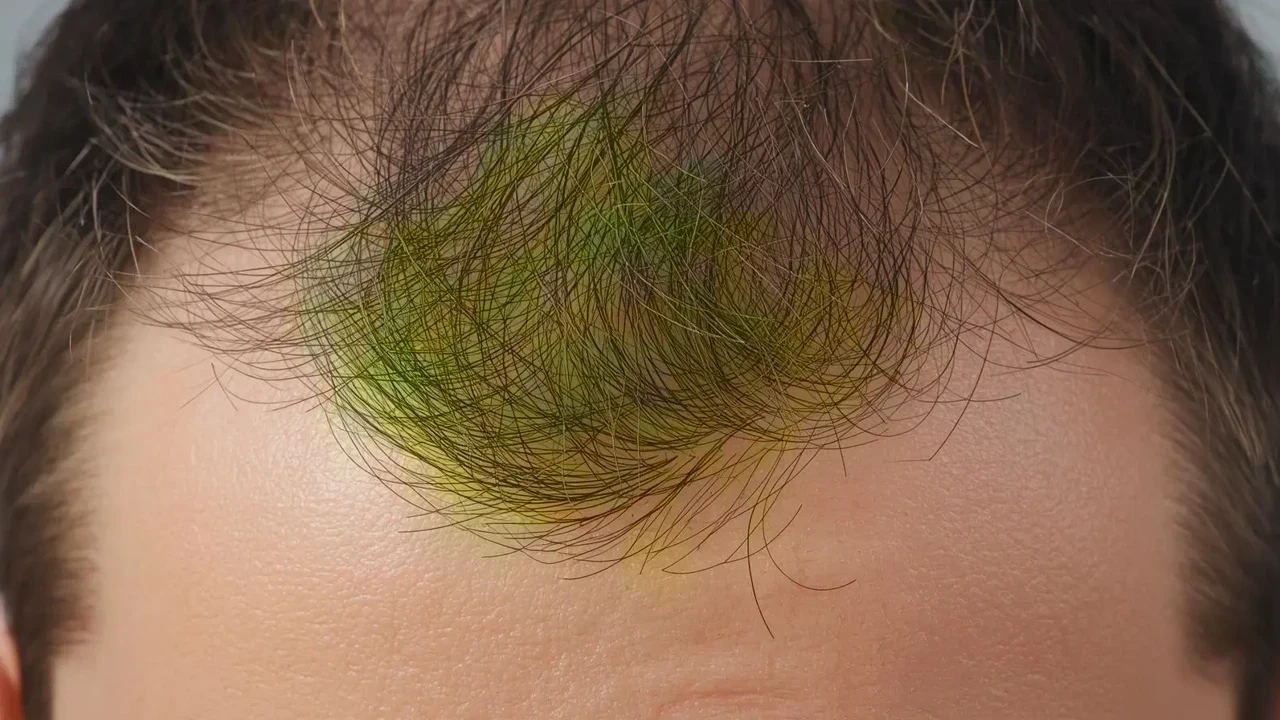
There is patchy hair loss
-
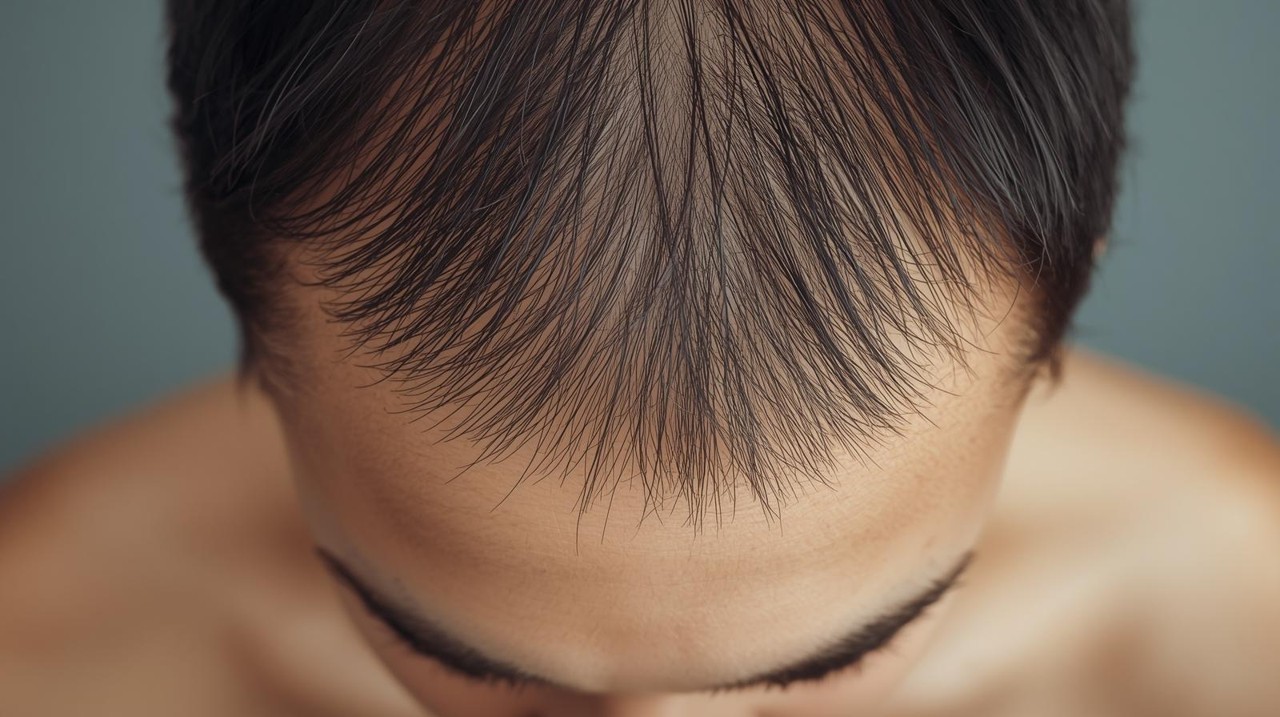
Hair density is visibly reducing
-
Hair fall worsens rapidly
Early diagnosis prevents long-term follicle damage.
Why Hair Fall Is a Health Signal, Not a Cosmetic Problem
Hair reacts faster than most body systems. When something is off—stress, nutrition, hormones—hair shows it early. Ignoring this signal and relying only on oils delays real recovery.
Final Perspective: Stop Treating the Surface First
If your hair fall doesn’t respond to oils or serums, that itself is the clue. The solution is not another product—it’s understanding what your body is missing or struggling with.
Once internal balance improves, external treatments finally start working.
Healthy hair always begins inside.
Disclaimer
This article is intended for general informational purposes only and does not replace professional medical or dermatological advice. Hair fall causes vary by individual due to health conditions, genetics, and lifestyle factors. For persistent or severe hair loss, consult a qualified healthcare or hair specialist for proper evaluation and treatment.