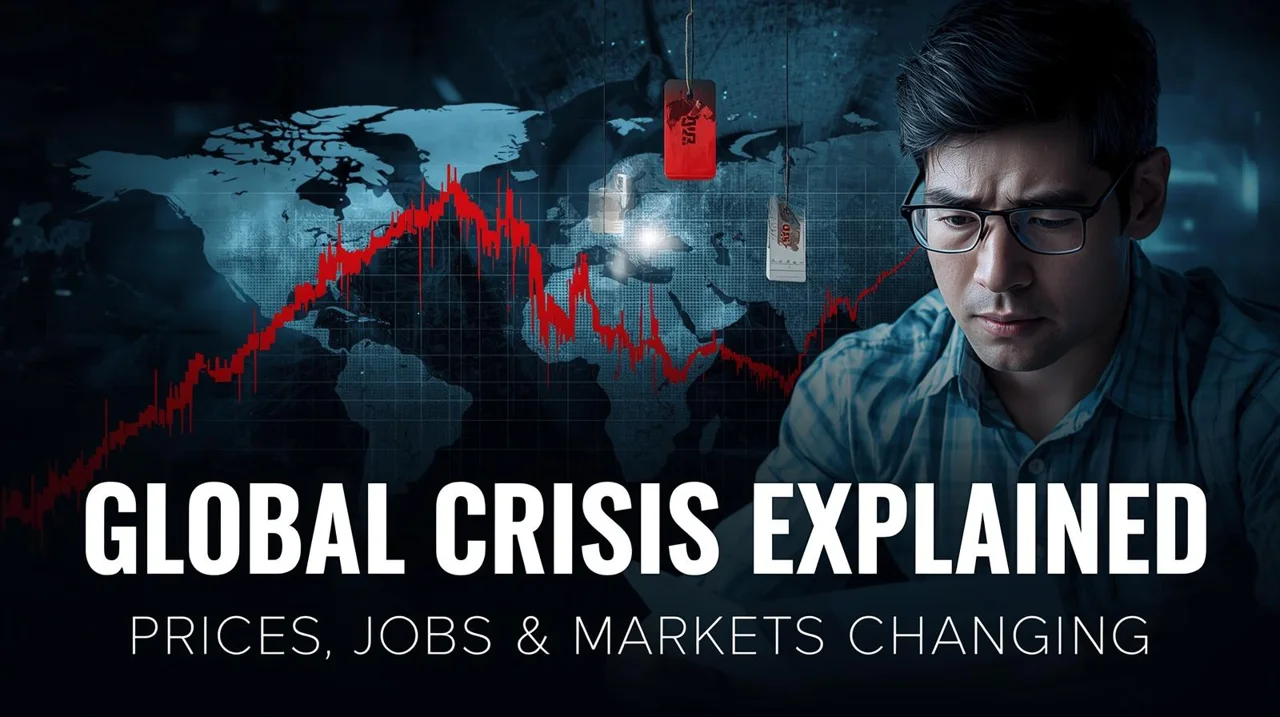
Global Crisis Explained: Why Prices, Jobs, and Markets Are All Changing
Across the world, people are noticing major changes in everyday life—prices are rising, job markets are shifting, and financial markets are becoming unstable. These changes are not isolated; they are all connected to a broader global situation.
What many are experiencing today is part of a global economic adjustment, where multiple factors are reshaping how economies function.
The key question is:
Why are prices, jobs, and markets all changing at the same time, and what does it mean for the future?
Why Prices Are Rising Worldwide
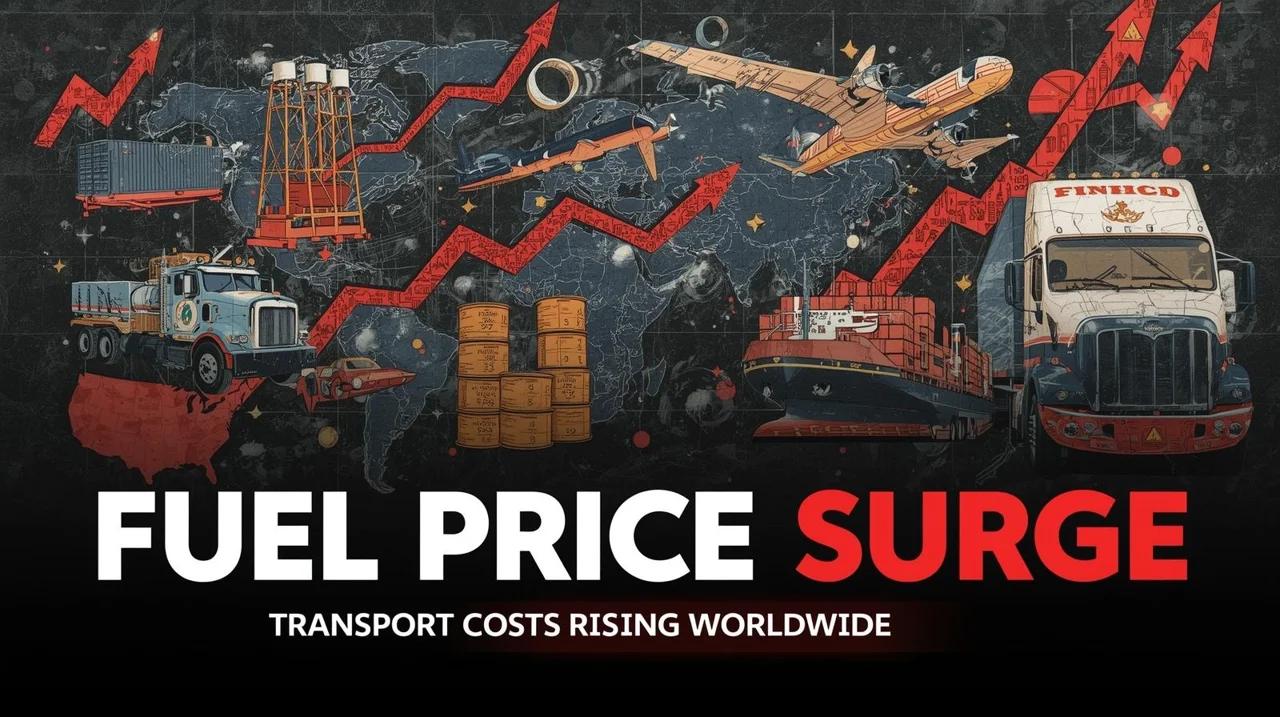
One of the most visible impacts of the global situation is rising prices.
Inflation increase – The cost of goods and services is going up across countries
Higher production costs – Energy, raw materials, and labor have become expensive
Supply disruptions – Limited availability of goods is pushing prices higher
Global demand pressure – Increased consumption is adding to price growth
These factors are making daily expenses higher for individuals and families.
Why Job Markets Are Changing Rapidly
The job market is undergoing a significant transformation.
Automation and AI adoption – Many routine jobs are being replaced or reduced
Shift toward skills – Employers are prioritizing practical skills over degrees
Remote work growth – Flexible work models are becoming common
New job roles – Emerging industries are creating different types of opportunities
This change is making it necessary for job seekers to adapt quickly.
What’s Happening in Financial Markets
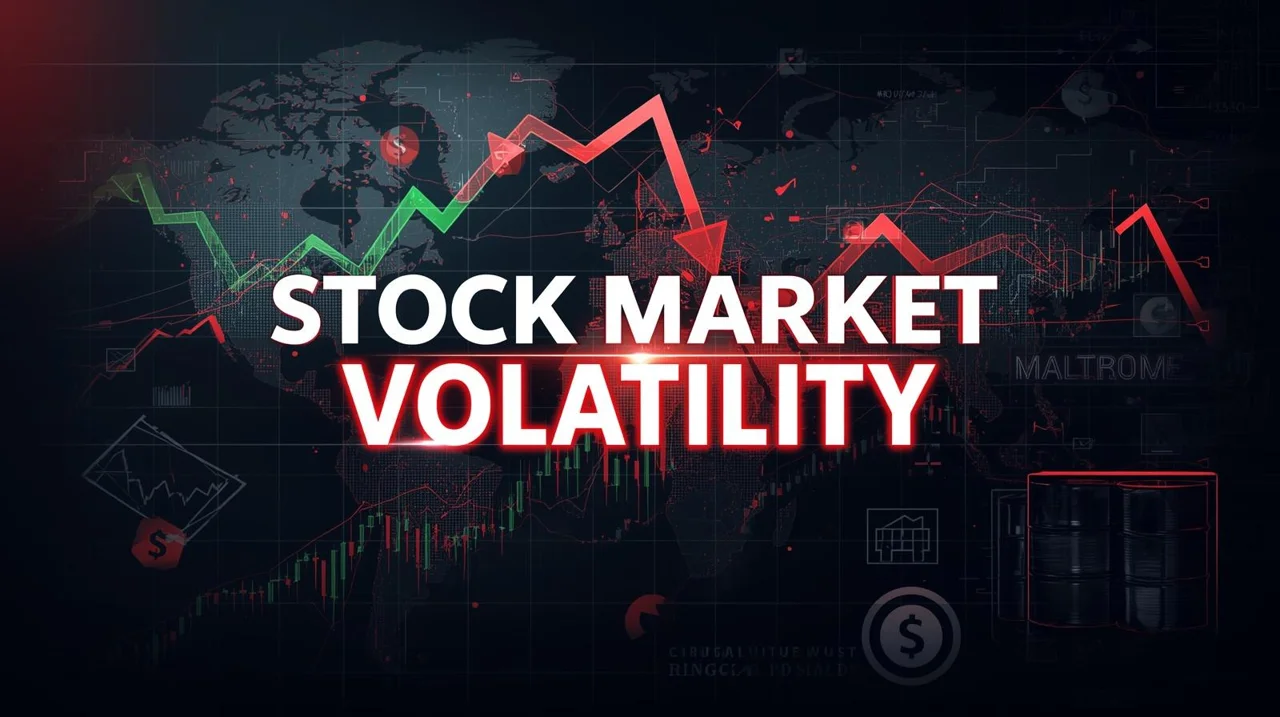
Financial markets are also reflecting uncertainty and change.
Market volatility – Prices of stocks and assets are fluctuating frequently
Investor caution – People are being more careful with investments
Economic uncertainty – Global events are influencing market performance
Shift in investment trends – Focus is moving toward safer or alternative assets
These changes affect both large investors and everyday individuals.
How These Changes Are Connected
Prices, jobs, and markets are not separate—they influence each other.
Rising costs reduce consumer spending, affecting businesses
Job uncertainty impacts income and purchasing power
Market instability influences investment and economic confidence
This creates a cycle where one factor affects the others, leading to broader economic changes.
Impact on Daily Life
The global situation is directly affecting people’s everyday lives.
Higher living costs – Expenses for essentials are increasing
Job uncertainty – Career stability is becoming less predictable
Financial pressure – Savings and investments are affected
Lifestyle changes – People are adjusting spending habits
Understanding these impacts helps individuals prepare better.
How Governments and Businesses Are Responding
Efforts are being made to manage the situation.
Policy changes – Governments are adjusting economic strategies
Interest rate control – Measures to manage inflation
Business restructuring – Companies are optimizing operations
Investment in technology – Improving efficiency and productivity
These actions aim to stabilize the economy over time.
What Individuals Can Do to Adapt
While global changes are beyond individual control, adaptation is possible.
Focus on skill development – Learn skills that are in demand
Manage finances carefully – Plan spending and saving wisely
Stay informed – Understanding trends helps in decision-making
Explore new opportunities – Be open to different career paths
Taking proactive steps can help reduce the impact of these changes.
Future Outlook
The global situation is expected to evolve over time.
Economic conditions may stabilize as supply chains improve and policies take effect.
However, long-term changes in jobs and markets are likely to continue.
Adaptability and awareness will remain important in navigating the future.
Conclusion
The current global situation is reshaping prices, jobs, and financial markets simultaneously.
These changes are interconnected and reflect a larger economic shift rather than isolated events.
The key takeaway is simple:
Understanding the changes and adapting early is the best way to stay stable in uncertain times.
Disclaimer
This article is for informational purposes only. Economic conditions may change over time. Readers should make decisions based on their personal financial situation and current developments.