Export Orders Decline in Manufacturing Hubs – Trade Outlook Weakens
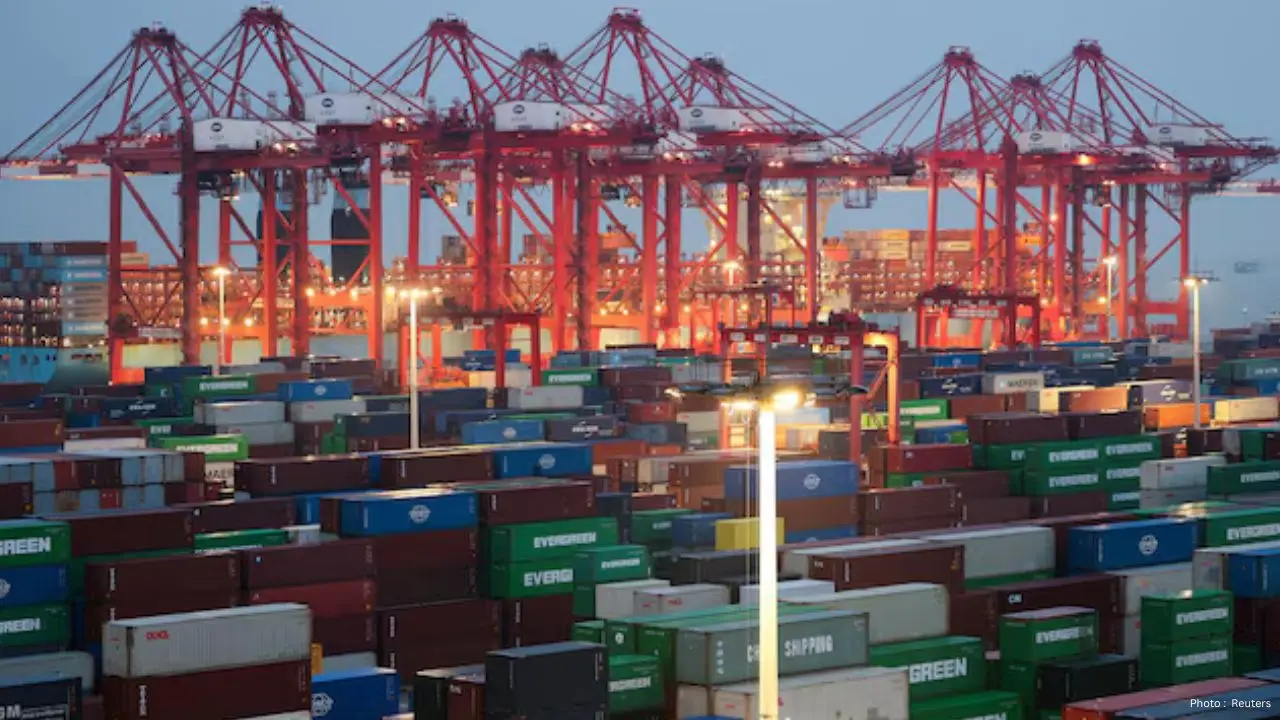
A noticeable slowdown is emerging in global trade as export orders decline across major manufacturing hubs. This trend is raising concerns about weakening demand, slower industrial activity, and broader economic impact.
Manufacturing hubs play a critical role in global supply chains, and any decline in export orders can affect not just industries but also employment and economic growth.
The key question is:
What is causing this decline, and how will it impact global trade and businesses?
Why Export Orders Are Declining
The drop in export orders is driven by several interconnected factors.
One of the main reasons is weak global demand. As economies face uncertainty, businesses and consumers are reducing spending, leading to fewer international orders.
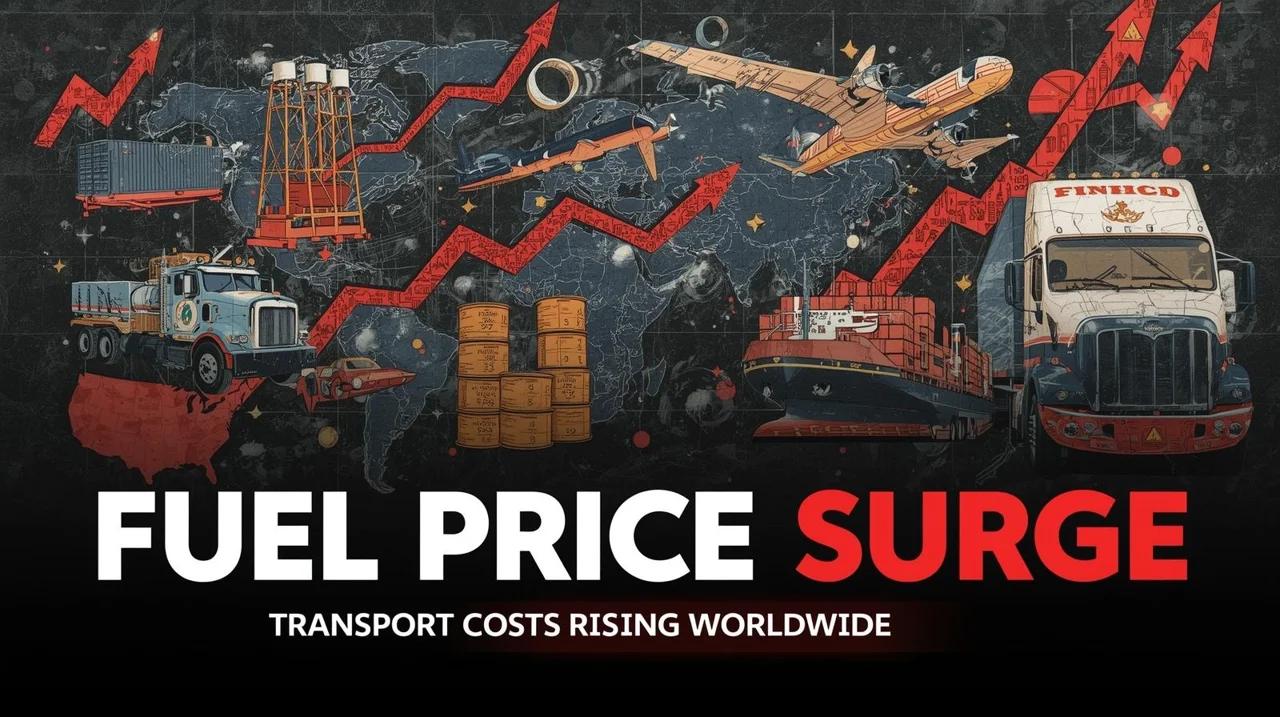
Another major factor is high inflation and rising costs. When production and transportation costs increase, goods become more expensive, reducing demand in international markets.
Geopolitical tensions are also playing a role. Trade restrictions, policy changes, and conflicts are affecting cross-border trade flows.
Additionally, currency fluctuations are making exports less competitive in some regions, further impacting order volumes.
Impact on Manufacturing Hubs
Manufacturing hubs are directly affected by the decline in export orders.
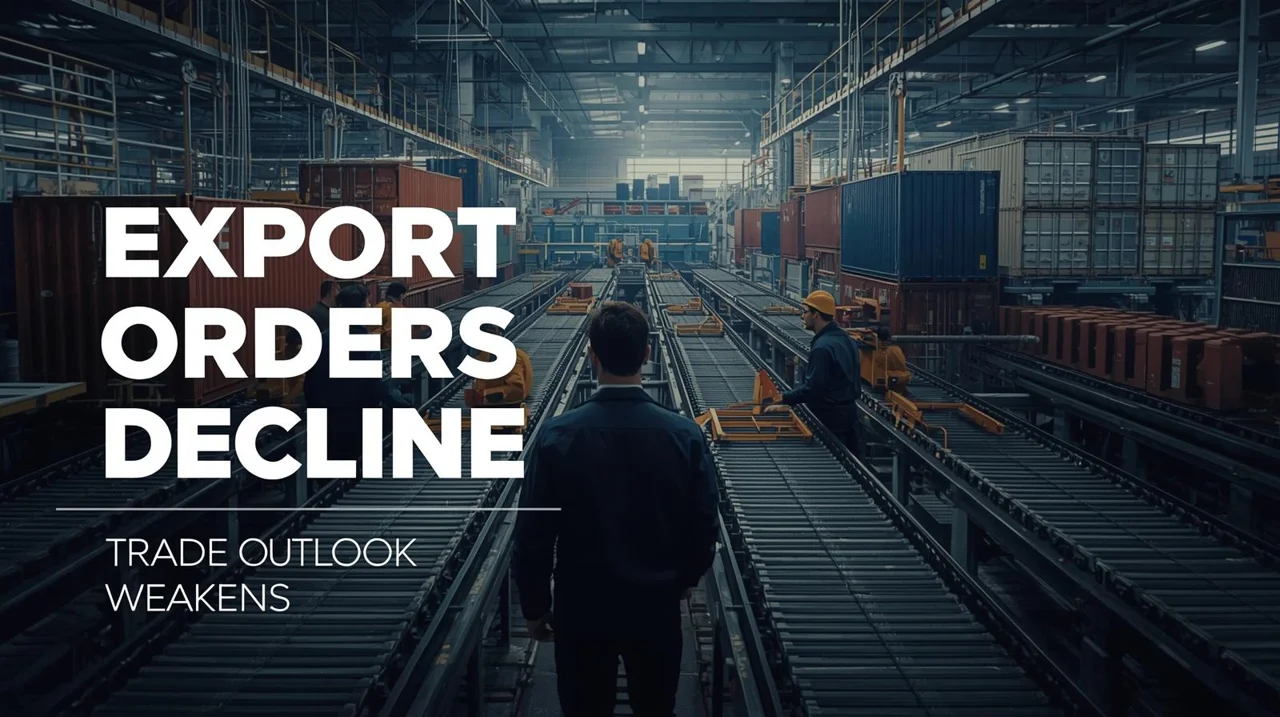
Factories may reduce production levels due to lower demand, leading to slower industrial activity.
Some companies may delay expansion plans or cut costs to manage reduced revenue.
Smaller manufacturers, in particular, may face greater challenges due to limited financial flexibility.
This slowdown can also affect supply chains, as reduced production impacts suppliers and logistics providers.
Effect on Employment and Jobs
The decline in export activity can have a direct impact on employment.
When production slows, companies may reduce hiring or limit new job opportunities.
In some cases, temporary layoffs or reduced working hours may occur, especially in export-dependent industries.
This can create uncertainty for workers and affect overall job market stability.
Global Trade and Economic Impact
Export declines in key manufacturing hubs can influence the broader global economy.
Lower trade activity can slow economic growth, especially in countries that rely heavily on exports.
Reduced industrial output can also affect related sectors such as transportation, logistics, and raw material supply.
This creates a chain reaction, impacting multiple areas of the economy.
How Businesses Are Responding
Companies are adopting different strategies to manage the slowdown.
Many are focusing on diversifying markets to reduce dependence on a single region.
Some businesses are exploring domestic demand as an alternative to declining exports.
Cost management and efficiency improvements are also being prioritized to maintain profitability.
In some cases, companies are investing in innovation to create more competitive products.
What This Means for the Future of Trade
The current decline may lead to changes in global trade patterns.
Businesses may move toward more resilient and flexible supply chains to handle uncertainty.
Regional trade partnerships could become more important as companies look for stable markets.
Technology and automation may play a larger role in improving efficiency and reducing costs.
While short-term challenges exist, long-term adjustments could strengthen trade systems.
Conclusion
The decline in export orders across manufacturing hubs highlights growing challenges in global trade.
Weak demand, rising costs, and geopolitical factors are all contributing to a more uncertain outlook.
The key takeaway is clear:
Businesses and economies must adapt quickly to changing trade conditions to remain competitive and stable.
Disclaimer
This article is for informational purposes only. Trade conditions and economic trends may change over time. Readers should stay updated with current developments for accurate insights.