May 1 marked a major step in global trade as the EU-Mercosur Interim Trade Agreement officially started its provisional application. This agreement is expected to bring immediate benefits to businesses, workers, and citizens across the European Union.
Tariffs Reduced on Most EU Exports
Under this agreement, over 91% of EU goods exported to Mercosur countries will gradually become duty-free. This means companies will pay much lower taxes when selling their products in these markets.
From the very first day, tariffs on key EU exports such as:
-
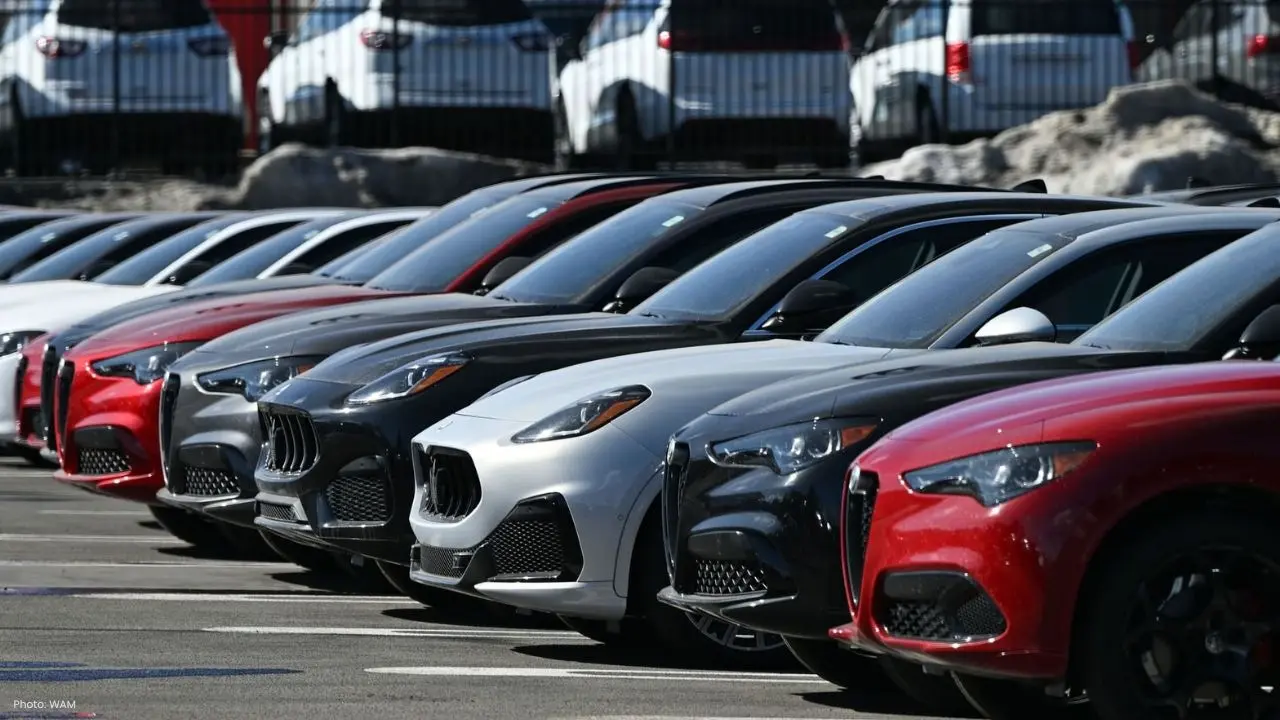
Cars
-
Pharmaceuticals
-
Spirits
-
Olive oil
have been either removed or significantly reduced. This change will help EU businesses expand in one of the world’s largest trade regions.
Access to a Huge Market
The deal opens up a combined market of more than 700 million people. This creates new opportunities for European companies to grow, increase sales, and compete globally.
Easier Trade Rules and Faster Business Operations
Starting May 1, the agreement also begins removing non-tariff and technical barriers to trade. This includes:
-
Simplified product standards
-
Clearer labeling rules
-
Better conformity assessments
These changes will make it easier and faster for EU companies to operate in Mercosur countries.
Public Contracts Now Open for EU Firms
Another important benefit is in public procurement. EU companies can now:
-
Bid for government contracts
-
Compete equally with local businesses
-
Access federal and state-level opportunities
This opens new revenue channels for European firms.
Boost for Services Sector
The agreement also supports service industries, including:
-
Finance
-
Information Technology (IT)
-
Transport
Businesses in these sectors will benefit from:
-
Clear licensing rules
-
Fair and non-discriminatory processes
-
Easier movement of workers
Strong Growth Expected by 2040
According to projections, the agreement could increase EU exports to Mercosur by 39% by 2040, reaching around €50 billion annually.
The EU-Mercosur trade deal is a major step toward stronger economic ties. By reducing trade barriers and opening new markets, it is expected to boost exports, support businesses, and create long-term growth opportunities.