Environmental Exposomics: How Our Environment Shapes Our Health
When we think about staying healthy, we often focus on eating nutritious food, exercising, or visiting a doctor when needed. But there is another factor that quietly influences our health every day—our environment. The air we breathe, the water we drink, the food we eat, and even the sounds and stress around us all play a role in how our body functions. This is where the fascinating field of environmental exposomics comes in.
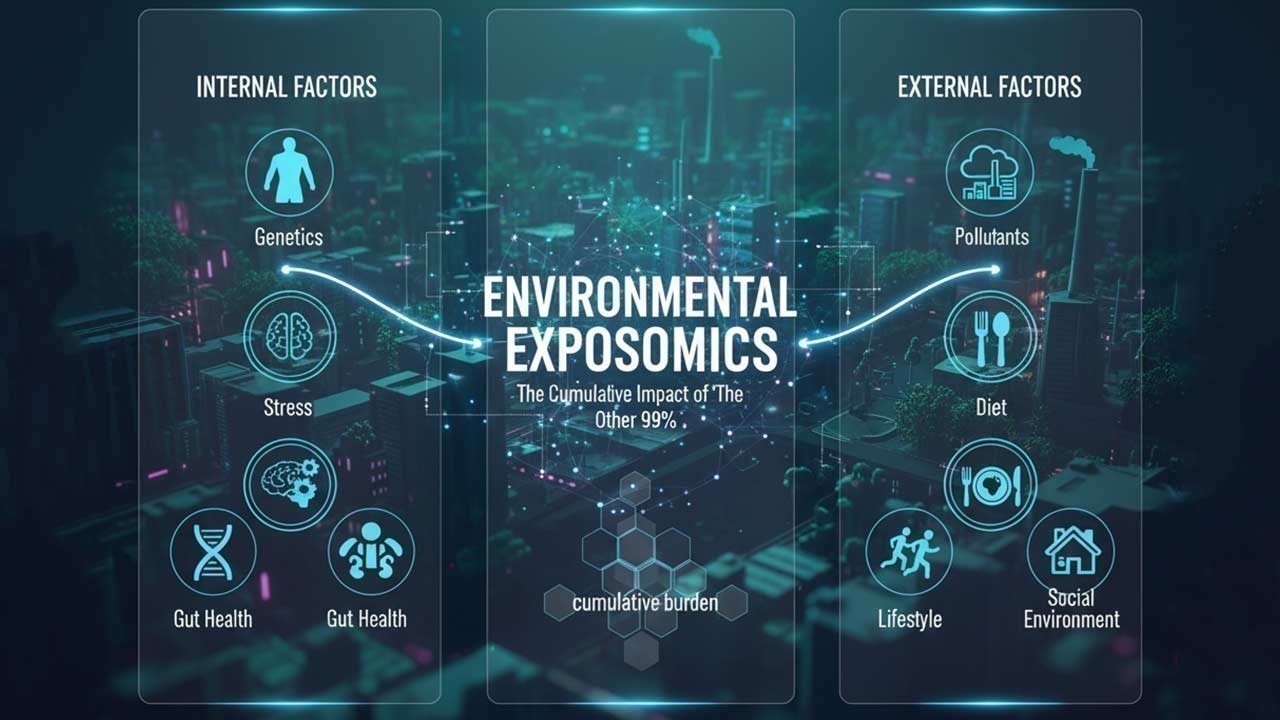
Environmental exposomics is the study of everything we are exposed to in our daily lives. It looks at how these exposures—like air, water, food, chemicals, sunlight, stress, and even social surroundings—affect our bodies over time. Just like our genes tell a story about our DNA, exposomics reveals the hidden story of our environment and its impact on our health.
What Is Environmental Exposomics?
Think of environmental exposomics as a detective story. Scientists act like detectives trying to understand the “exposome”—the complete record of all the exposures a person experiences from birth to adulthood. These exposures include:
-
Air quality – Breathing clean air versus polluted air filled with smoke, dust, or chemicals.
-
Water and food – What we eat and drink, including possible toxins or harmful substances.
-
Chemicals and toxins – Substances found in plastics, cleaning products, pesticides, and other household items.
-
Lifestyle exposures – Stress, noise, sunlight, and even lack of sleep.
By carefully studying these factors, scientists can connect the dots between the environment and human health. This research helps answer questions like: Why do some people stay healthy while others get sick even in the same city? Why are some children more likely to have asthma or allergies?
Why Environmental Exposomics Matters
Health is not determined by genes alone. The environment we live in has a big influence on our well-being. Long-term exposure to harmful surroundings can contribute to many chronic illnesses, such as asthma, diabetes, obesity, heart problems, and certain types of cancer.
Some examples include:
-
Children living near busy roads or factories may develop breathing difficulties due to air pollution.
-
Drinking water that contains chemicals or heavy metals can damage the liver, kidneys, or other organs.
-
Constant noise or stress from city life or workplaces can harm mental health and increase anxiety.
Environmental exposomics helps us see these hidden risks clearly. It shows how everyday surroundings can shape our health over time and why two people in the same environment may experience very different health outcomes.
How Scientists Study Environmental Exposures
Studying the exposome is not easy because exposures change constantly. Unlike our DNA, which remains the same, the environment affects us differently every day. Scientists now use modern tools to study and measure these exposures:
-
Wearable Sensors – Small devices that track pollution, noise, sunlight, and even how our body responds in real time.
-
Biological Tests – Blood, urine, or saliva tests that detect chemicals, toxins, and other substances in the body.
-
Data Analysis and Artificial Intelligence – Computers analyze large amounts of environmental and health data to identify hidden patterns.
By combining these tools, researchers can create an “environmental fingerprint” for each person. This fingerprint helps predict potential health risks before they become serious problems.
How Exposomics Benefits Our Lives
Environmental exposomics is not just research—it has real-life benefits:
-
Improved Healthcare – Doctors can identify potential health risks early by looking at both a person’s genes and environmental exposures. This leads to faster, more accurate treatment.
-
Safer Cities – Governments can use exposomics research to reduce pollution, plan green spaces, and make cities healthier for everyone.
-
Better Lifestyle Choices – Families can make informed decisions about food, water, and living areas to minimize health risks.
In simple words, exposomics gives us the knowledge to protect our health and live better lives.
The Future of Environmental Exposomics
Although this field is still growing, the future of exposomics looks very promising. Scientists believe it could transform medicine and public health by combining genetics with environmental history.
In the near future, we might see:
-
Hospitals checking both DNA and environmental exposures to suggest the best treatments.
-
Cities designed using “health maps” that show areas with cleaner air, water, and safer surroundings.
-
Apps that help families track their own environmental exposures and reduce health risks.
By focusing on both genetics and environment, exposomics could help prevent diseases rather than only treating them.
Environmental exposomics shines a light on the invisible factors around us that silently shape our health every day—air, water, chemicals, stress, and more. Understanding these exposures can help us take better care of ourselves, protect our families, and build healthier communities.
While our genes tell part of our story, our environment writes the rest. With exposomics, we are learning how to create a world where future generations can breathe clean air, drink safe water, and enjoy better health.
Disclaimer
The information in this article by DXB News Network is provided for educational purposes only. It is not a substitute for professional medical or scientific advice. Readers are encouraged to consult qualified experts before making any health or lifestyle changes.