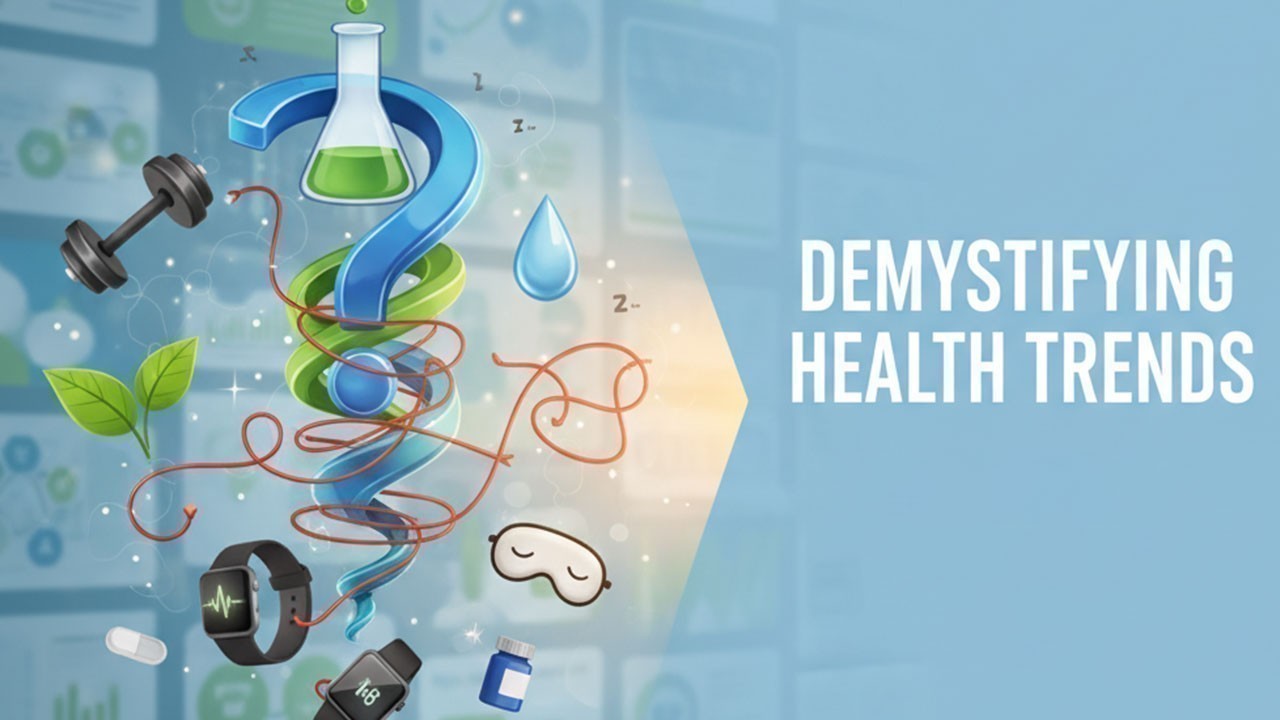
Demystifying Health Trends: Separating Fact from Fiction
Health trends seem to appear and disappear faster than ever. From “miracle” diets to superfoods and fitness fads, everyone has an opinion on what will make you healthier, fitter, and happier. But with so many claims about quick weight loss, glowing skin, or perfect wellness, it can be hard to know what’s true. At DXB News Network, we take a closer look at popular health trends to help you understand what really works—and what is just hype.
Why Health Trends Catch On
Health trends spread quickly because they promise simple solutions to complicated problems. In a busy world, people often want fast results, so a diet or workout that promises quick changes can seem very appealing. Social media influencers, celebrity endorsements, and viral posts make these trends seem even more trustworthy, even when the science behind them is weak.
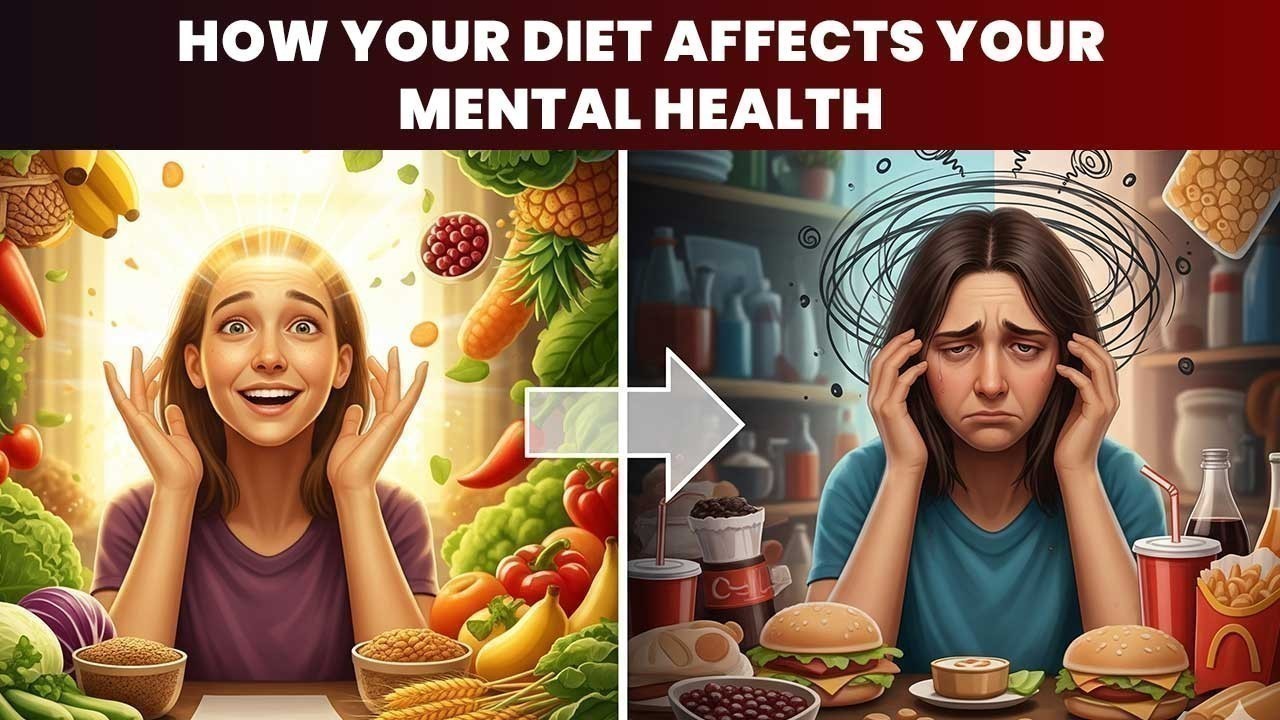
Some health trends are based on real science. For example, regular exercise and a balanced diet full of fruits, vegetables, and whole grains have well-documented benefits. But other trends, like extreme juice cleanses or very restrictive diets, may give only temporary results—or even cause harm. Understanding the difference is important for staying healthy in the long term.
Miracle Foods: Truth or Myth?
Superfoods such as turmeric, chia seeds, acai berries, and quinoa are often promoted as cures for weight loss, detoxification, or boosting immunity. While these foods are healthy and contain valuable nutrients, no single food can magically make you healthy.
A truly healthy diet includes a variety of foods. Fruits, vegetables, whole grains, lean proteins, and healthy fats together provide all the nutrients your body needs. Relying on just one “superfood” is not only ineffective but can also be misleading. Moderation and variety are the most important parts of lasting health.
Supplements: Use With Care
Supplements like vitamins, minerals, and herbal products are widely used to fill nutritional gaps. Multivitamins, protein powders, and herbal teas are all popular ways to stay healthy. However, supplements are not a replacement for a balanced diet, and taking too much of certain nutrients can sometimes be harmful.
For example, too much vitamin A can damage the liver, excessive iron can upset your stomach, and some herbal supplements may interfere with medicines. Before adding supplements to your daily routine, it is best to consult a doctor or a trained nutritionist. This ensures that you are using them safely and effectively.
Fitness Fads vs. Real Results
High-intensity workouts, boutique gym classes, and online fitness challenges often promise quick transformation. These trends can be exciting and motivate people to start exercising, but lasting results come from regular, consistent activity.
A good fitness plan includes a mix of cardio, strength training, and flexibility exercises. Quick fixes rarely last, but building healthy habits—like walking regularly, doing strength exercises a couple of times a week, and practicing stretching or yoga—brings long-term benefits. Fitness trends can be fun, but they should complement, not replace, a steady and balanced routine.
Mental Health: The Overlooked Side of Wellness
In recent years, mental health has become a key part of wellness. Practices like meditation, journaling, digital detoxes, and mindfulness exercises help reduce stress, improve focus, and support emotional well-being.
However, these habits are not a replacement for professional help. If you experience anxiety, depression, or ongoing stress, consulting a trained mental health professional is essential. Combining healthy mental habits with expert guidance is the most effective way to maintain overall health.
How to Approach Health Trends Wisely
Making smart choices about health trends requires careful thinking. Here are some tips:
-
Check the Science: Look for information from credible studies, doctors, or certified nutritionists instead of relying only on social media posts.
-
Avoid Extremes: Extreme diets or intense workout programs may seem appealing but can be unsafe and hard to stick to.
-
Focus on Balance: A healthy lifestyle includes a balanced diet, regular exercise, enough sleep, and stress management.
-
Listen to Your Body: Every person’s body is different. What works for someone else may not work for you.
-
Consult Experts: Guidance from doctors, nutritionists, or fitness trainers ensures you are taking safe steps toward your health goals.
New health trends will continue to appear, each promising quick fixes and instant results. While some may be helpful, many are driven more by marketing than science. The key to real health is not following every new fad but understanding what works best for your body and mind.
Being informed, cautious, and consistent is the best approach. By combining a balanced diet, regular physical activity, and habits that support mental wellness, you can maintain long-term health. Knowledge and wise choices will always be more valuable than chasing the latest viral trend.
Disclaimer
This article is intended for informational and educational purposes only. The content provided by DXB News Network is not a substitute for professional medical advice, diagnosis, or treatment. Readers are strongly advised to consult a licensed healthcare professional, nutritionist, or fitness expert before making any significant changes to their diet, exercise routine, or mental health practices. Individual health conditions and needs may vary, and professional guidance ensures that any changes are safe, effective, and tailored to your personal well-being.