The Silent Struggle: How to Support Someone with a Mental Illness
Mental health is often called an invisible fight. Millions of people around the world are living with mental illnesses, but many suffer quietly, without anyone noticing. Unlike physical sicknesses, mental illnesses are not always visible, which makes it harder for others to understand. From anxiety and depression to bipolar disorder and schizophrenia, these conditions can affect the way a person thinks, feels, and behaves every day. Supporting someone with a mental illness is not just about being kind—it is about understanding, patience, and standing with them through their journey.
What Is Mental Illness?
Mental illness is not a sign of weakness. It is a health condition, just like diabetes or heart problems. It affects the mind and can change a person’s mood, thoughts, and behavior. Some common mental health conditions are depression, anxiety disorders, bipolar disorder, and schizophrenia. People with these conditions might find it hard to do daily activities, manage relationships, or handle school or work.
It is important to remember that mental illness is not the person’s fault. They need care, understanding, and support, just like someone who is physically sick. Knowing and understanding mental illness is the first step to helping someone in the right way.
How to Recognize Signs of Mental Illness
Recognizing the signs of mental health struggles can make a huge difference. Each person is different, but some common signs include:
-
Feeling sad or irritable most of the time
-
Pulling away from family, friends, or social activities
-
Changes in sleep or eating habits
-
Losing interest in hobbies or things they used to enjoy
-
Trouble concentrating or making decisions
-
Talking about feeling hopeless, guilty, or like a burden
If you notice any of these signs in someone, it is important to approach them with care, kindness, and patience.
Ways to Support Someone with Mental Illness
Supporting someone with a mental illness is not always easy, but there are many ways to help that really make a difference. Here are some important steps:
1. Listen Without Judging
Sometimes, people just need someone to listen. Give them your full attention, and don’t interrupt. Avoid giving advice unless they ask for it, and never blame them for their feelings. Being a good listener can give comfort and make them feel understood.
2. Learn About Mental Health
Try to learn about the condition they are going through. Understanding the symptoms, treatments, and challenges helps you support them better. It also helps you avoid believing myths or saying things that might hurt them without meaning to.
3. Encourage Professional Help
Mental illnesses are real medical conditions, and sometimes people need therapy, counseling, or medicine. Encourage your loved one to seek professional help. You can even help them find a good doctor, attend appointments with them, or support them emotionally.
4. Help With Daily Tasks
Simple daily tasks can feel overwhelming for someone struggling with mental health. Helping with groceries, cooking, cleaning, or even small chores can reduce stress. Small gestures like this can show that you care.
5. Be Patient and Consistent
Recovery from mental illness is not always a straight path. There will be good days and bad days. Celebrate small achievements and stay patient during setbacks. Your consistent support, even without words, can give hope and reassurance.
6. Respect Their Boundaries
While support is important, it is also important to respect their personal space. Don’t force them to talk or do things they are not ready for. Respect builds trust and helps them feel safe.
7. Encourage Healthy Habits
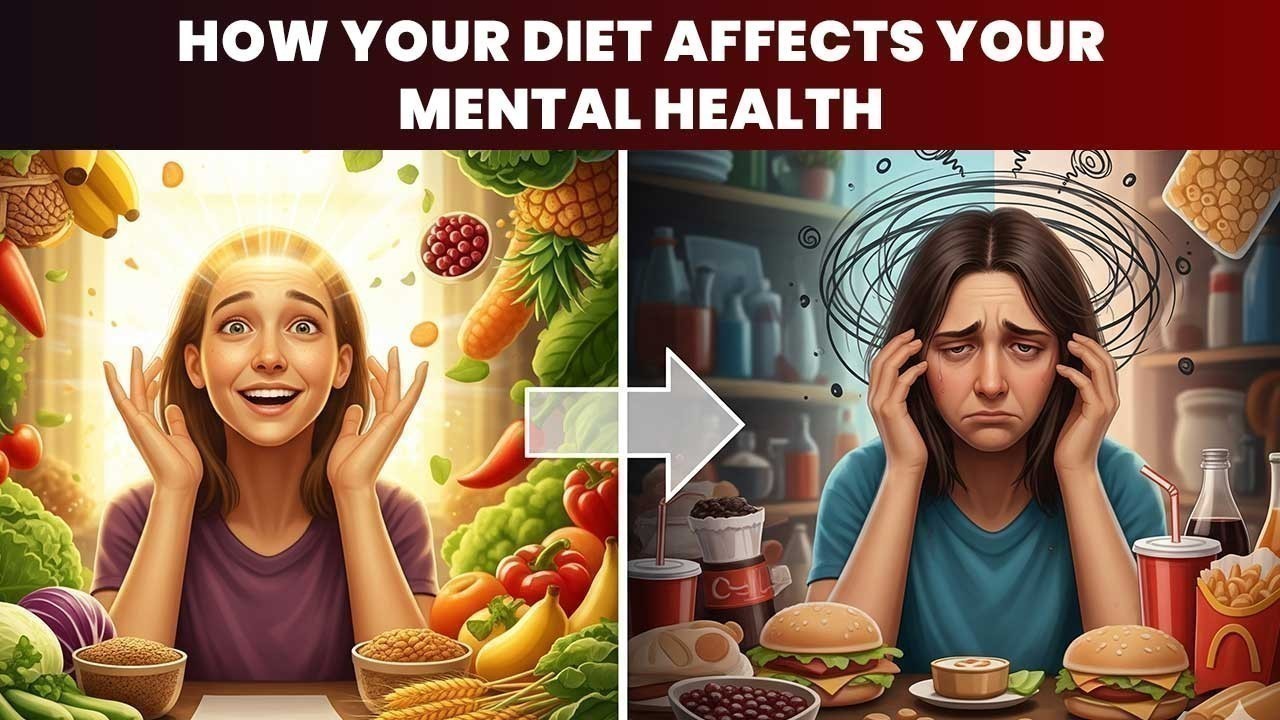
Encourage activities that help mental health, like exercise, a balanced diet, enough sleep, and relaxing exercises like meditation or deep breathing. Healthy habits can improve mood, reduce stress, and support overall well-being.
8. Be Alert to Warning Signs
Sometimes mental illness can lead to self-harm or thoughts of suicide. Always take warning signs seriously. If someone talks about hurting themselves or shows dangerous behavior, get help immediately from professionals or helplines.
Fighting Stigma Around Mental Health
One of the biggest challenges for people with mental illness is stigma. Negative attitudes and judgment often stop them from seeking help. You can reduce stigma by:
-
Using kind, respectful words
-
Sharing accurate information about mental health
-
Supporting programs or campaigns that raise awareness
Creating a safe and understanding environment encourages people to speak openly about their struggles without fear
Supporting someone with a mental illness can be challenging, but your understanding, patience, and care can truly make a difference. Even small acts—listening, offering help, or encouraging professional support—can bring hope and reassurance.
Mental health is something we all share responsibility for. By learning, being empathetic, and acting with kindness, we can help those silently struggling feel seen, heard, and supported. Every step we take toward understanding mental health helps build a society that is more caring, accepting, and healthy for everyone.
Disclaimer
The information provided in this article is intended solely for educational and awareness purposes. It is designed to help readers better understand mental health challenges and ways to support someone living with a mental illness. This content is not a substitute for professional medical advice, diagnosis, or treatment. Mental health conditions are complex, and each individual’s situation is unique. Readers experiencing mental health concerns, or those supporting someone who is struggling, should always consult a qualified healthcare provider, psychologist, or licensed mental health professional for personalized guidance, accurate diagnosis, and appropriate treatment options. DXB News Network encourages readers to seek professional help immediately in cases of crisis or emergency.