Yoga for Kids: Building Healthy Habits from an Early Age
In today’s fast-moving world, children spend a lot of their time on screens, schoolwork, and various activities outside of school. While these activities are important, too much screen time and a busy schedule can sometimes affect a child’s health, mood, and focus. Many kids struggle with tiredness, stress, poor posture, or trouble concentrating.
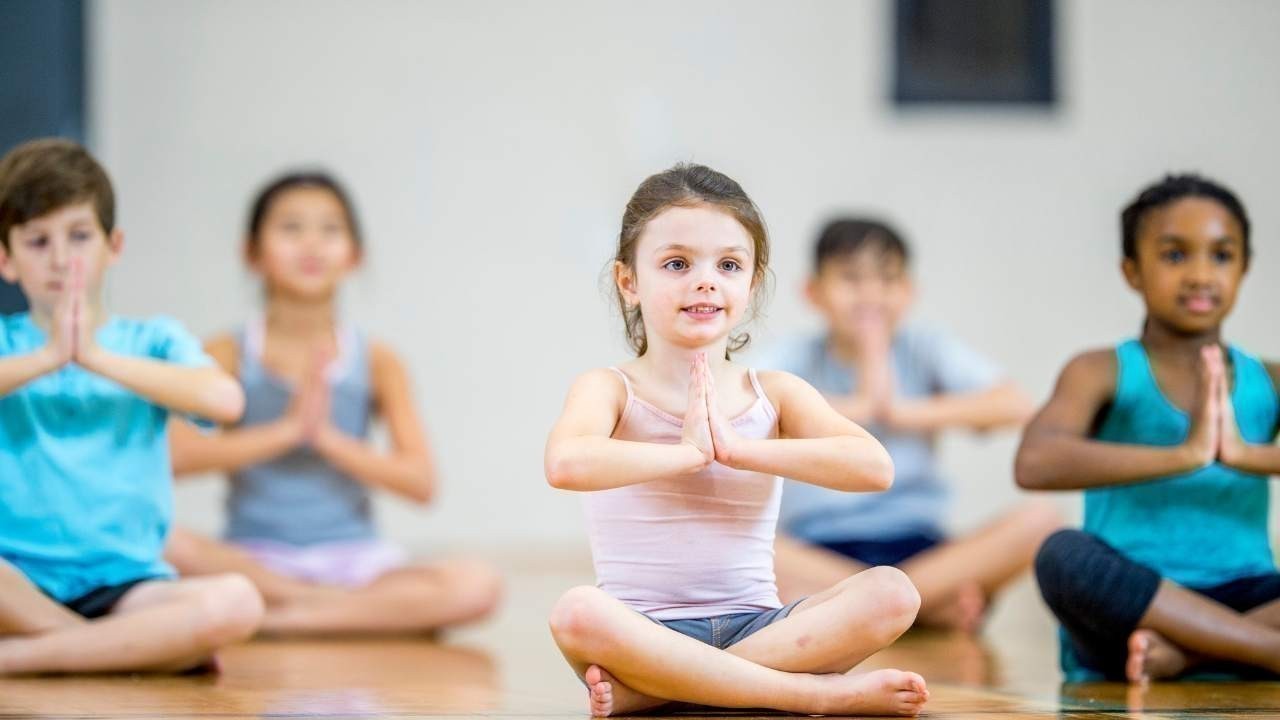
One way to help children stay healthy and balanced is by introducing them to yoga early in life. Yoga is more than just exercise—it is a complete practice that strengthens the body, calms the mind, and helps children feel emotionally balanced. Yoga can support kids in growing strong, confident, and happy, making it a perfect habit to start young.
Why Yoga is Good for Kids
1. Supports Physical Health
Children are constantly growing, and their muscles, bones, and joints need care and attention. Yoga helps them stay strong, flexible, and balanced. Simple poses like Tree Pose (Vrikshasana) and Cat-Cow Pose (Marjaryasana-Bitilasana) improve posture and strengthen core muscles. Unlike some exercises, yoga is gentle yet very effective, so even younger kids can do it safely.
Practicing yoga regularly also lowers the risk of injuries, improves coordination, and supports overall physical growth. Children who play sports can especially benefit because yoga helps increase endurance, flexibility, and body strength.
2. Improves Mental Focus
Yoga teaches children to pay attention to their breathing and to stay present in the moment. This practice helps improve focus, memory, and problem-solving skills. Breathing exercises like Belly Breathing help children calm their minds, concentrate better, and approach tasks with clarity.
Research shows that children who practice yoga often do better in school and show more positive behavior. Mindful breathing and meditation help kids manage distractions and think more clearly.
3. Helps Emotional Well-Being
Kids can sometimes feel stressed, anxious, or moody, especially in school or social situations. Yoga offers a natural way to handle these emotions. Poses like Child’s Pose (Balasana) and breathing exercises like Lion’s Breath (Simhasana) teach children how to release tension, stay relaxed, and express themselves confidently.
Yoga also teaches patience, self-awareness, and emotional control. Children learn to understand their feelings and manage stress, which helps them grow into emotionally healthy and resilient individuals.
4. Encourages Healthy Daily Habits
Starting yoga early encourages children to take care of their bodies and minds. Regular practice promotes healthy habits such as eating well, staying active, and being consistent with self-care. These habits often continue into adulthood, creating a strong foundation for lifelong health.
When parents include yoga in daily routines, it helps children develop discipline, self-confidence, and a positive relationship with their own bodies. Yoga also encourages children to balance screen time with physical activity, which is important in today’s digital world.
Easy Yoga Poses for Children
Here are some simple yoga poses that children can do at home or in school:
-
Tree Pose (Vrikshasana): Stand tall, lift one foot to rest on the inner thigh, and balance like a tree. This pose strengthens legs, improves balance, and boosts concentration.
-
Cat-Cow Pose (Marjaryasana-Bitilasana): Move the spine slowly while inhaling and exhaling. This pose keeps the back flexible and helps release tension.
-
Child’s Pose (Balasana): Sit on the heels and stretch your arms forward. This resting pose helps calm the mind and relax the body.
-
Butterfly Pose (Baddha Konasana): Sit with the soles of the feet together and gently flap the legs. This pose improves hip flexibility and helps blood flow.
-
Lion’s Breath (Simhasana): Take a deep breath, open your mouth wide, and exhale like a roaring lion. This fun activity helps release stress and builds confidence.
Tips to Make Yoga Fun
-
Keep Sessions Short: For younger kids, 10–20 minutes is enough to hold attention.
-
Use Stories and Games: Turn yoga poses into playful games or stories to make it exciting.
-
Practice Together: Parents and siblings can join to make it more enjoyable and encourage participation.
-
Create a Calm Space: A quiet and safe environment helps kids focus better.
-
Be Consistent: Short daily practice is better than long sessions occasionally.
Yoga is not just a form of exercise; it is a tool that helps children grow stronger, smarter, and calmer. With regular practice, kids can improve their posture, reduce stress, enhance focus, and adopt healthy habits that last a lifetime.
Parents and teachers can guide children to enjoy yoga as a fun and regular activity rather than a chore. By combining simple poses, playful exercises, and mindful breathing, yoga can help children develop physically, mentally, and emotionally, preparing them for a healthier, happier future.
Disclaimer
The information in this article, published by DXB News Network, is for educational and awareness purposes only. It is not a substitute for professional medical, psychological, or wellness advice. Parents and guardians are encouraged to consult qualified experts before introducing new physical activities or exercises to children.