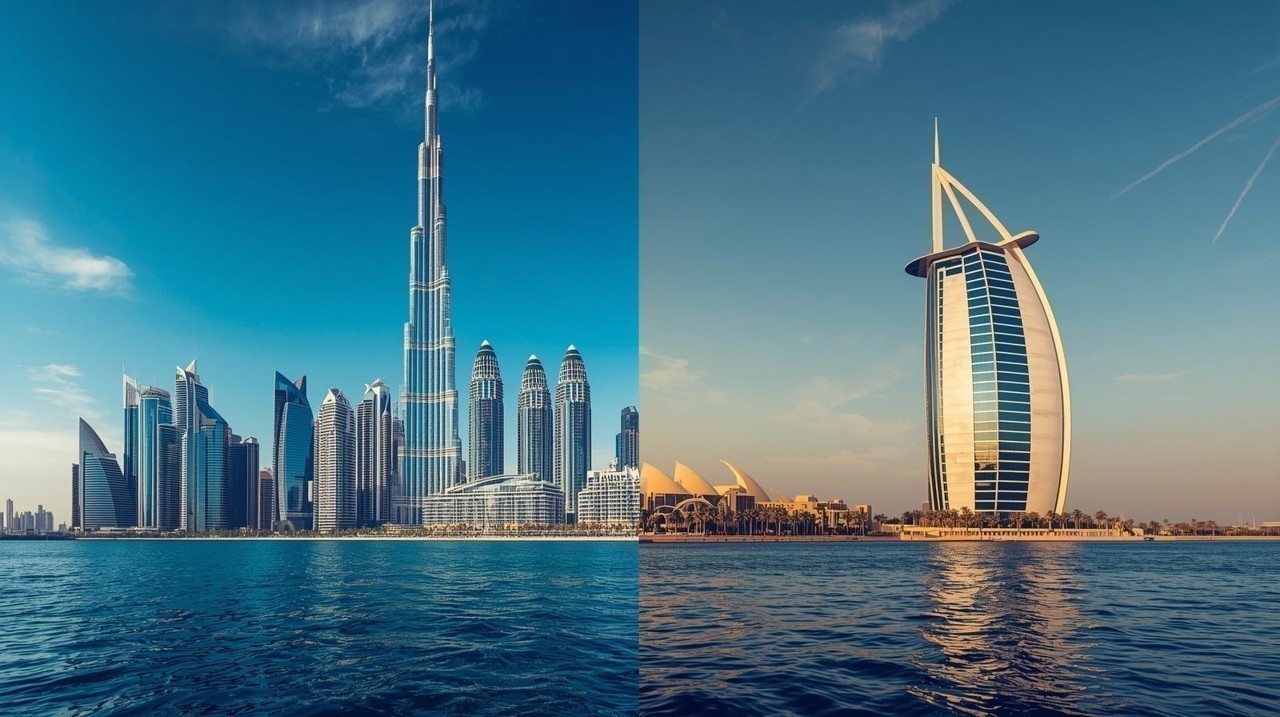
Dubai vs. Abu Dhabi: Which City Offers Better ROI?
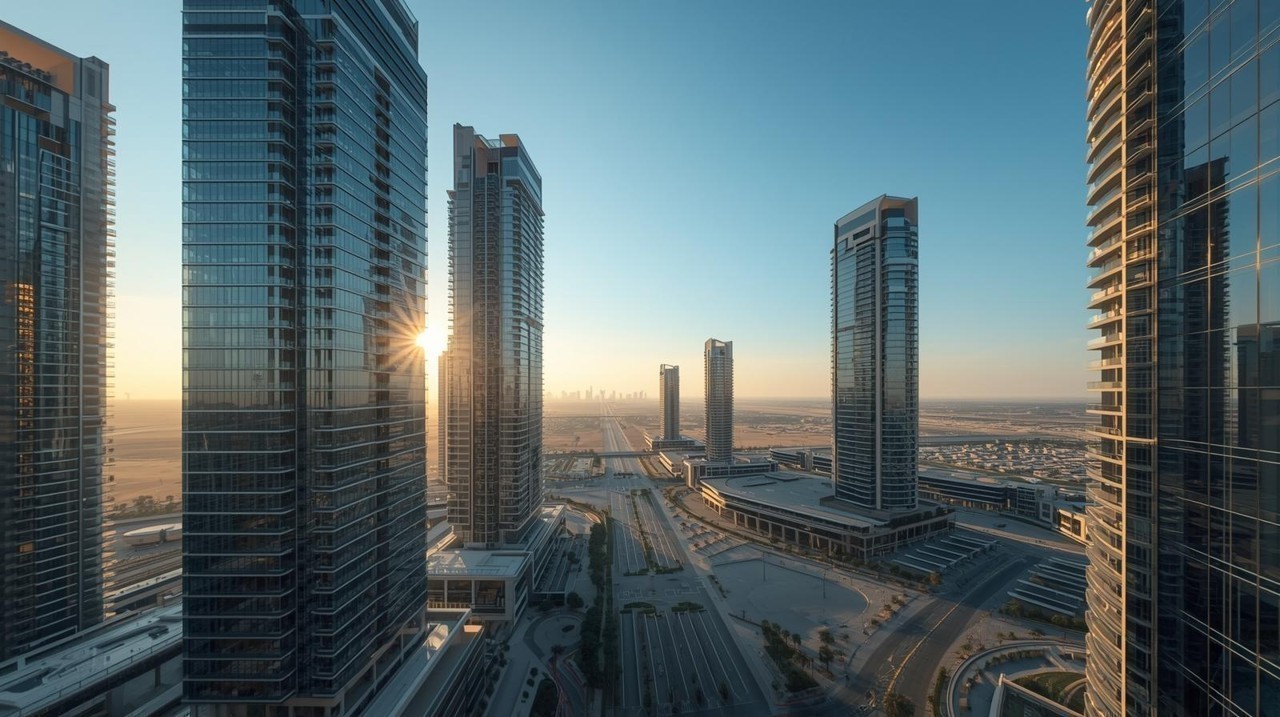
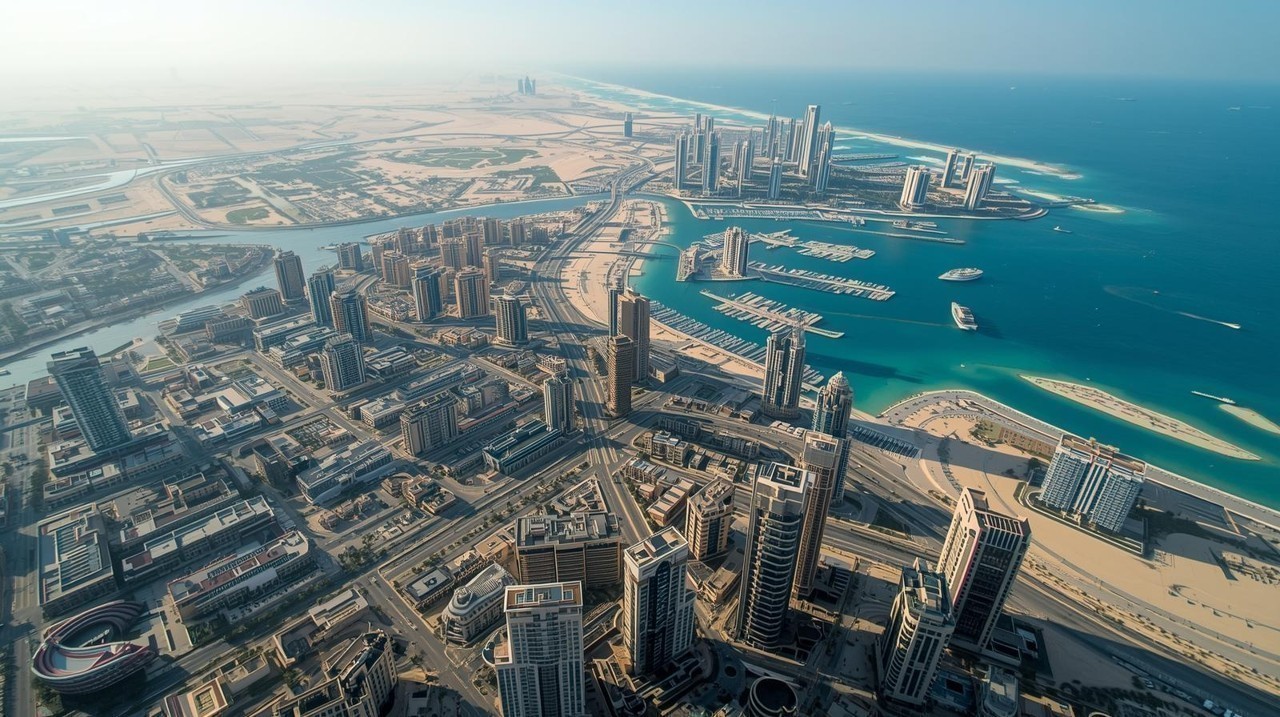
When it comes to real estate investment in the UAE, the debate often centers around Dubai vs. Abu Dhabi — two powerhouse cities with unique investment opportunities, growth potential, and market dynamics. Both cities offer attractive prospects, but determining which one provides a better return on investment (ROI) depends on several factors including location, property type, rental yield, and long-term appreciation.
This article explores key differences between the two markets, providing investors with a clear comparison to make an informed decision.
1. Overview of the Real Estate Markets
Dubai: The Global Real Estate Hotspot
Dubai’s property market is internationally recognized for its luxury developments, investor-friendly regulations, and strong tourism-driven demand. Over the years, the city has positioned itself as a global hub for business, innovation, and lifestyle, attracting foreign investors, entrepreneurs, and expatriates.
Dubai’s real estate market thrives on:
-
A diverse mix of residential, commercial, and off-plan projects
-
100% foreign ownership in designated freehold areas
-
Strategic initiatives such as Golden Visas and long-term residency programs
According to the Dubai Land Department, property transactions in 2024 crossed record-breaking levels, driven by demand from international buyers and sustained economic growth.
Abu Dhabi: The Capital’s Steady Growth
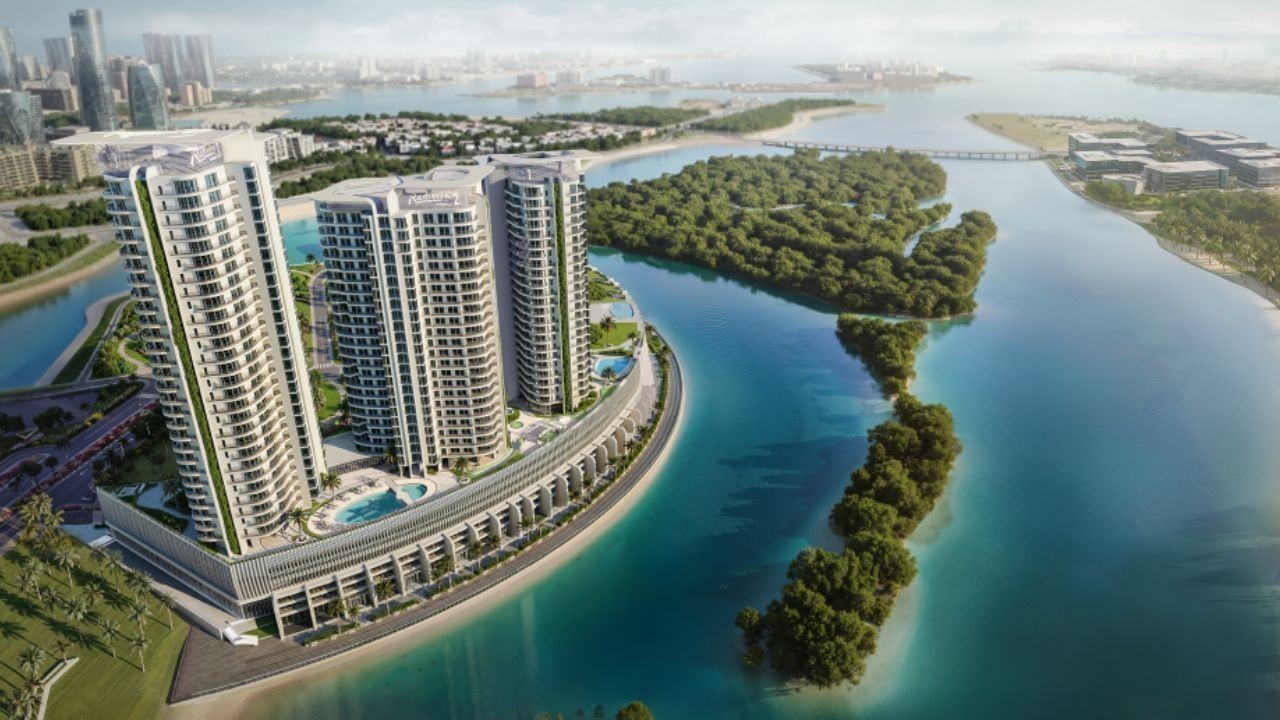
Abu Dhabi, on the other hand, represents stability and long-term growth. As the UAE’s capital and one of the richest cities globally, its market has traditionally been more regulated and conservative compared to Dubai. However, recent reforms have made it increasingly attractive to investors.
The introduction of freehold ownership for foreigners in select areas such as Saadiyat Island, Yas Island, and Al Reem Island has opened new opportunities. Moreover, with a focus on sustainability and culture-driven projects, Abu Dhabi appeals to investors seeking consistent, low-risk returns.
2. Comparing ROI: Dubai vs. Abu Dhabi
Rental Yields
Dubai consistently leads the UAE in rental yields. Depending on the area, average returns range between 6% and 9%, significantly higher than major global cities like London or New York. Popular neighborhoods such as Business Bay, Jumeirah Village Circle (JVC), and Downtown Dubai deliver strong annual returns for investors focused on short to medium-term income.
In contrast, Abu Dhabi’s rental yields typically range from 5% to 7%, with prime areas like Al Reem Island, Yas Island, and Saadiyat Island showing steady demand. While the yields are slightly lower, Abu Dhabi’s market compensates with greater price stability and lower vacancy rates.
Verdict:
Dubai wins in terms of higher rental yields, especially for investors seeking short-term income or quick capital appreciation.
3. Property Prices and Affordability
Dubai
Dubai offers a wider range of property prices — from affordable apartments in JVC and Dubai South to ultra-luxury penthouses in Palm Jumeirah and Downtown. The market’s diversity allows investors to choose properties based on budget, ROI goals, and risk appetite.
The city’s off-plan sector has been booming, with flexible payment plans making it easier for investors to enter the market without heavy upfront costs.
Abu Dhabi
Abu Dhabi’s property prices tend to be slightly higher for similar quality developments due to the city’s premium infrastructure and limited supply. However, developers like Aldar Properties are increasingly launching competitive projects to attract mid-range buyers and investors.
Verdict:
Dubai is more affordable and offers greater flexibility for first-time and mid-level investors.
Abu Dhabi, while slightly pricier, is ideal for those seeking long-term stability and luxury-grade assets.
4. Market Regulations and Investor Friendliness
Dubai
Dubai has a long-standing reputation for being investor-friendly. Policies such as:
-
100% foreign property ownership
-
No annual property tax
-
Simplified visa options for investors
make the city one of the easiest places in the world to buy property.
Additionally, platforms like the Dubai Land Department (DLD) and RERA (Real Estate Regulatory Agency) ensure transparency and investor protection.
Abu Dhabi
Abu Dhabi was slower to open its market to foreign investors, but since the introduction of freehold zones, it has become increasingly competitive. The Department of Municipalities and Transport (DMT) regulates the sector, ensuring strict compliance and reducing speculation risks.
Verdict:
Dubai remains the more flexible and transparent market for international investors, though Abu Dhabi’s regulatory environment is catching up quickly and offers excellent security.
5. Economic and Population Growth
Dubai
Dubai’s economy thrives on tourism, trade, finance, and technology, driving consistent population growth and housing demand. The city’s vision to become the world’s best place to live and work is reflected in its infrastructure projects, business zones, and global connectivity.
Its expatriate population (around 85%) ensures a steady demand for rental properties, particularly in central and affordable neighborhoods.
Abu Dhabi
Abu Dhabi’s economy is powered by oil revenues, renewable energy, and government-led diversification projects. The city’s population growth is slower but more stable, supported by a strong base of local residents and long-term expatriates.
Verdict:
Dubai’s faster economic and population growth translates into stronger short-term investment opportunities, while Abu Dhabi’s slower but steadier pace supports long-term stability.
6. Lifestyle and Tenant Demand
Dubai is a cosmopolitan city that attracts global talent, entrepreneurs, and digital nomads. Its dynamic lifestyle, world-class amenities, and cultural openness make it ideal for those looking to buy-to-rent in high-demand urban districts.
Abu Dhabi, by contrast, offers a more relaxed, family-oriented lifestyle with an emphasis on culture, safety, and sustainability. This makes it appealing to long-term tenants and families, ensuring consistent occupancy rates.
Verdict:
Dubai caters to short-term, high-turnover tenants, while Abu Dhabi serves long-term, stable residents — both supporting strong ROI models, depending on your investment strategy.
7. Upcoming Developments and Future Potential
Dubai
Dubai continues to innovate with ambitious projects such as:
-
Dubai Creek Harbour
-
Business Bay 2.0 Expansion
-
Expo City Dubai
-
Dubai 2040 Urban Master Plan
These projects aim to balance sustainability, digital innovation, and livability — all contributing to rising property values over time.
Abu Dhabi
Abu Dhabi is focusing on high-end, community-driven developments like:
-
Saadiyat Grove
-
Yas Acres
-
Al Reem Downtown
-
Hudayriyat Island projects
Its long-term strategy emphasizes green living, cultural tourism, and economic diversification, ensuring gradual yet steady capital appreciation.
Verdict:
Dubai’s market is more dynamic, offering faster capital growth, while Abu Dhabi offers reliability and long-term investor security.
8. The Numbers: Quick ROI Comparison
| Category | Dubai | Abu Dhabi |
|---|---|---|
| Average ROI (Rental Yield) | 6%–9% | 5%–7% |
| Property Price Range | Wide (affordable to luxury) | Mid to high-end |
| Market Openness | Full foreign ownership | Limited to select areas |
| Regulatory Environment | Highly transparent (RERA) | Stable, well-regulated |
| Tenant Base | Short-term, high-demand | Long-term, stable |
| Capital Appreciation | Faster | Gradual |
| Risk Level | Moderate to High | Low to Moderate |
Conclusion: Which City Offers Better ROI?
Both Dubai and Abu Dhabi offer excellent real estate investment opportunities — the better ROI depends on your investment goal and risk tolerance.
-
Choose Dubai if you’re seeking high rental yields, flexible entry points, and faster capital growth. It’s ideal for short to mid-term investors who want liquidity and market dynamism.
-
Choose Abu Dhabi if you prefer long-term stability, lower risk, and consistent rental income in a regulated environment with premium living standards.
In essence, Dubai is better for growth-driven investors, while Abu Dhabi appeals to wealth preservation investors.
For many savvy buyers, diversifying between both markets may offer the perfect balance of growth and stability.