The Impact of Tourism on Real Estate Growth in the UAE
The United Arab Emirates (UAE) has become one of the world’s leading travel and investment destinations, attracting millions of visitors each year with its luxury, innovation, and world-class infrastructure. But beyond its reputation as a top tourist hotspot, the country’s tourism boom has played a significant role in driving real estate growth — from high-end hotels to residential communities and vacation rentals.
In 2026, the connection between tourism and real estate in the UAE is stronger than ever, shaping not only the property market but also the country’s long-term economic vision.
1. Tourism as a Catalyst for Real Estate Expansion
Tourism is one of the key pillars of the UAE’s economic diversification strategy. As visitor numbers rise each year, demand for accommodation, entertainment, and infrastructure naturally increases.
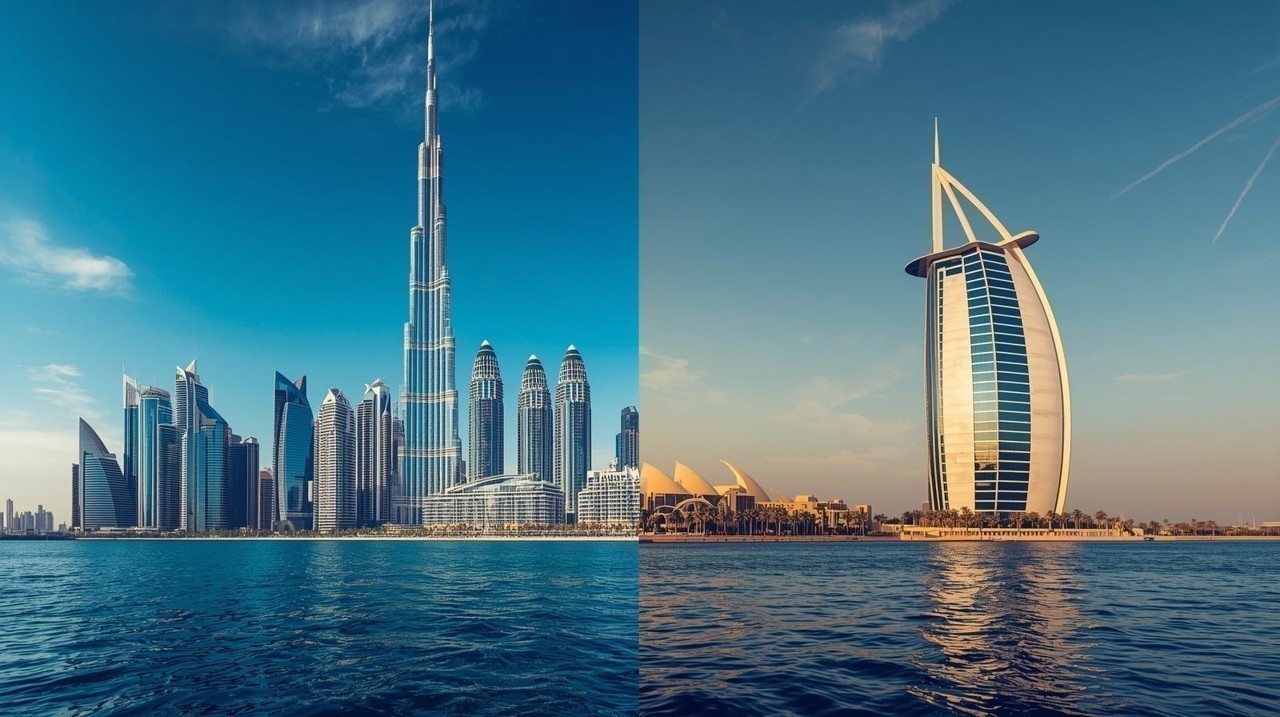
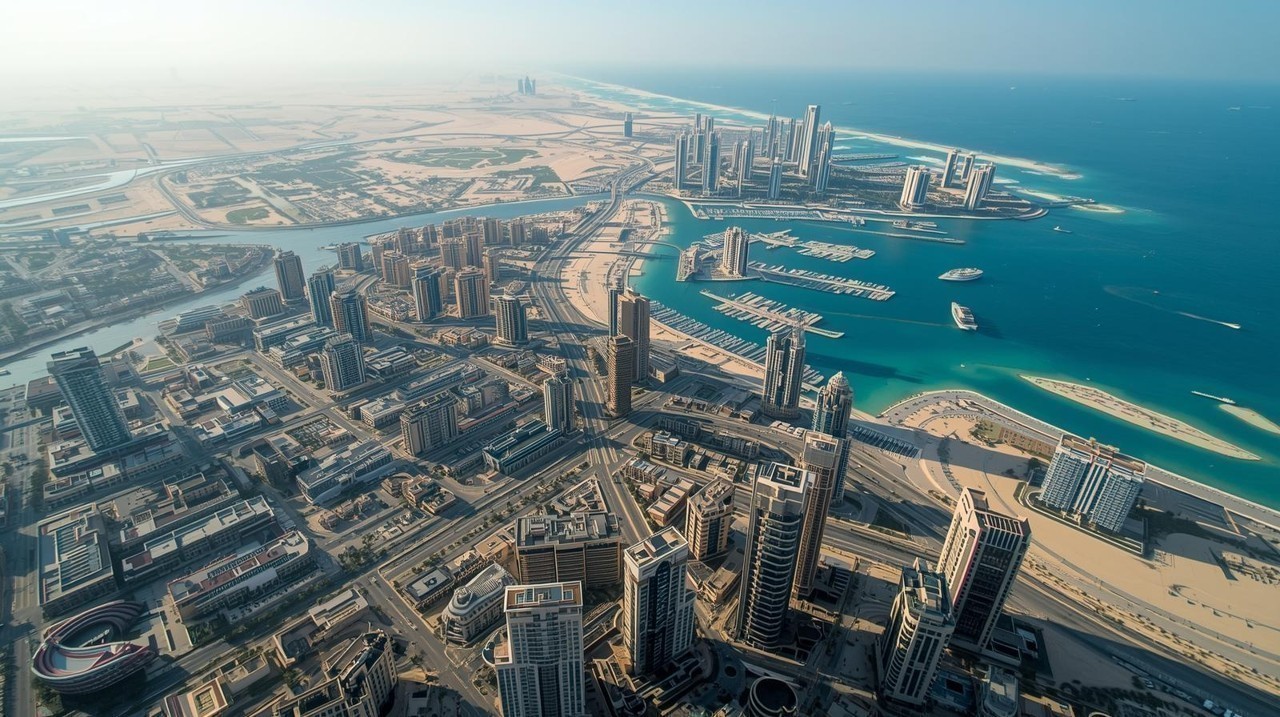
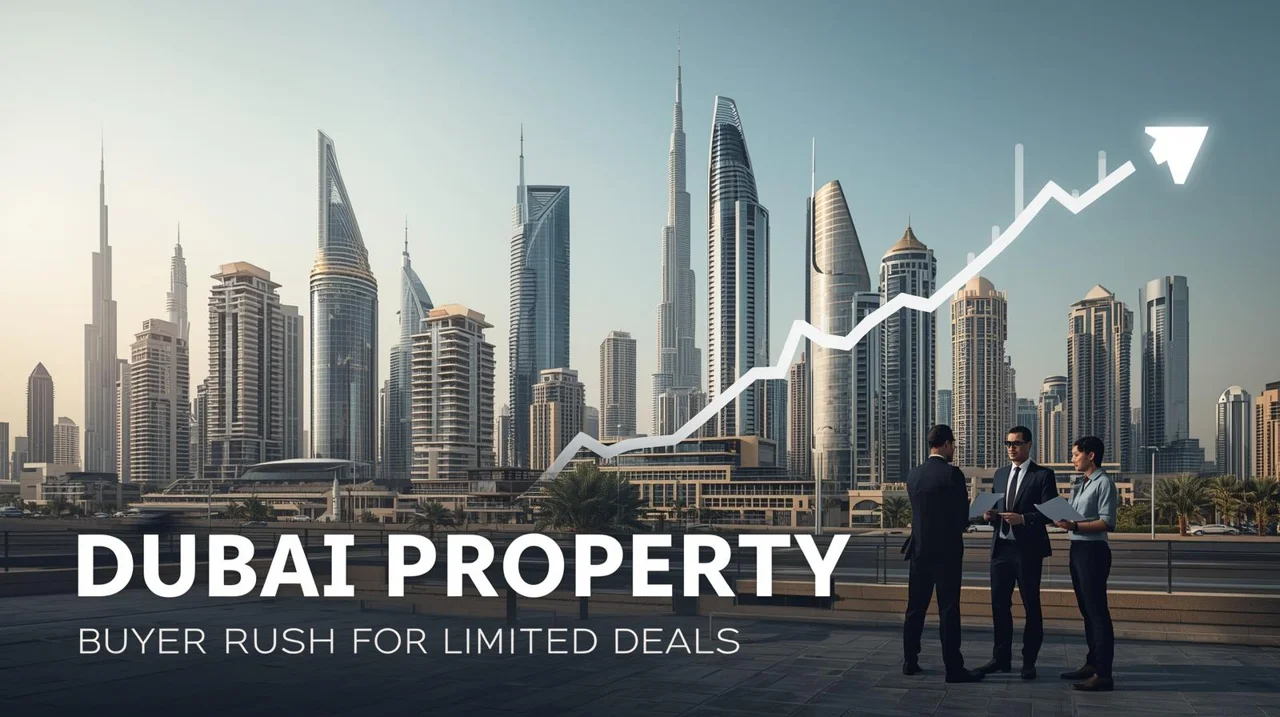
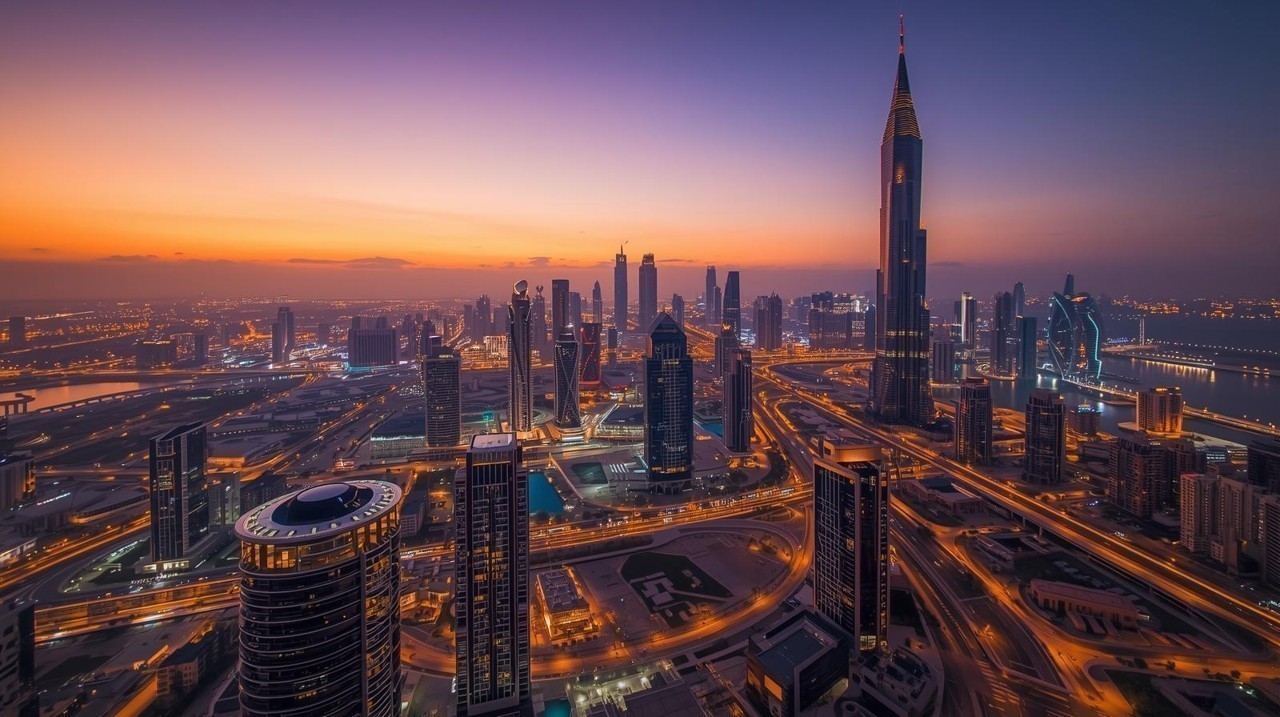
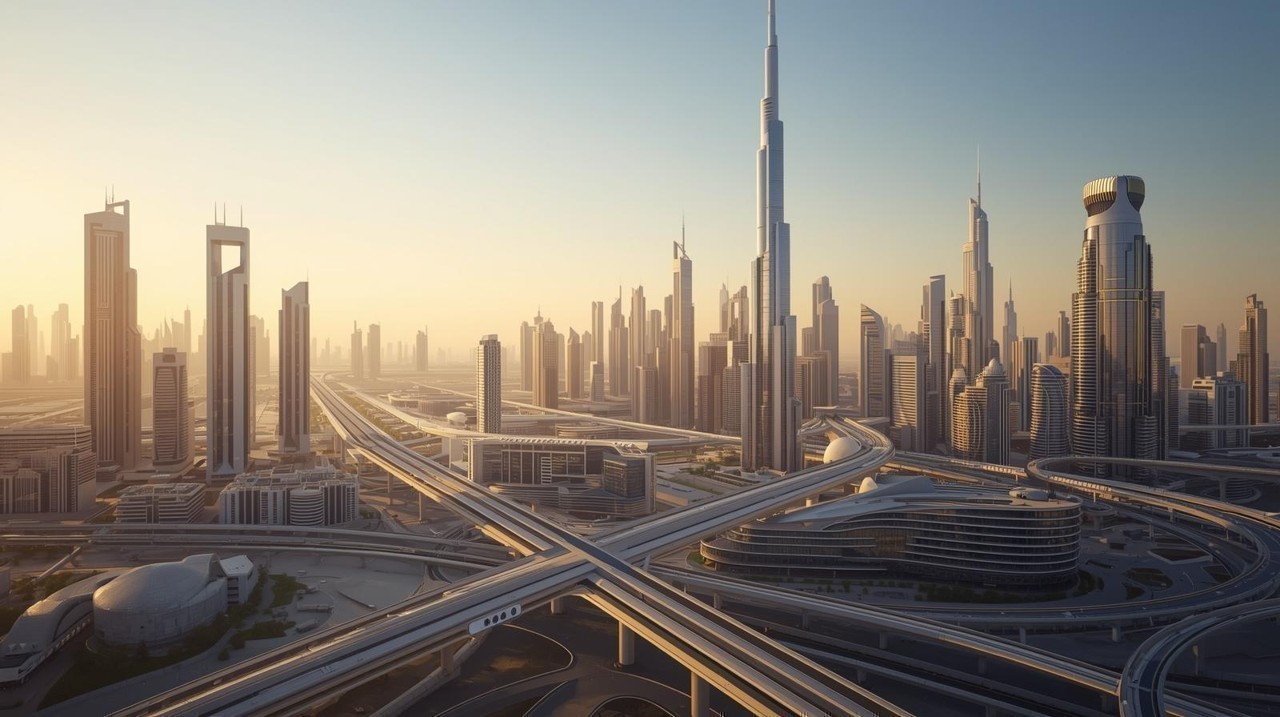
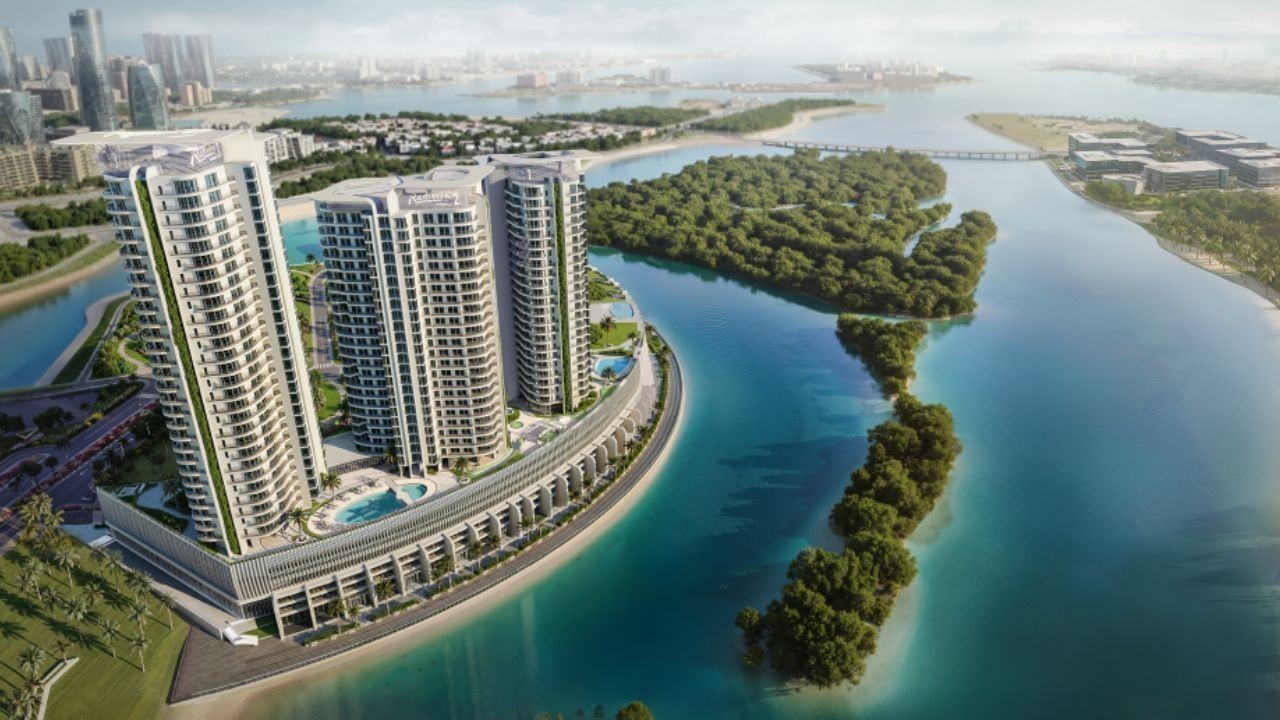
Cities like Dubai and Abu Dhabi have experienced remarkable real estate development in response to the tourism surge. From luxury hotels on Palm Jumeirah to waterfront apartments in Dubai Marina, tourism has become the driving force behind many of the UAE’s most successful property investments.
Fact: According to government data, tourism contributes over 12% of the UAE’s GDP, and this figure continues to rise as more international visitors flock to the Emirates for business, leisure, and medical tourism.
2. The Growth of Short-Term Rental Markets
With platforms like Airbnb and Booking.com gaining popularity, the UAE has witnessed a rapid expansion in short-term rentals. Property owners are capitalizing on high tourist traffic by converting their apartments or villas into holiday homes.
Dubai’s Department of Tourism and Commerce Marketing (DTCM) now regulates short-term rentals, ensuring quality standards while supporting investor opportunities.
Investor Insight: Vacation rentals offer higher returns than long-term leases in prime areas such as Downtown Dubai, JBR, and Palm Jumeirah, especially during peak tourist seasons.
3. Hotel and Hospitality Investments on the Rise
The UAE’s tourism growth has sparked massive investment in the hospitality sector. International hotel brands like Marriott, Hilton, and Accor are continuously expanding their portfolios in Dubai, Abu Dhabi, and Ras Al Khaimah.
Developers are also exploring hotel apartment projects—a hybrid between residential and hospitality properties—providing investors with the benefit of rental income and property ownership.
Example: Areas like Business Bay and Dubai Creek Harbour have become prime locations for such developments, catering to both tourists and business travelers.
4. Mega Events and Their Lasting Real Estate Impact
Events like Expo 2020 Dubai have had long-term effects on real estate growth, transforming once underdeveloped areas into thriving investment hubs.
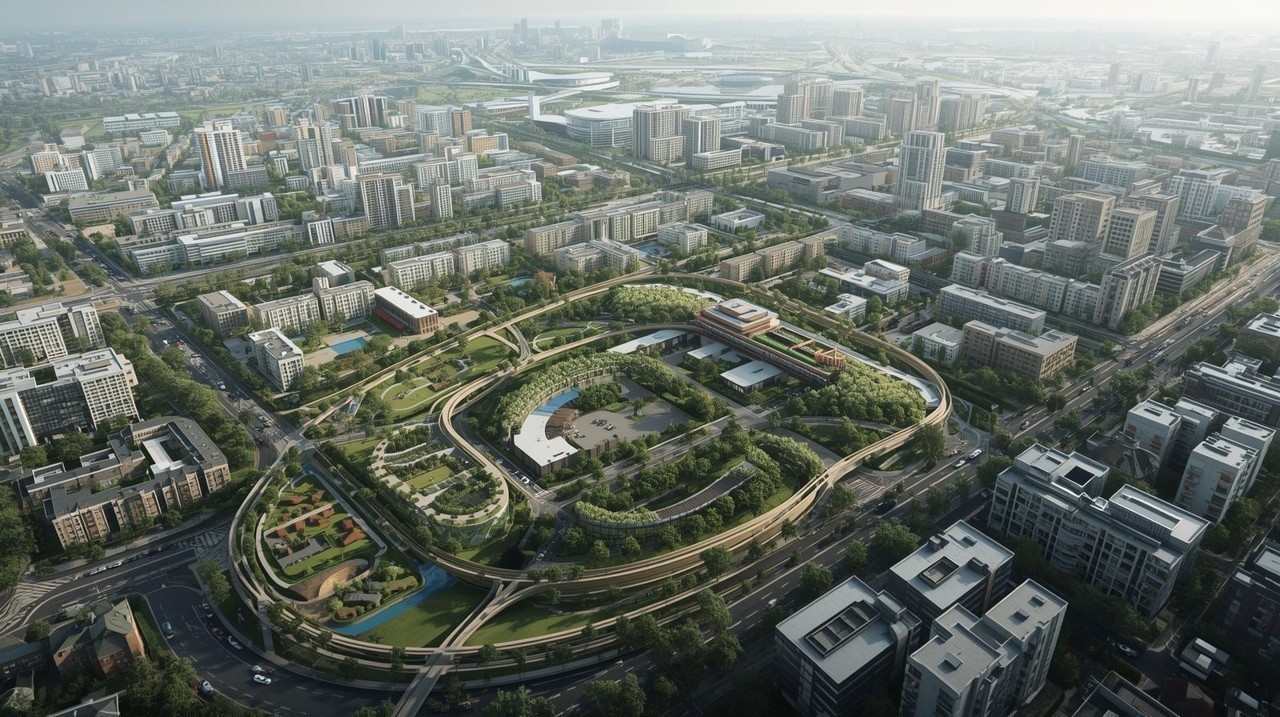
The Expo City Dubai project, repurposed as a sustainable smart city, continues to attract both tourists and residents, creating demand for residential and commercial properties. Similarly, Formula 1 in Abu Dhabi and Dubai Shopping Festival annually bring in visitors who fuel short-term accommodation demand and retail growth.
Long-Term Benefit: Tourism-related events lead to infrastructure upgrades—new roads, metro lines, and entertainment zones—all of which increase property values in nearby areas.
5. Tourism Driving Luxury Real Estate Demand
The influx of high-net-worth individuals and celebrities visiting Dubai has also boosted the luxury real estate market. Many tourists who come to the UAE for leisure or business often choose to invest in second homes or vacation properties after experiencing the lifestyle firsthand.
Neighborhoods like Palm Jumeirah, Dubai Hills Estate, and Emirates Hills have seen rising demand from international buyers looking for luxury villas and penthouses.
Trend Highlight: The Dubai Golden Visa initiative has made property ownership even more attractive, enabling long-term residency for investors who purchase high-value properties.
6. Expanding Tourism in Other Emirates
While Dubai remains the UAE’s tourism leader, other Emirates are emerging as strong contenders in the travel and real estate scene.
-
Abu Dhabi continues to attract culture-driven visitors through projects like Saadiyat Island and Louvre Abu Dhabi.
-
Ras Al Khaimah is gaining popularity as an eco-tourism and adventure destination, with beachfront resorts and mountain lodges in demand.
-
Sharjah focuses on heritage tourism, drawing families and educational travelers.
These shifts are leading to regional diversification in property investments, opening new opportunities beyond Dubai.
7. Infrastructure Development Supporting Growth
The UAE’s government has heavily invested in infrastructure projects that connect tourism with real estate.
Modern airports, metro systems, and highways make travel and commuting easier for residents and tourists alike. Developments such as Dubai Metro’s Route 2020, Etihad Rail, and new coastal resorts are improving accessibility to both urban and remote locations, increasing land and property value in surrounding areas.
8. Rise of Branded Residences and Serviced Apartments
Tourism has fueled the demand for branded residences—properties managed by luxury hotel chains offering five-star services to residents. These properties appeal to wealthy tourists and international investors who want a mix of comfort, convenience, and prestige.
In 2026, projects like The Address Residences, Bulgari Resort Residences, and Six Senses The Palm continue to attract global buyers seeking luxury investments with hospitality benefits.
9. Sustainable Tourism and Eco-Real Estate
As sustainability becomes central to the UAE’s tourism vision, developers are aligning their real estate strategies accordingly.
Eco-friendly resorts, solar-powered villas, and green building certifications are increasingly common. This green real estate trend not only reduces environmental impact but also attracts environmentally conscious tourists and investors.
Example: The Sustainable City in Dubai and Masdar City in Abu Dhabi showcase how tourism and sustainability can coexist profitably.
10. The Future of UAE Tourism and Real Estate
With the UAE targeting 40 million hotel guests annually by 2030, the demand for real estate infrastructure will continue to expand. New attractions like Dubai’s future entertainment islands and Abu Dhabi’s Saadiyat Cultural District will further integrate tourism and property growth.
Prediction: By 2026 and beyond, tourism will remain a primary growth driver for both commercial and residential real estate in the UAE, making it a top investment destination globally.
Conclusion
Tourism and real estate in the UAE share a symbiotic relationship—each driving the success of the other. As the nation continues to position itself as a global tourism hub, the demand for property investments, short-term rentals, and hospitality projects will only grow stronger.
For investors, this means one thing: the UAE’s thriving tourism industry is not just about travel—it’s about sustainable, long-term real estate opportunities that promise strong returns and stability in the years to come.