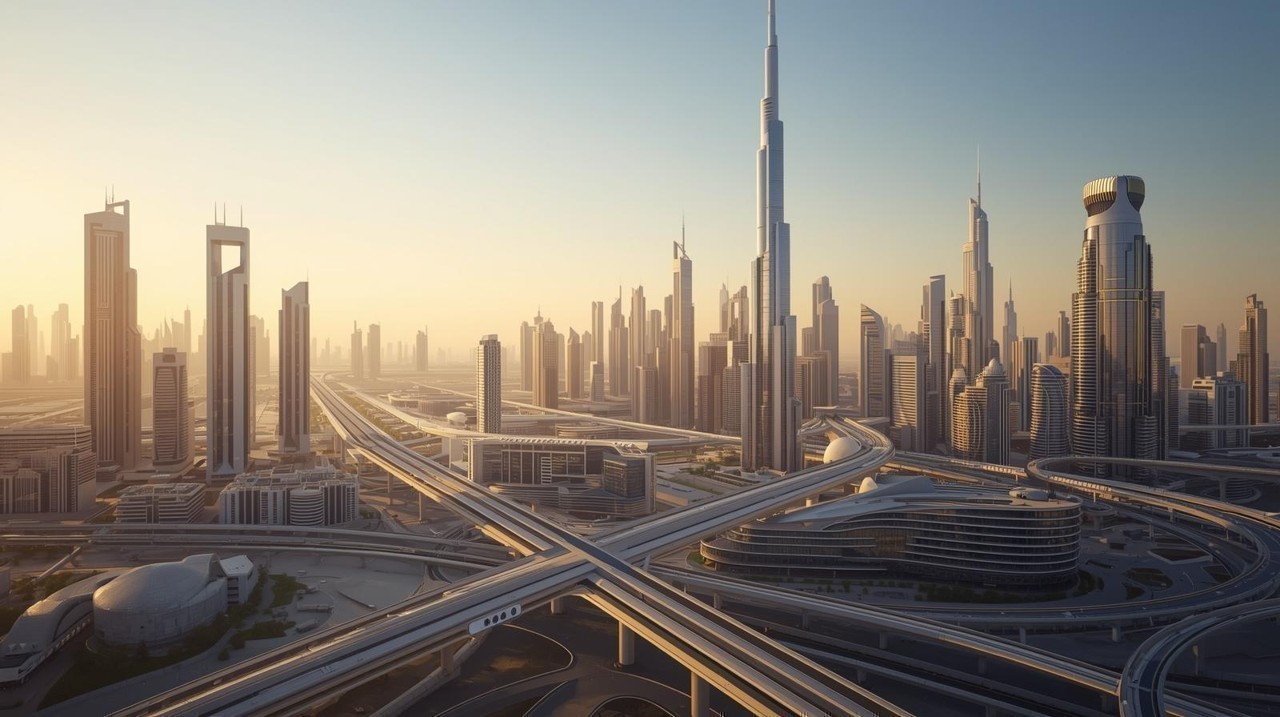
Dubai Real Estate Market Outlook Shows Strong Investor Confidence
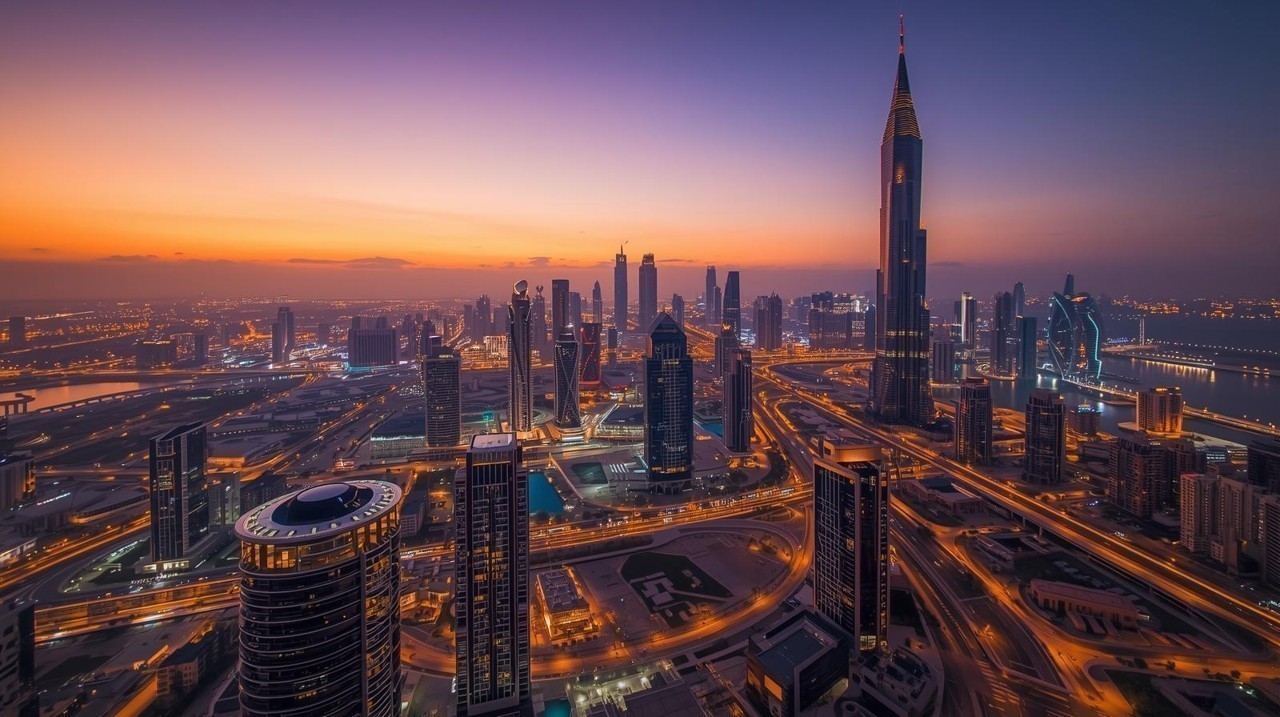
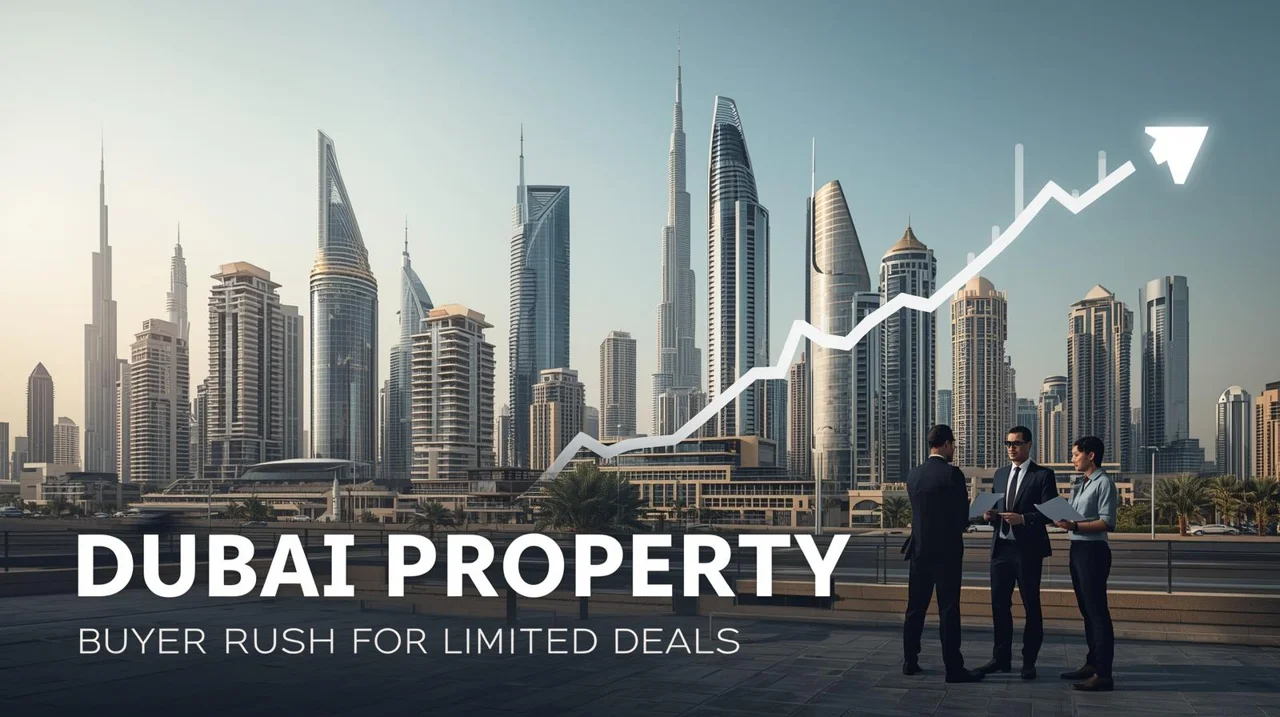
Dubai’s real estate market continues to demonstrate strong investor confidence, positioning itself as one of the most resilient and attractive property markets globally. Despite global economic uncertainty, Dubai has maintained steady growth driven by policy stability, foreign investment inflows, population growth, and a diversified economy. For investors, developers, and end-users alike, the outlook remains firmly positive.
Over the past few years, Dubai has successfully shifted from speculative cycles to a more regulated, transparent, and demand-driven property market. This structural maturity is a key reason why investor sentiment remains high going into the coming years.
Why Investor Confidence in Dubai Real Estate Remains Strong
One of the biggest confidence drivers is long-term residency and visa reforms. Golden Visas, retirement visas, and property-linked residency options have encouraged investors to view Dubai not just as a short-term investment destination, but as a long-term base. This has increased end-user demand alongside investor interest, creating healthier market dynamics.
Another important factor is regulatory clarity. Dubai’s real estate sector is governed by well-defined laws, escrow protections, and transparent transaction systems. This reduces risk and builds trust, especially for foreign buyers who prioritize legal security and predictable frameworks.
Dubai’s tax-friendly environment also plays a major role. With no property tax, no capital gains tax, and no income tax on rental yields, investors are able to retain a larger portion of their returns compared to many global cities.
Demand Driven by Population Growth and Global Migration
Dubai continues to attract professionals, entrepreneurs, and high-net-worth individuals from across the world. This steady population growth directly fuels demand for housing across multiple segments, including apartments, villas, and luxury residences.
Remote work trends and regional instability elsewhere have further strengthened Dubai’s appeal as a safe, business-friendly, and lifestyle-oriented city. Investors view this demographic expansion as a long-term demand guarantee, supporting rental income and capital appreciation.
Residential Market Performance and Buyer Preferences
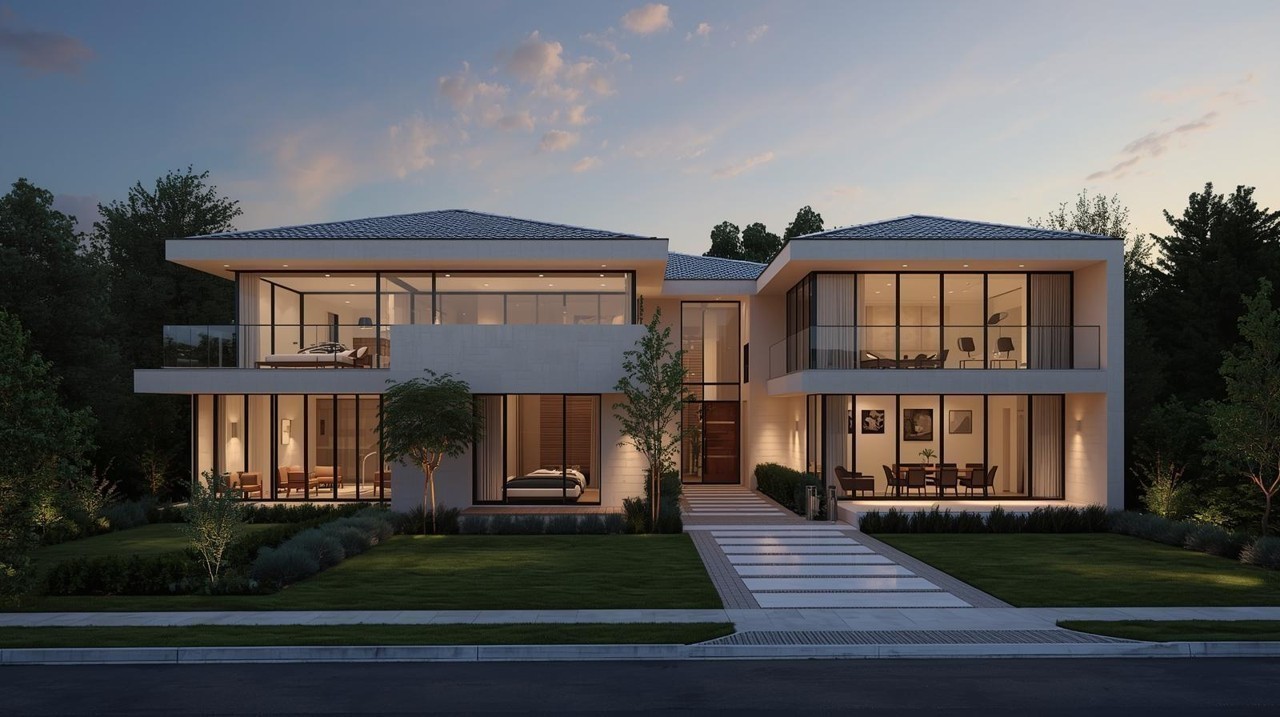
Residential real estate remains the backbone of Dubai’s property market. Apartments in well-connected areas continue to see strong interest, particularly from investors focused on rental yields. At the same time, villas and townhouses have experienced sustained demand from families seeking larger living spaces and long-term stability.
Buyers are increasingly prioritizing community living, amenities, and accessibility. Developments offering schools, green spaces, retail access, and transport connectivity are outperforming standalone projects. This shift reflects a more end-user-driven market, which investors consider healthier and more sustainable.
Luxury and High-End Segment Shows Resilience
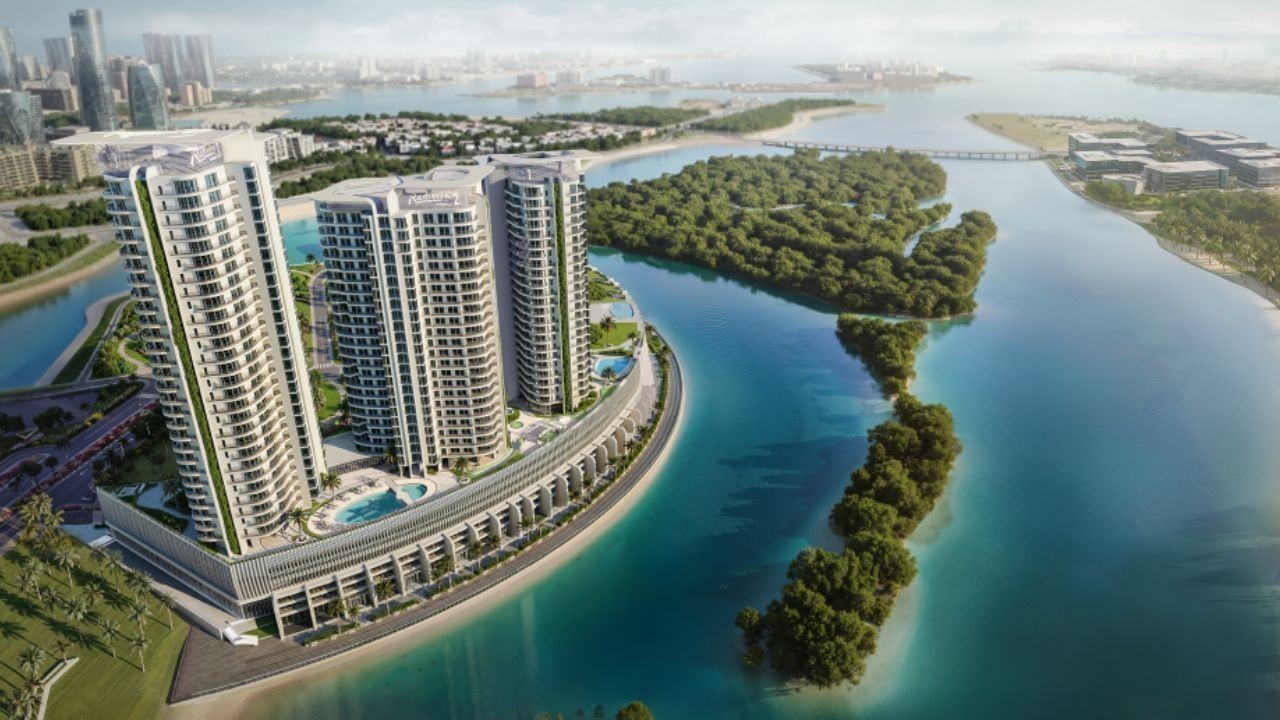
The luxury property segment continues to be a standout performer. High-net-worth investors are drawn to Dubai’s waterfront properties, branded residences, and ultra-premium developments. These buyers are less sensitive to short-term market fluctuations and focus on lifestyle value, exclusivity, and long-term asset preservation.
International buyers from Europe, Asia, and the Middle East see Dubai luxury real estate as a safe-haven asset, especially during periods of global financial uncertainty.
Commercial Real Estate and Business Confidence
Beyond residential property, Dubai’s commercial real estate sector also reflects strong confidence. Office spaces, logistics hubs, and mixed-use developments are benefiting from business expansion, startup growth, and multinational company relocations.
Flexible workspaces, free-zone offices, and strategically located commercial properties continue to attract investors seeking diversification beyond residential assets. This balanced growth across sectors reinforces confidence in the overall real estate ecosystem.
Role of Infrastructure and Government Vision
Dubai’s long-term urban planning and infrastructure investments play a critical role in sustaining investor confidence. Ongoing development of transport networks, smart city initiatives, and large-scale master communities signal continued government commitment to growth.
Major projects aligned with Dubai’s economic vision reassure investors that demand is being supported by planned expansion rather than speculation.
Rental Yields and Return Expectations
Dubai remains attractive for its competitive rental yields, especially when compared to other global real estate hubs. Consistent rental demand, combined with favorable ownership costs, supports stable income generation.
Investors are increasingly adopting medium- to long-term strategies, focusing on rental performance rather than quick resale gains. This shift contributes to reduced volatility and stronger market fundamentals.
Risk Awareness and Market Maturity
While confidence is strong, investors are also more informed and selective. Location, developer reputation, project delivery timelines, and demand sustainability are key considerations. This cautious optimism reflects a maturing investor base rather than blind enthusiasm.
The presence of experienced investors and institutional interest further strengthens the market’s credibility and resilience.
Outlook for the Coming Years
Looking ahead, Dubai’s real estate market is expected to remain supported by economic diversification, global connectivity, and investor-friendly policies. While price growth may vary across segments, overall confidence is unlikely to weaken as long as population growth and business inflows continue.
For investors, Dubai is increasingly viewed as a long-term wealth preservation and income-generating market, rather than a short-term speculative play.
Conclusion
Dubai’s real estate market outlook reflects sustained investor confidence built on strong fundamentals, regulatory clarity, and global appeal. As demand continues to be driven by real users, international migration, and economic expansion, the market is positioned to remain stable and attractive in the years ahead.
Disclaimer: This article is for informational purposes only and does not constitute financial or investment advice. Market conditions may change, and readers should conduct independent research before making investment decisions.