Top Real Estate Trends Investors Should Watch in 2025
The real estate market is constantly evolving, influenced by economic shifts, technological advancements, and changing consumer preferences. For investors, staying ahead of emerging trends is essential to make smart investment decisions and maximize returns. In 2025, several key trends are shaping the market, offering opportunities for both seasoned and new investors.
1. Rise of Sustainable and Green Buildings
Sustainability is no longer just a buzzword—it has become a core factor in real estate investment. Properties that comply with green building standards such as energy efficiency, reduced carbon footprint, and environmentally friendly materials are increasingly in demand.
Impact for investors:
-
Higher long-term value and rental demand due to energy savings and environmental appeal.
-
Regulatory incentives and tax benefits in many regions.
-
Attracts tenants and buyers seeking eco-conscious living and working spaces.
Investors focusing on sustainable developments are likely to see better returns and more resilient property portfolios.
2. Growth of Alternative Property Types
Traditional residential and commercial properties are being complemented by alternative real estate sectors. These include:
-
Data centers supporting the digital economy.
-
Industrial and logistics hubs driven by e-commerce.
-
Life sciences and healthcare facilities as demand for specialized spaces increases.
Impact for investors:
Alternative properties often offer higher yields and stable long-term income, especially in markets with strong technological or healthcare growth.
3. Technology Integration in Real Estate
Technology continues to transform the way properties are developed, managed, and marketed. Key trends include:
-
PropTech solutions for property management and tenant engagement.
-
Smart buildings with IoT devices for energy efficiency, security, and comfort.
-
Virtual reality and AI for property visualization and predictive analytics.
Impact for investors:
Investing in properties that leverage technology for efficiency and tenant satisfaction can increase both rental income and property value.
4. Flexible Work and Residential Spaces
The rise of remote and hybrid work has changed real estate demand patterns. Investors are noticing increased interest in:
-
Co-working spaces and serviced offices.
-
Homes designed for remote work, with office spaces and high-speed connectivity.
-
Mixed-use developments that combine living, working, and leisure spaces.
Impact for investors:
Properties catering to flexible lifestyles are attracting premium rents and higher occupancy rates.
5. Urban Revitalization and Secondary Cities
Major metropolitan areas are seeing high property costs and saturation, prompting investors to explore:
-
Secondary cities with growth potential.
-
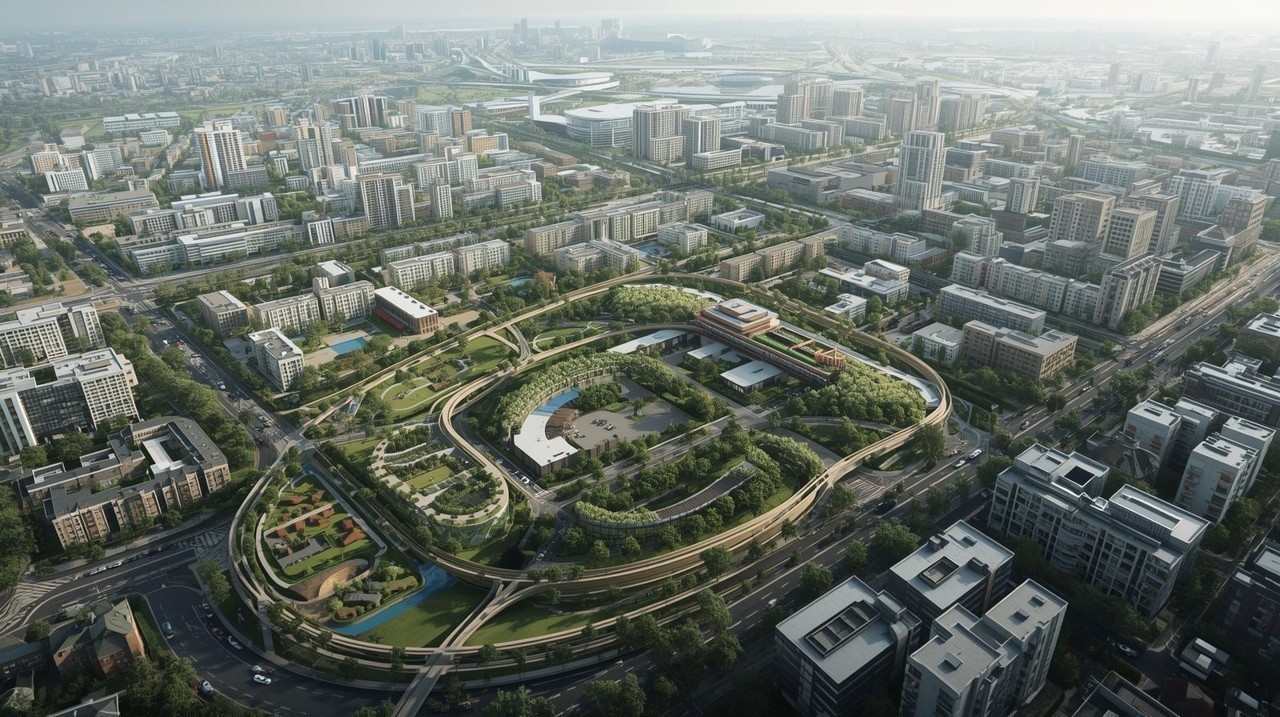
Urban redevelopment projects revitalizing older districts.
Impact for investors:
Investing in emerging urban areas can offer better appreciation potential and lower entry costs compared to prime city centers.
6. Rising Interest in Short-Term Rentals
Short-term rental platforms continue to shape the residential market. Properties in tourist-friendly or business travel hubs are in demand.
Impact for investors:
-
Higher rental yields compared to traditional long-term leases.
-
Need for professional management to maintain occupancy and compliance with regulations.
-
Opportunity to diversify income streams within a real estate portfolio.
7. Focus on Health and Wellness Amenities
Post-pandemic, buyers and tenants increasingly value health-focused amenities in residential and commercial properties:
-
Fitness centers, outdoor spaces, and walking trails.
-
Improved ventilation and natural lighting.
-
On-site wellness services or community areas.
Impact for investors:
Properties with wellness-oriented features command higher rents and attract long-term tenants, enhancing portfolio stability.
8. Inflation and Interest Rate Considerations
Economic factors like inflation and interest rates directly impact property investment:
-
Rising rates may reduce borrowing capacity, influencing buyer demand.
-
Inflation can increase construction costs but also property values over time.
Impact for investors:
Understanding macroeconomic trends is crucial for timing investments and financing strategies effectively.
Conclusion
The real estate market in 2025 presents both challenges and opportunities. Investors who focus on sustainable buildings, technology integration, flexible spaces, and emerging markets are likely to achieve strong returns. By monitoring interest rates, demographic shifts, and lifestyle trends, property investors can make informed decisions and stay ahead in an increasingly competitive market.
Whether you are considering residential, commercial, or alternative property types, keeping an eye on these top real estate trends ensures your investments remain profitable and future-proof.