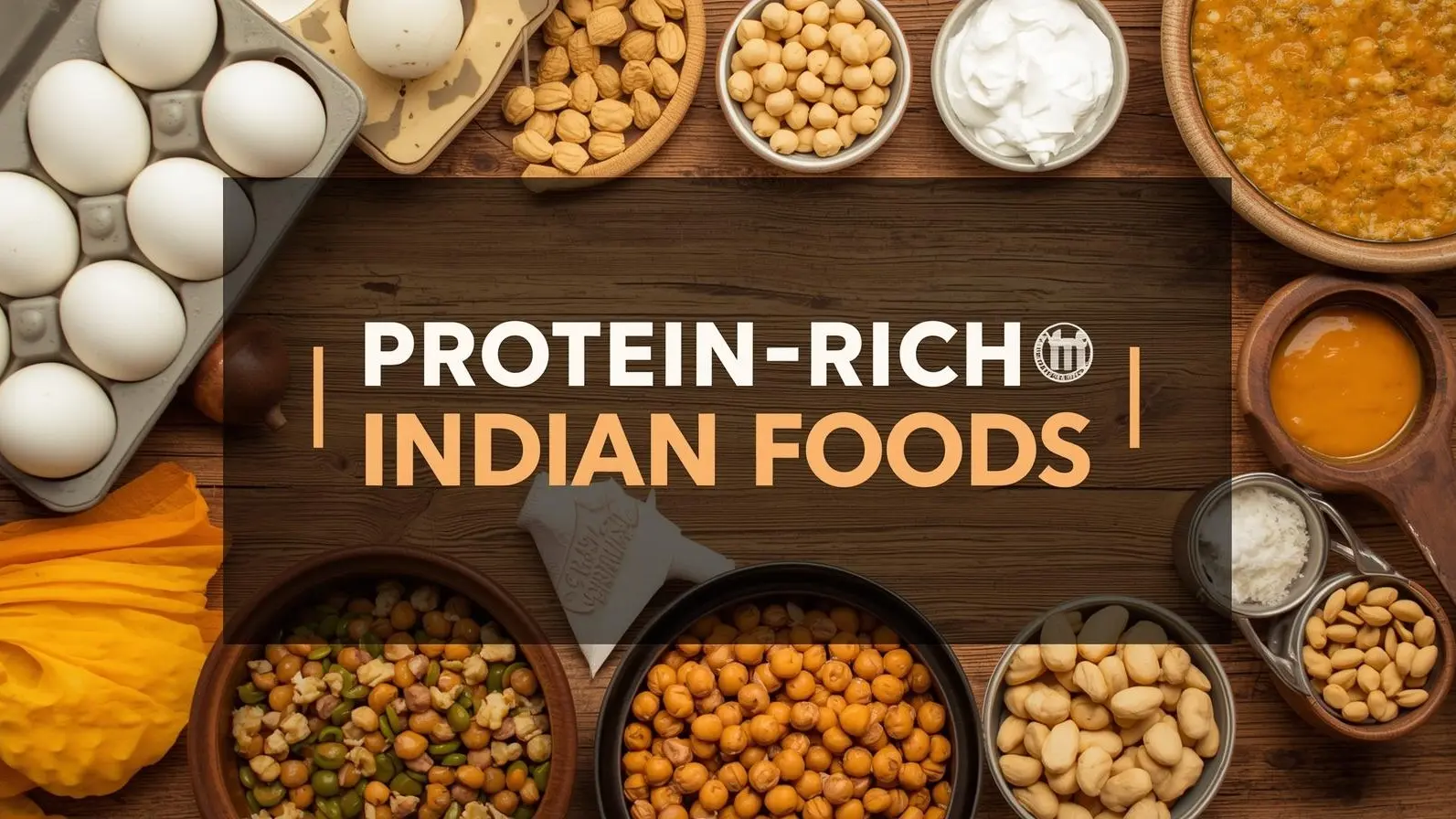
Why protein-rich Indian foods matter more than you think
When people talk about fitness, muscle gain, or even general health, one word always comes up—protein. It plays a major role in building muscles, repairing tissues, improving immunity, and keeping you full for longer. Yet, many people in India still struggle with low daily protein intake, mainly because they believe protein only comes from expensive supplements.
The reality is very different. Your everyday kitchen already has plenty of natural protein sources that are affordable, easy to cook, and perfectly suited for a balanced Indian diet. You don’t need fancy powders or imported foods—just a few smart additions and better meal planning.
In this article, we’ll explore 7 protein-rich Indian foods that you can easily include in your daily routine to build a high-protein diet without supplements.
1. Eggs – The simplest and most complete protein source
Eggs are often called a complete protein food, and for a good reason. They contain all essential amino acids your body needs. One egg gives you around 6 grams of high-quality protein along with vitamins and healthy fats.
The best part about eggs is their versatility. You can eat them boiled, scrambled, or as an omelette. They are quick to prepare and fit perfectly into a high-protein breakfast.
If you are trying to increase your protein intake naturally, adding 2–4 eggs daily can make a noticeable difference. They also help in keeping you full, which reduces unnecessary snacking and supports weight management.
2. Paneer – The king of vegetarian protein
For vegetarians, paneer (cottage cheese) is one of the best sources of protein. It is rich, filling, and easy to include in different meals.
Paneer is not just about protein—it also provides calcium, which is essential for strong bones. Whether you add it to sabzi, make paneer bhurji, or include it in salads, it fits perfectly into a vegetarian high-protein diet.
Another advantage is that paneer digests slowly, which means it keeps you full for longer and helps maintain steady energy levels throughout the day.
3. Dal (Lentils) – The backbone of Indian protein intake
No Indian meal feels complete without dal. It is one of the most common and accessible plant-based protein sources.
Different types of dal offer different nutritional benefits:
- Moong dal (light and easy to digest)
- Masoor dal (rich in nutrients)
- Toor dal (commonly used in daily meals)
When you combine dal with rice or roti, it forms a more complete protein. This combination has been part of Indian diets for generations and remains one of the best ways to maintain a balanced diet.
Eating dal daily is one of the easiest ways to improve your protein intake without supplements.
4. Chickpeas (Chana) – A powerful and filling protein food
Chickpeas are not just tasty—they are also highly nutritious. They are rich in protein, fiber, and essential minerals.
You can include chickpeas in many ways:
- Boiled chana as a snack
- Chole curry with roti or rice
- Chana salad for a healthy option
Because they are high in fiber, chickpeas help in digestion and keep you full for longer. This makes them ideal for those looking for healthy weight loss foods while still maintaining a good protein intake.
5. Soya Chunks – The most underrated high-protein food
If you are looking for a budget-friendly protein source, soya chunks are one of the best options available.
They are extremely high in protein compared to most vegetarian foods. Despite this, many people don’t include them regularly in their diet.
Soya chunks can be cooked in curries, pulao, or even used in snacks. They absorb flavors well and can easily become part of your regular meals.
For anyone trying to build a high-protein diet on a budget, soya chunks are a must-have.
6. Curd (Dahi) – Simple, cooling, and nutritious
Curd is one of the most common foods in Indian households, but many people overlook its protein content.
It not only provides protein but also supports gut health due to its probiotic properties. A healthy gut improves digestion and helps your body absorb nutrients better.
You can include curd in your diet as:
- Plain dahi with meals
- Raita with vegetables
- Smoothies or lassi
Adding curd daily is a simple way to improve both your protein intake and overall health.
7. Peanuts – Small snack, big protein boost
Peanuts are often seen as a simple snack, but they are actually a great source of protein and healthy fats.
They are affordable, easily available, and can be consumed in different forms:
- Roasted peanuts
- Peanut chaat
- Peanut butter
Peanuts are perfect for mid-day hunger and can replace unhealthy snacks like chips or biscuits. Including them in your diet supports a high-protein Indian diet without increasing your budget.
How to combine these foods for a high-protein daily diet
Knowing the foods is one thing, but using them correctly is what makes the real difference.
Here’s a simple example of a high-protein meal plan:
- Breakfast: Eggs or paneer with roti
- Lunch: Dal + rice + curd
- Snack: Peanuts or chana
- Dinner: Soya chunk curry or paneer sabzi
By spreading protein across all meals, you ensure better absorption and steady energy throughout the day.
Common mistakes people make with protein intake
Even when people try to eat healthy, they often miss out on protein due to small mistakes:
- Eating too many carbs and very little protein
- Skipping protein in breakfast
- Relying only on one protein source
- Ignoring portion sizes
Avoiding these mistakes can help you maintain a proper daily protein balance.
Keep it simple and consistent
You don’t need expensive supplements or complicated diets to meet your protein needs. With everyday foods like eggs, paneer, dal, chickpeas, and peanuts, you can easily build a strong and healthy body.
The key is consistency. Small changes in your daily meals can lead to big results over time. Focus on adding protein to every meal, and your body will thank you with better energy, strength, and overall health.
Disclaimer
This article is for informational purposes only and does not substitute professional medical or nutritional advice. Individual protein requirements may vary based on age, activity level, and health conditions. It is recommended to consult a qualified healthcare or nutrition expert before making major dietary changes.