8 Protein-Rich Vegetarian Foods for Muscle Gain
Building muscle on a vegetarian diet is often misunderstood. Many people believe that without meat, it becomes difficult to gain muscle mass. However, this is not true. With the right food choices, proper planning, and consistency, you can easily achieve your fitness goals. In fact, many athletes and fitness enthusiasts successfully rely on high-protein vegetarian foods for muscle gain to build strength and endurance.
Muscle growth depends on two key factors—resistance training and nutrition. While workouts create the stimulus for muscle growth, your diet provides the building blocks needed for repair and development. Protein plays a central role in this process, as it helps repair damaged muscle fibers and supports the growth of new ones. For vegetarians, the key is to include a variety of protein-rich foods that together provide all essential amino acids.
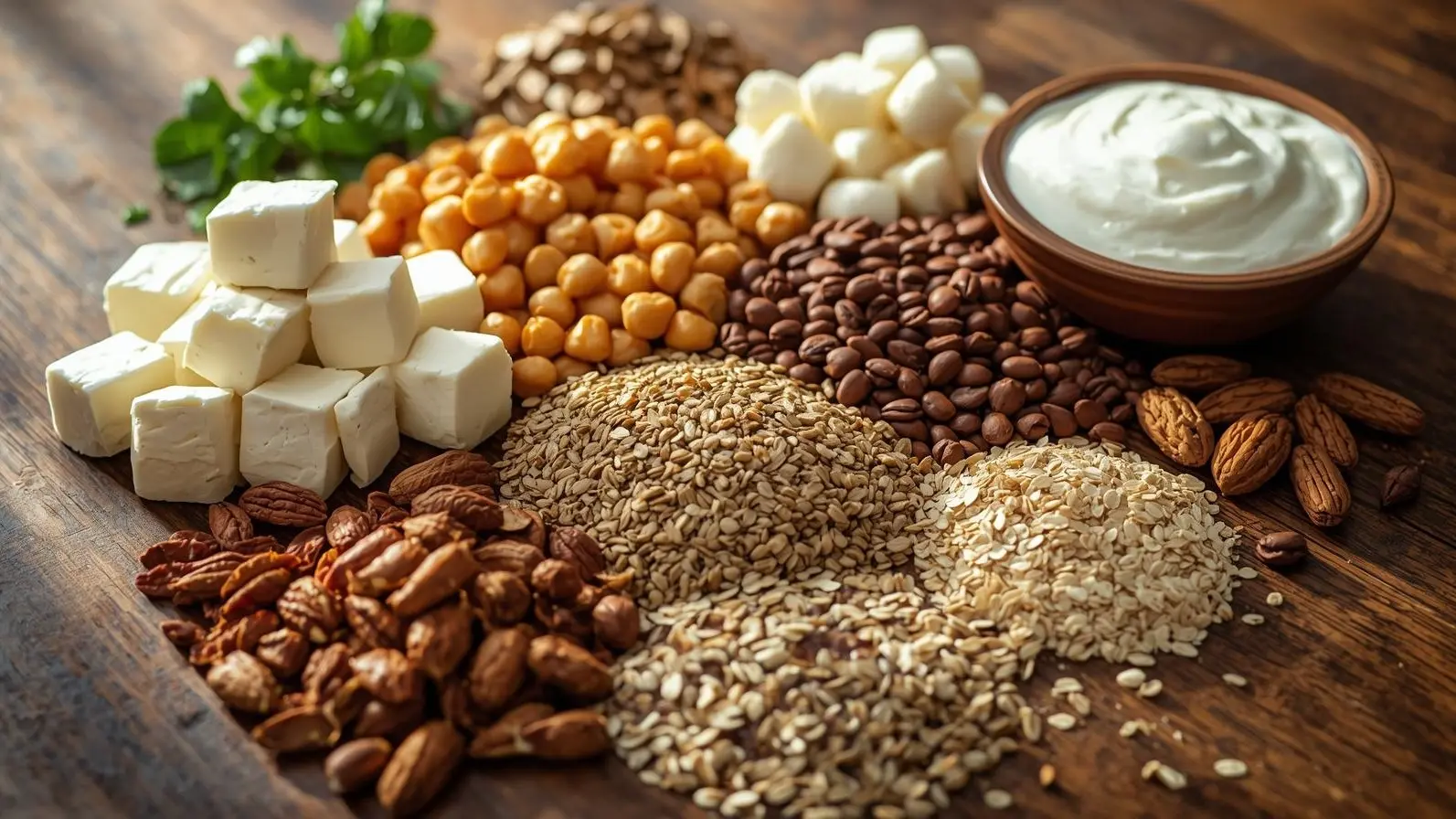
Let’s explore some of the best vegetarian foods that can support your muscle-building journey.
Lentils (Dal): The Everyday Protein Foundation
Lentils are one of the most widely consumed vegetarian foods, especially in countries like India. They are rich in protein, fiber, iron, and other essential nutrients, making them a strong foundation for a muscle-building diet.
What makes lentils especially useful is their versatility. They can be prepared in multiple ways—soups, curries, or even salads. While lentils are not a complete protein on their own, combining them with grains like rice or roti creates a complete amino acid profile. This combination supports muscle recovery and sustained energy levels, which are essential after intense workouts.
Regular consumption of lentils ensures that your body gets a steady supply of nutrients required for both performance and recovery.
Paneer: Slow-Digesting Protein for Muscle Repair
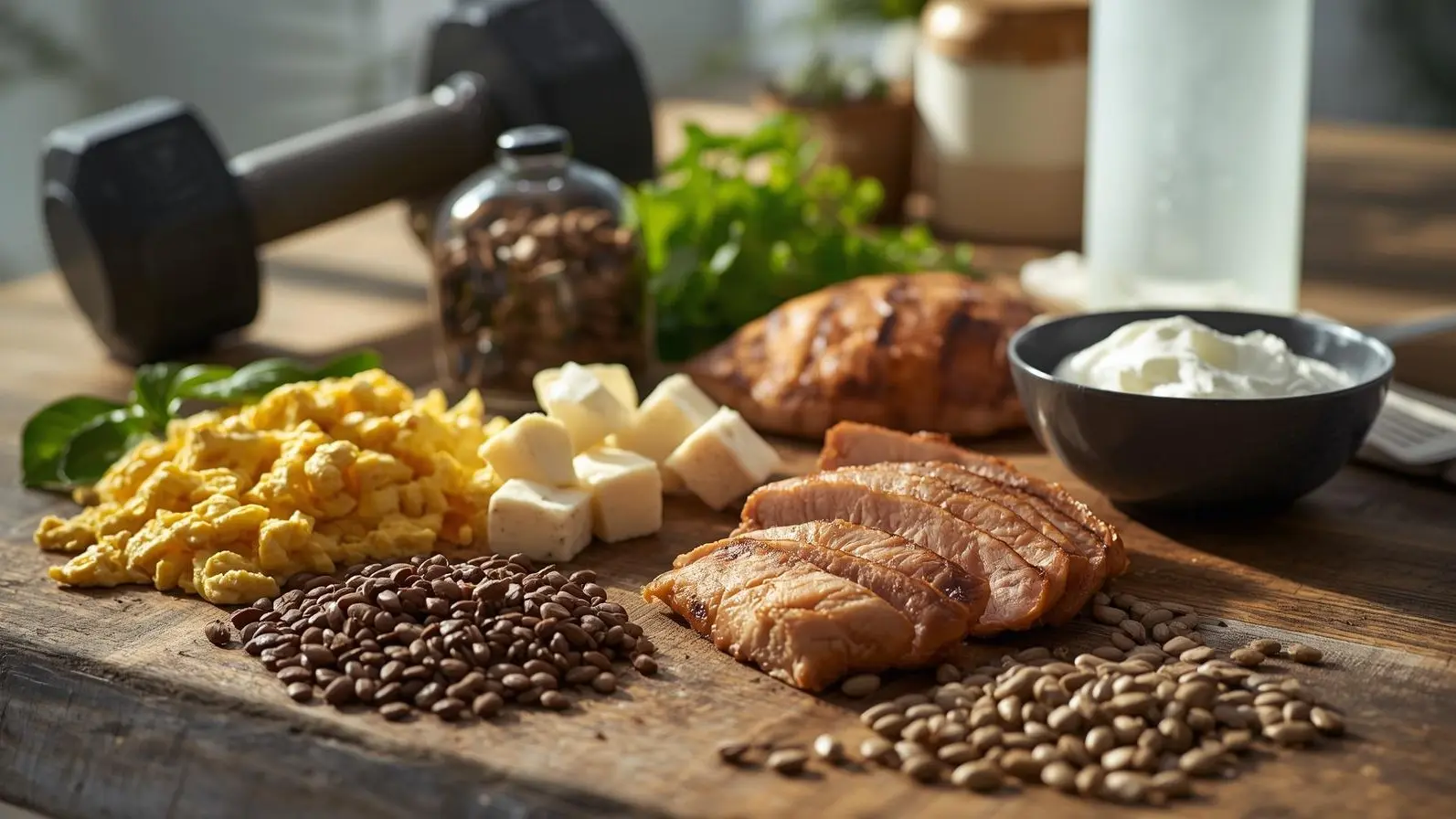
Paneer is one of the most powerful vegetarian protein sources available. It is rich in casein protein, which digests slowly in the body. This slow digestion helps provide a continuous supply of amino acids to your muscles over several hours.
This makes paneer particularly beneficial when consumed at night or between meals, as it prevents muscle breakdown and supports recovery. In addition to protein, paneer also provides calcium and healthy fats, which are important for bone strength and overall health.
Including paneer in your diet supports lean muscle development and long-lasting satiety, making it a valuable addition to any vegetarian fitness plan.
Chickpeas (Chana): Balanced Nutrition for Strength
Chickpeas are another excellent plant-based protein source that offers a balance of protein, carbohydrates, and fiber. This combination makes them ideal for maintaining energy levels while also supporting muscle growth.
Chickpeas are particularly useful for people who engage in regular physical activity, as they provide both fuel and recovery support. They can be consumed as salads, curries, or snacks like roasted chana.
Their ability to keep you full for longer also helps in maintaining a balanced diet, which is important for achieving lean muscle mass without unnecessary fat gain.
Soy Products: The Complete Vegetarian Protein
Soy-based foods such as tofu, soy chunks, and soy milk are among the few plant-based sources that provide complete protein. This means they contain all nine essential amino acids required for muscle growth.
Because of this, soy products are often considered one of the best options for vegetarian muscle building diets. They are also highly versatile and can be included in a variety of dishes, from curries to stir-fries.
Soy protein is particularly beneficial for those who want to increase their protein intake without relying on dairy products. It supports muscle repair, improves strength, and contributes to overall performance.
Greek Yogurt and Curd: Protein with Digestive Benefits
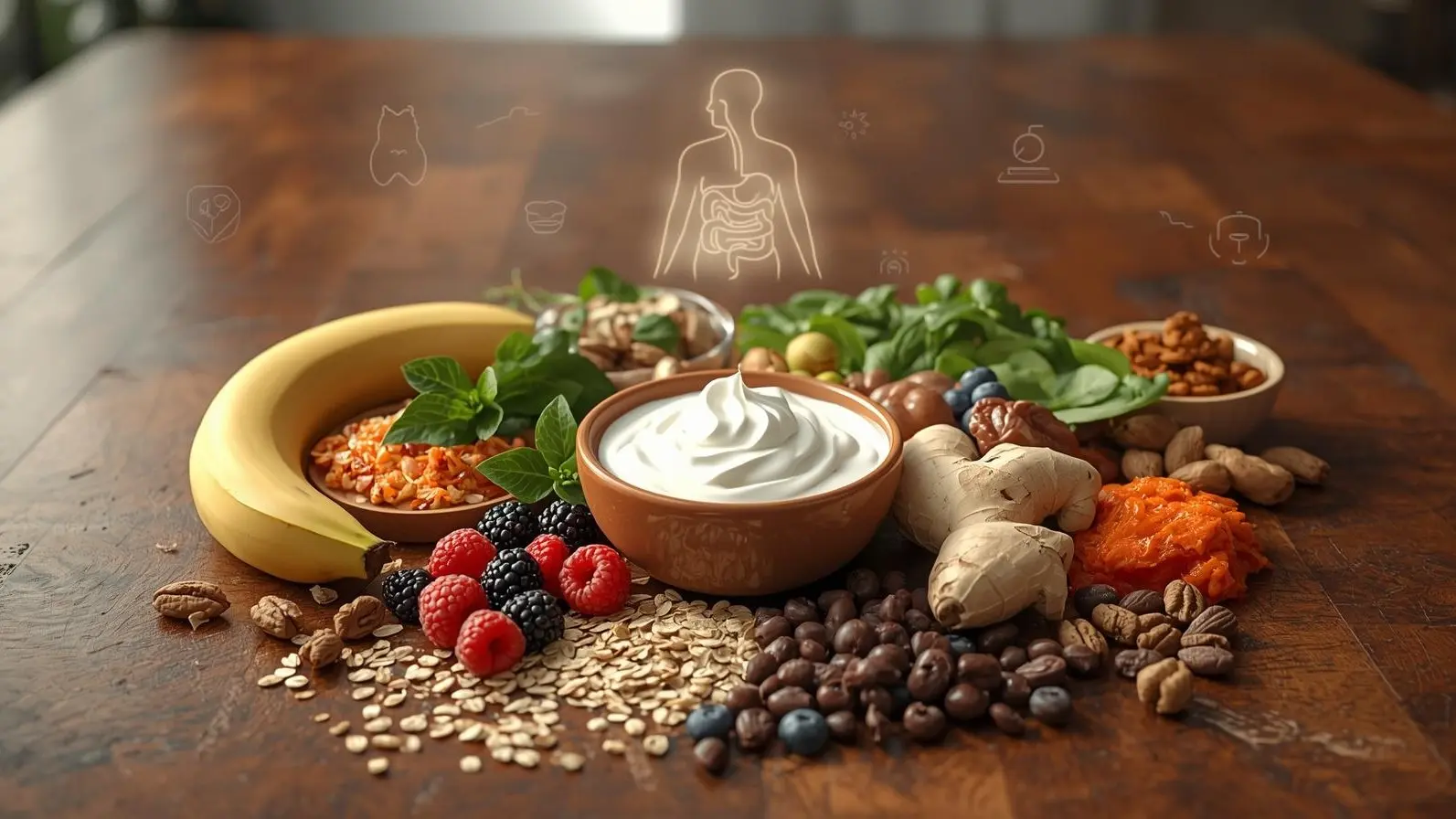
Curd or Greek yogurt is a simple yet effective addition to a vegetarian diet. It provides a good amount of protein along with probiotics, which support gut health.
A healthy digestive system is essential for proper nutrient absorption. Even if you consume protein-rich foods, your body will not benefit fully if digestion is poor. This is why including curd in your daily meals supports muscle recovery and improved nutrient absorption.
It can be consumed as a side dish, snack, or post-workout meal, making it both convenient and beneficial.
Nuts and Seeds: Compact Sources of Protein and Healthy Fats
Nuts and seeds like almonds, peanuts, chia seeds, and flaxseeds are small in size but rich in nutrients. They provide protein, healthy fats, and essential vitamins, making them ideal for supporting muscle growth.
These foods are especially useful for increasing calorie intake in a healthy way, which is important for those trying to gain muscle. They can be added to smoothies, oatmeal, or eaten as snacks throughout the day.
Including nuts and seeds helps in boosting daily protein intake naturally while also supporting heart health and energy levels.
Quinoa: A Unique High-Protein Grain
Quinoa is often referred to as a superfood because of its nutritional profile. Unlike most grains, quinoa contains all essential amino acids, making it a complete protein source.
It is also rich in fiber, iron, and magnesium, which are important for overall health and performance. Quinoa can be used as a substitute for rice or added to salads for extra nutrition.
Its unique combination of nutrients makes it highly effective for complete vegetarian protein nutrition and muscle support.
Oats: Energy and Protein in One Meal
Oats are a popular breakfast choice, but they are also highly beneficial for muscle gain. They provide a combination of protein, complex carbohydrates, and fiber, which helps maintain energy levels throughout the day.
Oats are particularly useful before workouts, as they provide sustained energy without causing a sudden spike in blood sugar levels. They can be combined with milk, nuts, and seeds to create a balanced and nutritious meal.
Regular consumption of oats supports improved workout performance and muscle growth by providing both fuel and nutrients.
How to Combine These Foods for Maximum Results
While each of these foods is beneficial on its own, the real power lies in combining them effectively. A balanced vegetarian diet includes a mix of grains, legumes, dairy, and plant-based proteins.
For example, pairing lentils with rice, adding paneer to meals, or combining oats with nuts and seeds can significantly improve your overall protein intake. This approach ensures that your body receives all essential amino acids required for muscle growth.
Consistency in diet, along with proper meal timing, plays a crucial role in achieving sustainable muscle gain on a vegetarian diet.
Common Mistakes to Avoid
Many people struggle with muscle gain not because of lack of effort, but due to common mistakes. One of the biggest mistakes is not consuming enough protein throughout the day. Another is relying too heavily on one food source instead of maintaining variety.
Skipping meals, ignoring hydration, and not aligning diet with workout intensity can also slow down progress. Avoiding these mistakes helps in maintaining a steady path toward effective muscle building and strength development.
Disclaimer
This article is for informational purposes only and is not a substitute for professional dietary advice. Nutritional needs may vary based on individual goals and health conditions. Consult a qualified nutritionist for personalized guidance.