5 Foods You Should Never Drink Water With: How Timing Affects Digestion
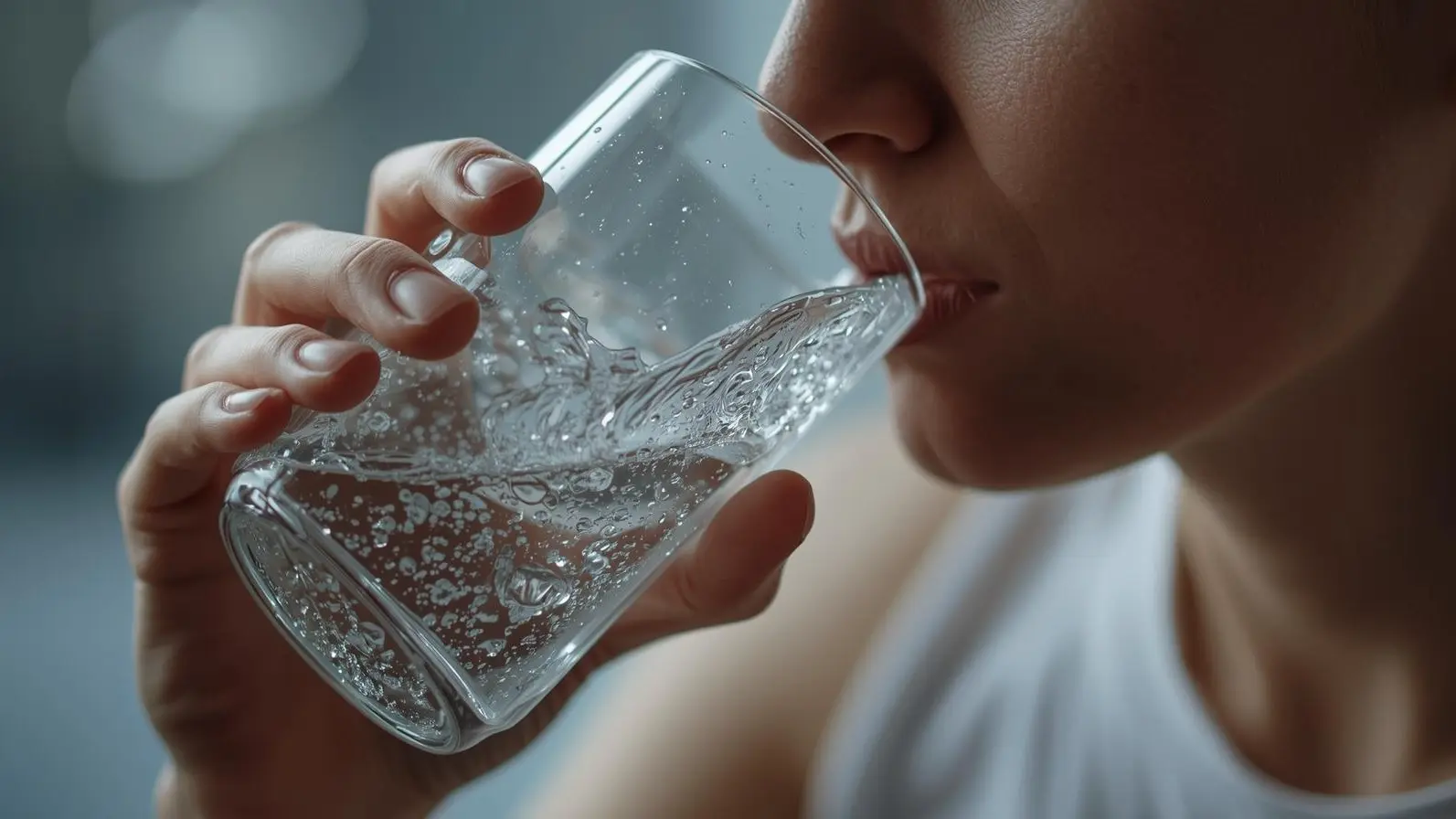
Drinking water is one of the healthiest habits a person can have. It keeps the body hydrated, supports metabolism, helps regulate body temperature, and plays a major role in overall health. But while water itself is essential, when you drink it can sometimes affect how your body digests certain foods.
Many people have heard warnings like “don’t drink water immediately after eating fruit” or “avoid cold water during meals,” but the internet is filled with mixed opinions and confusing advice. Some claims are exaggerated, while others are based on real digestive principles that health experts and nutritionists often discuss.
The truth is that water does not suddenly become harmful when consumed with food. However, drinking large amounts of water at the wrong time may sometimes affect digestion, stomach comfort, or nutrient absorption in certain individuals—especially when paired with specific foods.
Understanding how hydration and digestion work together can help people avoid common digestive discomforts like bloating, acidity, heaviness, and indigestion.
Here are five types of foods where timing your water intake more carefully may help support smoother digestion.
1. Citrus Fruits and Water: Why Immediate Drinking May Cause Acidity for Some People
Fruits like oranges, lemons, sweet lime, and grapefruit are naturally acidic. They are rich in vitamin C and offer many health benefits, but drinking large amounts of water immediately after consuming citrus fruits may sometimes increase feelings of acidity or stomach discomfort in sensitive individuals.
This happens because acidic fruits already stimulate digestive acids in the stomach. Quickly adding excess water—especially cold water—may dilute digestive enzymes temporarily and create a feeling of bloating or mild indigestion in some people.
Not everyone experiences this problem, but individuals prone to acid reflux, sensitive digestion, or gastritis may notice discomfort more often.
A better approach is allowing a short gap before drinking large amounts of water after eating highly acidic fruits.
2. Watermelon and Water: Why Timing Matters
Watermelon contains a very high amount of water naturally. Because of this, some nutrition experts recommend avoiding excessive water immediately after eating large quantities of watermelon.
The concern is not toxicity or danger, as some viral myths claim. Instead, drinking too much extra water immediately may sometimes slow digestion or increase bloating in people with sensitive stomachs.
Watermelon digests relatively quickly compared to heavier meals. Flooding the stomach with additional liquid right away may contribute to temporary digestive discomfort in some cases.
Moderation and timing are usually the key factors here rather than strict avoidance.
3. Fried and Oily Foods With Cold Water
One of the most commonly discussed food combinations involves fried foods and cold water.
Heavy oily meals already take longer to digest because fats require more digestive effort from the body. Drinking large amounts of ice-cold water immediately during or after such meals may sometimes make digestion feel slower or heavier for some individuals.
Cold temperatures can temporarily affect how fats behave inside the digestive system, potentially contributing to bloating or discomfort in sensitive people.
This does not mean drinking water with oily food is “dangerous,” but warm or room-temperature water is often considered gentler on digestion after heavy meals.
People who frequently experience heaviness, indigestion, or bloating after fast food meals may notice a difference by adjusting water temperature and timing.
4. Sweet Foods and Excess Water Consumption
Sugary desserts, sweets, pastries, and high-sugar foods can already create rapid blood sugar spikes in the body. Drinking large amounts of water immediately after consuming very sugary foods may sometimes affect digestion speed and stomach comfort.
In some people, this combination may increase feelings of bloating or fullness, especially after heavy desserts eaten late at night.
Additionally, many sugary foods are already low in fiber and digest quickly. Excessive liquid immediately afterward may contribute to temporary digestive imbalance or discomfort.
Again, the issue is not that water becomes unhealthy—it is more about portion control and digestive comfort.
5. High-Protein Meals and Excessive Water Intake
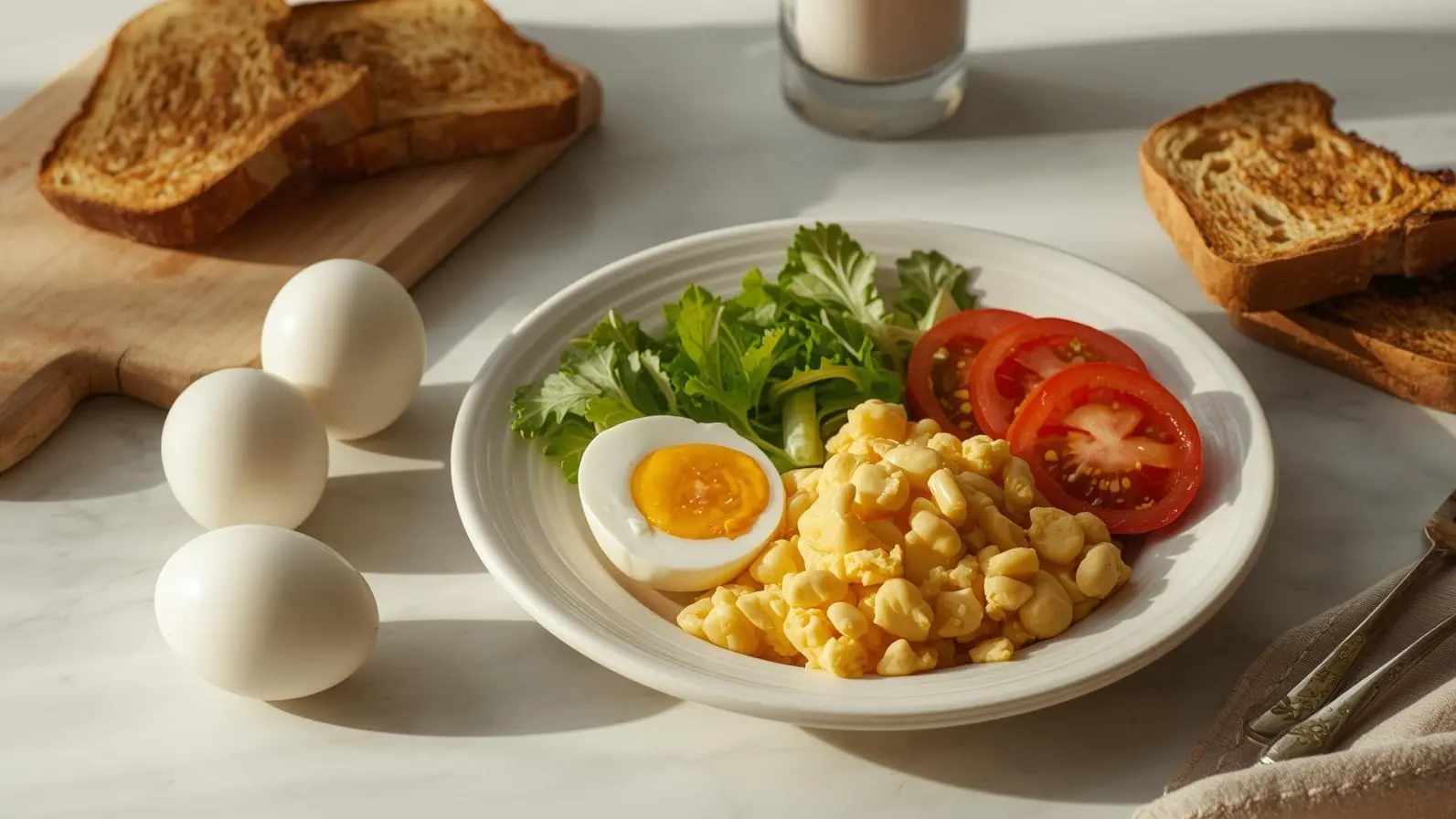
Protein-rich foods like meat, eggs, fish, and certain legumes require stronger digestive activity because proteins take longer to break down compared to lighter foods.
Some digestive experts recommend avoiding extremely large amounts of water during heavy protein-rich meals because it may temporarily dilute stomach acids and digestive enzymes involved in protein digestion.
This does not mean people should avoid hydration during meals entirely. Small sips are generally fine for most healthy individuals.
However, drinking excessive amounts rapidly while eating a very heavy protein meal may contribute to bloating or sluggish digestion in some cases.
Balanced hydration throughout the day is usually more effective than consuming huge quantities all at once during meals.
Does Drinking Water During Meals Actually Harm Digestion?
One of the biggest myths online is that drinking water with meals completely “destroys digestion.” This is not scientifically accurate.
For most healthy people, moderate water intake during meals is completely normal and generally safe.
In fact, small amounts of water can:
- Help swallowing
- Support digestion
- Soften food
- Improve nutrient movement through the digestive tract
Problems usually arise only when:
- Excessive water is consumed rapidly
- Very cold water is used with heavy meals
- People already have digestive sensitivities
The body is designed to adapt to varying fluid intake. Digestion is influenced by many factors including meal size, food type, eating speed, stress levels, and overall gut health.
Why Digestive Sensitivity Differs Between People
Not everyone reacts to food and water timing the same way.
Some individuals can drink water freely during meals without any discomfort, while others experience bloating, acidity, or heaviness more easily.
Factors influencing digestion include:
- Metabolism
- Existing digestive conditions
- Meal size
- Food combinations
- Eating habits
- Stress and lifestyle
This is why there is no single universal rule that works for everyone.
Listening to your own body often matters more than blindly following viral food myths online.
Simple Habits That May Support Better Digestion
Instead of fearing water during meals, focusing on overall eating habits is more useful.
Some simple digestion-friendly habits include:
- Eating slowly
- Avoiding overeating
- Choosing moderate water intake during meals
- Preferring room-temperature water over icy drinks during heavy meals
- Staying hydrated throughout the day instead of all at once
Good digestion depends more on overall balance than strict food rules.
Final Thoughts
Water is essential for health, but timing and moderation can sometimes influence digestive comfort depending on the foods being consumed.
The idea is not to fear drinking water with meals but to understand how certain food combinations may affect digestion differently in different people. Heavy oily foods, large protein meals, acidic fruits, and sugary desserts may occasionally feel easier to digest when excessive water intake is avoided immediately afterward.
Most importantly, digestion is highly individual. What causes discomfort for one person may not affect another at all.
Instead of following extreme internet myths, a balanced approach based on hydration, moderation, and body awareness is usually the healthiest path.
Disclaimer
This article is for informational purposes only and should not be considered medical or nutritional advice. Digestive responses vary between individuals. Consult a healthcare professional or registered dietitian for personalized dietary guidance.