Hypertension: Follow These Tips To Manage High Blood Pressure At Work
Managing high blood pressure at work can be challenging, especially when deadlines, stress, and long sitting hours become part of your daily routine. Hypertension is not just a medical term—it’s a condition that quietly affects your heart, energy levels, and overall health if not controlled properly. The workplace environment can often make it worse, but with the right habits, you can manage it effectively without disrupting your productivity.
Why Work Environment Affects Blood Pressure
Workplaces today are fast-paced and demanding. Long hours of sitting, constant screen exposure, and mental pressure can increase stress hormones in the body. Over time, this leads to tightening of blood vessels, which raises blood pressure levels.
Even small daily habits like skipping meals, relying on caffeine, or not taking breaks can contribute to high blood pressure at work. Understanding this connection is the first step toward managing it effectively.
Manage Stress Before It Manages You
Stress is one of the biggest triggers of hypertension. When you are under pressure, your body releases hormones that temporarily raise your blood pressure. If this happens frequently, it becomes a long-term issue.
Simple practices like deep breathing, short pauses between tasks, or even stepping away from your desk for a few minutes can help. These small actions support reducing stress to control blood pressure naturally and improve mental clarity during work hours.
Don’t Ignore Movement During Office Hours
Sitting for long hours slows down blood circulation and can contribute to increased blood pressure. Many people underestimate how important movement is during the day.
Standing up, stretching, or taking a short walk every hour helps improve circulation and reduces strain on the heart. These habits are essential for managing hypertension with an active work routine.
Choose Smart Foods at Work
What you eat during office hours directly affects your blood pressure. Processed snacks, salty foods, and sugary drinks can quickly increase sodium levels, which is harmful for people with hypertension.
Instead, opt for fruits, nuts, and balanced meals. Reducing salt intake and staying mindful of your diet supports healthy eating habits for blood pressure control and keeps your energy stable throughout the day.
Stay Hydrated Throughout the Day
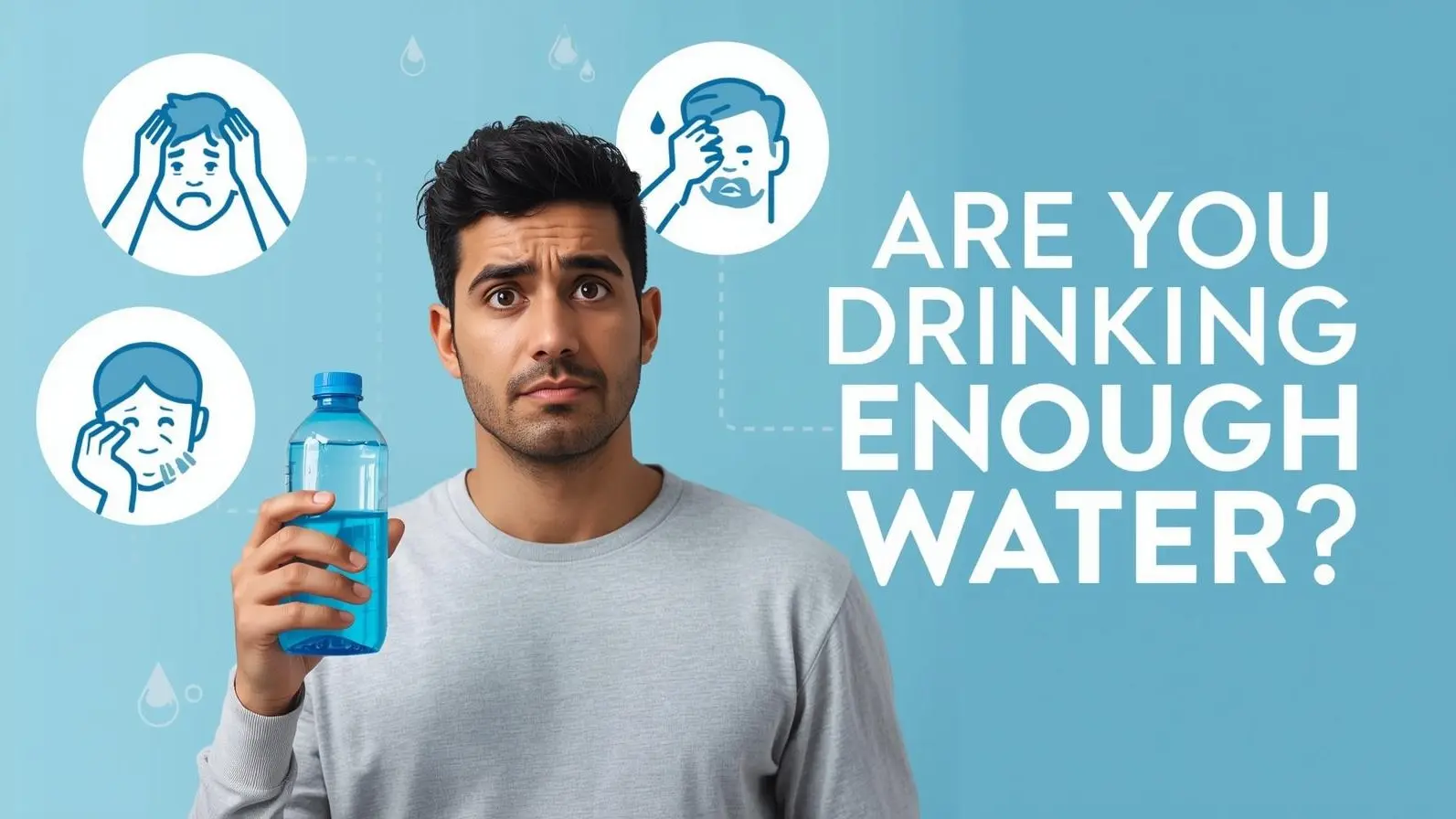
Dehydration can affect blood pressure levels and lead to fatigue or headaches. Many people forget to drink enough water while working.
Keeping a water bottle at your desk and sipping regularly helps maintain balance in the body. Proper hydration supports maintaining stable blood pressure during work hours and improves overall focus.
Limit Caffeine and Manage Energy Levels
While coffee can help you stay alert, excessive caffeine can temporarily raise blood pressure and increase heart rate. This can be risky for people already dealing with hypertension.
Try to limit caffeine intake and replace some cups with healthier options like herbal drinks or plain water. This helps in controlling blood pressure without relying on stimulants.
Create a Calm Work Routine
Your daily routine has a strong impact on your health. Planning tasks, avoiding last-minute pressure, and maintaining a balanced schedule can reduce unnecessary stress.
A calm and organized work approach supports long-term hypertension management and prevents sudden spikes in blood pressure.
Get Enough Sleep and Recovery
Work-related stress often affects sleep quality, which in turn impacts blood pressure. Poor sleep can keep your body in a constant state of stress.
Ensuring proper rest helps your body recover and maintain normal functioning. Good sleep is essential for natural blood pressure regulation and heart health.
Know Your Body’s Warning Signs
It’s important to pay attention to how your body feels. Symptoms like headaches, dizziness, chest discomfort, or unusual fatigue should not be ignored.
These could be signs that your blood pressure is not under control. Being aware helps in early detection and prevention of hypertension complications.
Small Changes, Big Impact
Managing hypertension at work does not require drastic changes. It’s about building small, consistent habits that support your health.
By reducing stress, staying active, eating smart, and maintaining a balanced routine, you can control your blood pressure effectively—even in a busy work environment.
Your health should not be compromised for productivity. In fact, better health leads to better performance.
Disclaimer
This article is for informational purposes only and is not a substitute for professional medical advice. If you have high blood pressure or related symptoms, consult a qualified healthcare provider for proper diagnosis and treatment.