Hantavirus Myths vs Facts: 7 Common Myths About the Viral Illness You Should Stop Believing
Whenever a rare virus starts appearing in headlines, misinformation spreads almost as fast as fear itself. Over the years, viruses like COVID-19, monkeypox, and other infectious diseases have shown how quickly myths can confuse people online. Now, renewed attention around hantavirus has once again triggered panic, misleading social media posts, and false assumptions about how the disease actually spreads.
Many people hear the word “virus” and immediately imagine a large global outbreak. Others believe hantavirus spreads easily from person to person or that every rodent automatically carries the disease. In reality, hantavirus is far more specific and much less commonly transmitted than many viral illnesses people fear daily.
That does not mean it should be ignored.
Hantavirus can be serious and potentially life-threatening in some cases, especially if symptoms become severe and medical care is delayed. But understanding the facts is extremely important because fear driven by misinformation often creates unnecessary panic.
Learning the difference between myths and medical reality can help people take practical precautions without falling for viral misinformation online.
Myth 1: Hantavirus Spreads Easily From Person to Person
One of the most common myths is that hantavirus spreads rapidly between people like the flu or COVID-19.
Fact:
Most hantavirus infections do not spread from person to person.
In many cases, people become infected after exposure to infected rodent urine, droppings, or saliva—especially when tiny contaminated particles become airborne and are inhaled.
According to health authorities, human-to-human transmission is considered extremely rare and has only been documented in limited situations involving specific hantavirus strains in certain regions.
This means ordinary casual contact with another person is generally not considered the primary transmission route for most hantavirus infections.
Myth 2: Every Mouse or Rat Carries Hantavirus
Many people panic after seeing any rodent near their home because they assume all mice and rats are infected.
Fact:
Not every rodent carries hantavirus.
Certain wild rodent species are more commonly associated with hantavirus transmission depending on the region. Infection rates among rodents can vary significantly based on geography and environmental conditions.
Still, rodent infestations should always be handled carefully because it is impossible to identify infected animals simply by looking at them.
The goal is not panic—it is proper hygiene and safe cleanup practices.
Myth 3: You Can Only Catch Hantavirus in Forests or Rural Areas
Some people believe hantavirus only affects campers, hikers, or people living deep in rural regions.
Fact:
While rural areas may carry higher exposure risk, infections can also happen in homes, garages, sheds, farms, or storage spaces where infected rodents are present.
Poorly ventilated areas with rodent infestations may increase risk if contaminated particles become airborne during cleaning.
This is why health experts recommend caution while cleaning spaces that may contain rodent droppings.
Myth 4: Hantavirus Is Just Like a Common Flu
Because early symptoms may resemble flu-like illness, some people assume hantavirus is mild.
Fact:
Hantavirus can become very serious in certain cases.
Early symptoms may include:
- Fever
- Fatigue
- Muscle aches
- Headache
- Nausea
However, severe cases can progress to serious breathing difficulties and lung complications that may require emergency medical care.
Early diagnosis and prompt treatment are important because symptoms can worsen rapidly in some patients.
Myth 5: Cleaning Rodent Droppings Quickly Is Completely Safe
Many people believe they should immediately sweep or vacuum rodent droppings.
Fact:
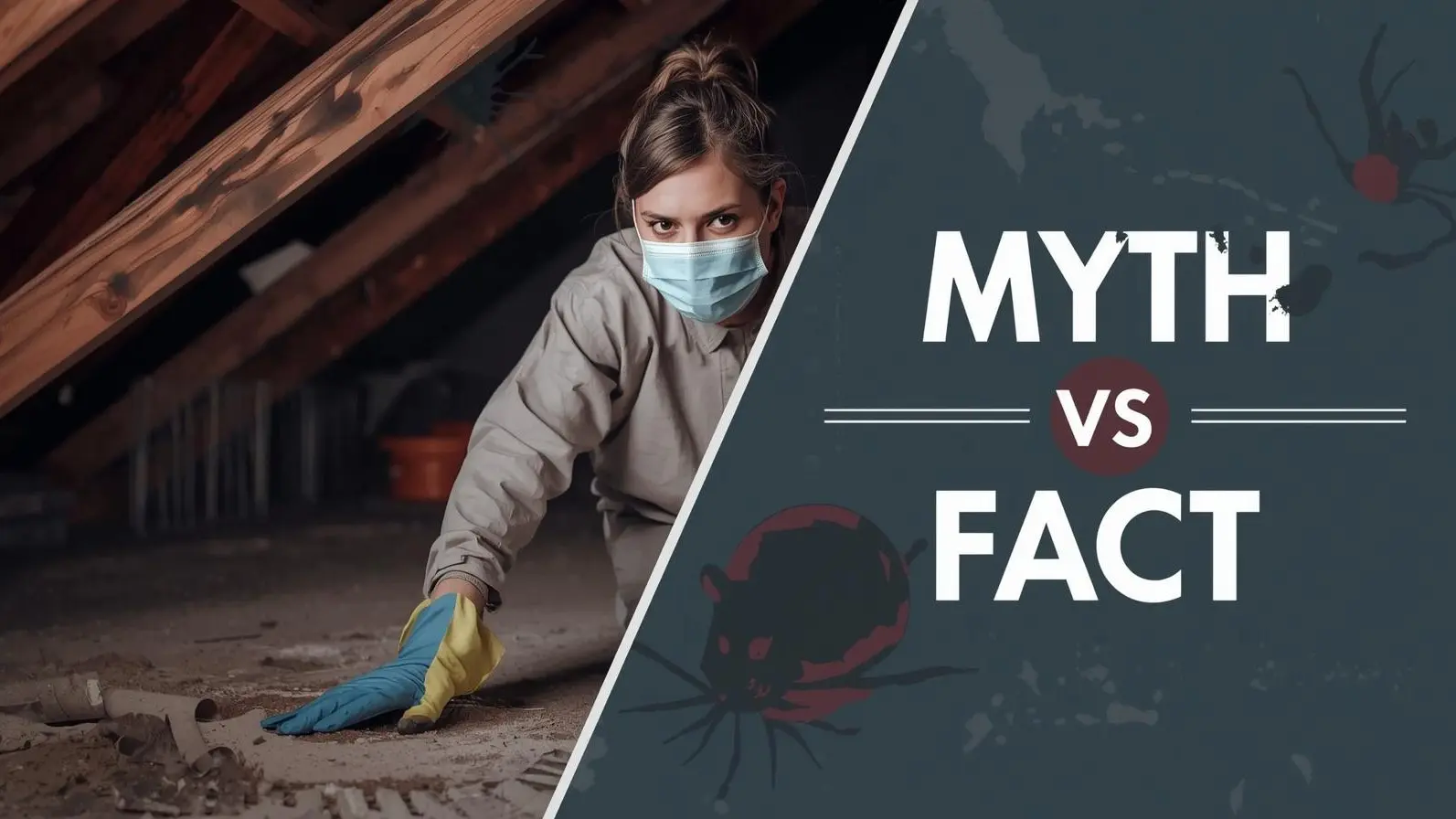
Dry sweeping or vacuuming contaminated areas may actually increase risk because it can release virus particles into the air.
Health experts usually recommend:
- Wearing gloves
- Ventilating the area first
- Using disinfectant sprays
- Avoiding dry sweeping
Proper cleanup methods help reduce the chance of inhaling contaminated particles.
This is one of the most important prevention steps people often misunderstand.
Myth 6: Hantavirus Always Causes Death
Social media often exaggerates the deadliness of rare diseases, leading some people to believe infection is automatically fatal.
Fact:
Hantavirus can be dangerous, but not every infection results in death.
Outcomes depend on factors such as:
- Early diagnosis
- Severity of infection
- Access to medical care
- Overall health condition
The most important thing is recognizing symptoms early and seeking medical attention if serious symptoms develop after possible rodent exposure.
Fear and panic do not help—awareness and timely care do.
Myth 7: There’s Nothing You Can Do to Prevent Hantavirus
Some people assume exposure is unavoidable once rodents enter an area.
Fact:
There are several practical ways to reduce risk.
Prevention mainly focuses on reducing rodent exposure and maintaining proper hygiene.
Important steps include:
- Sealing holes and entry points in homes
- Storing food properly
- Keeping living spaces clean
- Safely cleaning rodent-infested areas
- Using protective equipment during cleanup
Simple precautions can significantly lower exposure risk.
Why Misinformation About Viruses Spreads So Quickly
Fear-based content spreads very fast online, especially when a disease sounds unfamiliar or dangerous.
Social media posts often:
- Exaggerate risks
- Spread incomplete information
- Create panic through emotional headlines
Unfortunately, misinformation can sometimes become more viral than accurate medical advice.
This is why relying on trusted public health sources and medical professionals is extremely important during health-related news events.
Should People Be Worried About Hantavirus?
Concern and awareness are reasonable, but panic is not.
Hantavirus remains relatively rare compared to many common infectious diseases. However, because severe cases can occur, understanding prevention and symptoms is important—especially for people exposed to rodent-infested environments.
The best approach is balanced awareness:
- Take precautions seriously
- Avoid misinformation
- Seek medical attention if symptoms appear after possible exposure
Understanding the facts helps people respond calmly and responsibly instead of reacting emotionally to viral rumors online.
Final Thoughts
Hantavirus is a real viral illness, but many of the fears circulating online are driven more by myths than medical facts. Misunderstanding how the virus spreads or exaggerating its risks can create unnecessary panic and confusion.
The reality is that most infections are linked to exposure to contaminated rodent waste, not casual human contact. Proper hygiene, safe cleaning practices, and awareness of symptoms remain the most effective ways to reduce risk.
As with any health-related topic, accurate information matters far more than fear-driven speculation.
The more people understand the facts, the better prepared they are to protect themselves without spreading unnecessary panic.
Disclaimer
This article is for informational and educational purposes only and should not be considered medical advice. Always consult qualified healthcare professionals or official public health authorities for medical concerns, diagnosis, or treatment guidance.