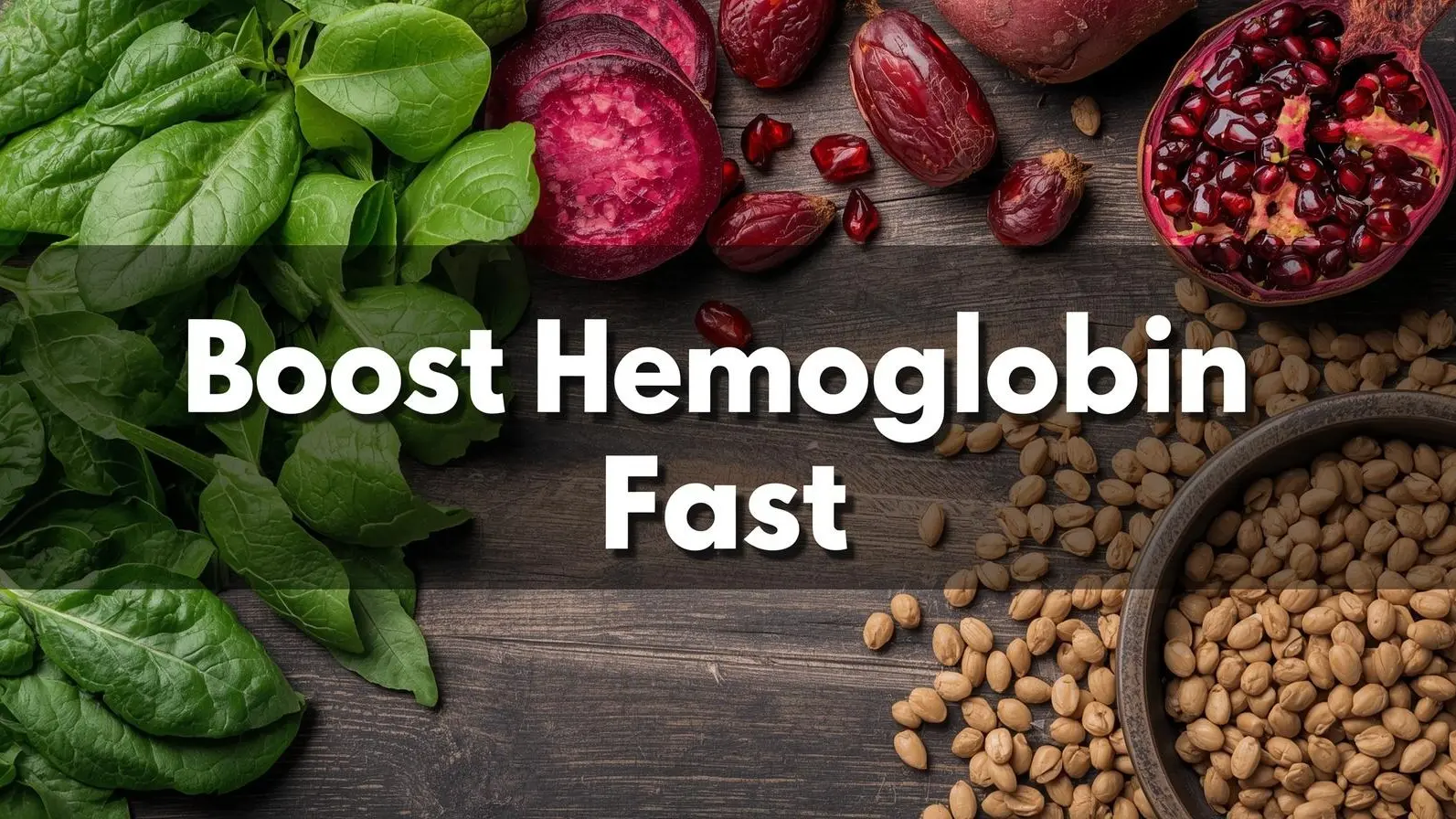
5 Best Foods to Increase Hemoglobin Levels Naturally
Low hemoglobin levels can make you feel tired, weak, and low on energy. Hemoglobin is the protein in your red blood cells that carries oxygen throughout the body. When levels drop, your body doesn’t get enough oxygen, which can affect your daily performance and overall health.
The good news is that your diet plays a major role in improving hemoglobin levels naturally. By including the right foods rich in iron, vitamins, and essential nutrients, you can support healthy blood production and boost your energy levels over time.
1. Spinach – A Powerful Iron Source
Spinach is one of the most recommended foods for increasing hemoglobin. It is rich in iron, which is essential for the production of red blood cells.
However, plant-based iron (non-heme iron) is not absorbed as easily as animal-based iron. To improve absorption, it’s important to combine spinach with foods rich in vitamin C, such as lemon or oranges.
Including spinach regularly in your diet can support natural iron intake for hemoglobin improvement.
2. Beetroot – Known for Blood Health Benefits
Beetroot is often associated with improving blood quality. While it does not contain very high iron levels, it helps support the body’s ability to absorb and use iron effectively.
Beetroot is rich in antioxidants and nitrates, which may improve blood flow and overall health. Many people include it in juices or salads for better blood circulation and hemoglobin support.
3. Dates – Natural Energy and Iron Boost
Dates are a great natural source of iron and energy. They are especially helpful for people who feel weak or fatigued due to low hemoglobin.
Dates are easy to include in your daily routine and can be consumed as a snack or added to milk. They provide a quick and effective way to support iron-rich diet for anemia prevention.
4. Pomegranate – Supports Healthy Blood Levels
Pomegranate is rich in iron, vitamin C, and antioxidants, making it highly beneficial for improving hemoglobin levels.
Regular consumption of pomegranate juice or seeds can help improve blood quality and support red blood cell production. It is often recommended as a natural remedy for boosting hemoglobin levels quickly.
5. Legumes (Lentils & Beans) – Plant-Based Iron Powerhouse
Lentils and Beans are excellent sources of plant-based iron and protein.
They are especially important for vegetarians looking to increase hemoglobin levels. When combined with vitamin C-rich foods, their iron absorption improves significantly.
Including legumes in your meals helps build a balanced diet for healthy hemoglobin levels.
Why Iron Absorption Matters More Than Just Intake
Eating iron-rich foods is important, but absorption is equally crucial. Your body cannot use all the iron you consume unless it is properly absorbed.
Combining iron-rich foods with vitamin C sources can significantly improve absorption. At the same time, avoid drinking tea or coffee immediately after meals, as they can reduce iron absorption.
Understanding this helps you maximize the benefits of foods that increase hemoglobin naturally.
Signs You May Have Low Hemoglobin
Low hemoglobin levels can show up in different ways. Common signs include fatigue, weakness, pale skin, shortness of breath, and dizziness.
If you notice these symptoms frequently, it’s important to check your levels and make dietary changes accordingly.
Best Daily Habits to Improve Hemoglobin Levels
In addition to diet, maintaining a healthy lifestyle is essential. Regular meals, proper hydration, and a balanced intake of nutrients all contribute to better blood health.
Consistency is key. Small daily improvements can lead to significant long-term results in maintaining healthy hemoglobin levels naturally.
Food Can Make a Real Difference
Improving hemoglobin levels doesn’t always require complex treatments. Simple dietary changes can have a powerful impact on your health.
By including iron-rich foods like spinach, beetroot, dates, pomegranate, and legumes, you can support your body’s natural ability to produce healthy blood cells.
The key is to stay consistent and combine the right foods for better absorption and long-term benefits.
Disclaimer
This article is for informational purposes only and is based on general nutrition knowledge. It is not a substitute for medical advice or treatment. Individuals with severe anemia or underlying health conditions should consult a healthcare professional for proper diagnosis and treatment.