Indonesia is ramping up its initiatives to tackle pressing environmental issues, namely pest control and river pollution, which are critical concerns for public health, sanitation, and overall living standards in urban regions.
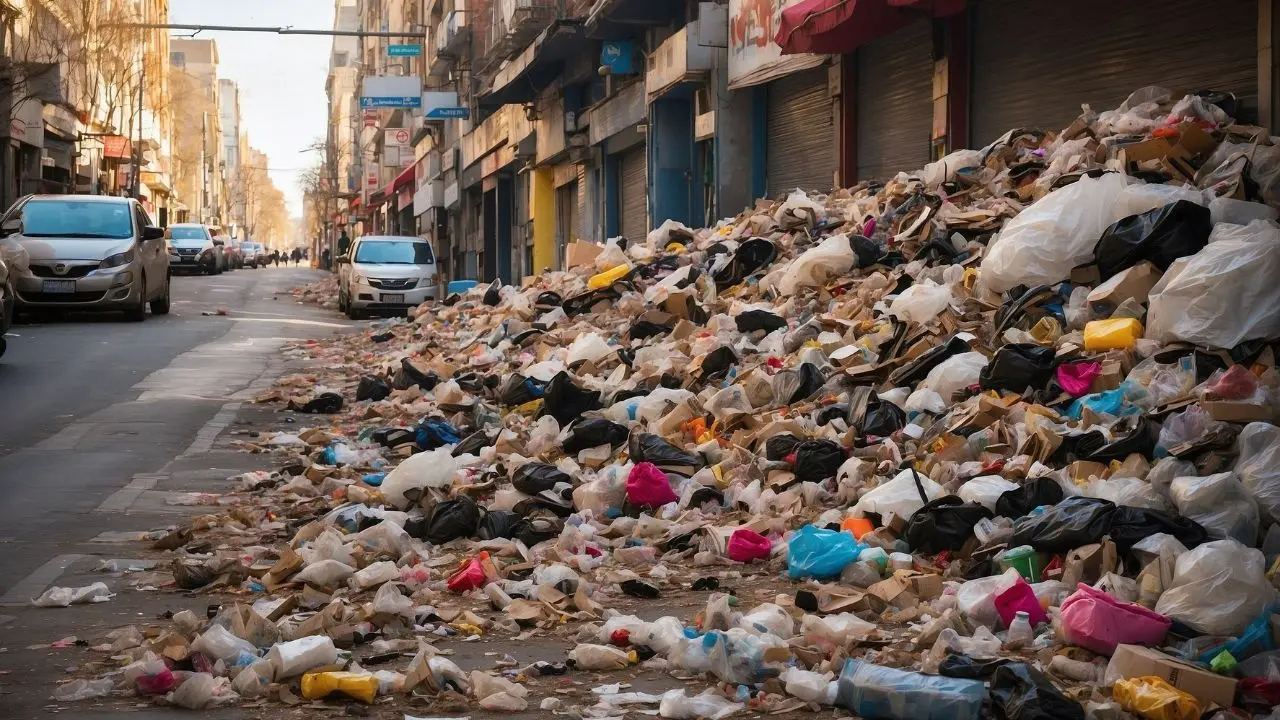
Experts and local authorities have identified a strong correlation between high pest populations and polluted rivers. Inefficient waste management and blocked drainage systems create conditions conducive to pest proliferation while simultaneously contributing to the contamination of waterways.
In numerous urban areas, rivers are severely polluted due to the improper disposal of household waste, industrial effluents, and pervasive plastic waste. The repercussions affect aquatic life and elevate the risks of disease spread among surrounding communities.
Simultaneously, the growth of vermin like rats and various insects in unsanitary environments poses additional health risks, highlighting the need for effective pest control measures to ensure urban safety.
To combat these intertwined issues, authorities are adopting a comprehensive approach. Efforts to clean rivers are being paired with enhancements in waste management systems and the reduction of pest breeding sites.
Community engagement is crucial in this equation. Residents are encouraged to keep their surroundings clean, properly dispose of waste, and take part in local initiatives to revitalize river ecosystems.
Experts stress that sustainable changes hinge on consistent policy enforcement and collaboration among government bodies, local communities, and environmental organizations. Temporary fixes will not yield enduring improvements.
This commitment to cleaner rivers and regulated pest populations aligns with Indonesia’s broader vision for sustainable urban development. By enhancing sanitation and ecological health, the nation seeks to craft safer, more livable cities for its inhabitants.
As these initiatives progress, they are expected to yield significant benefits not only for environmental quality but also for public health and economic resilience, underscoring the necessity of coordinated efforts in tackling urban challenges.