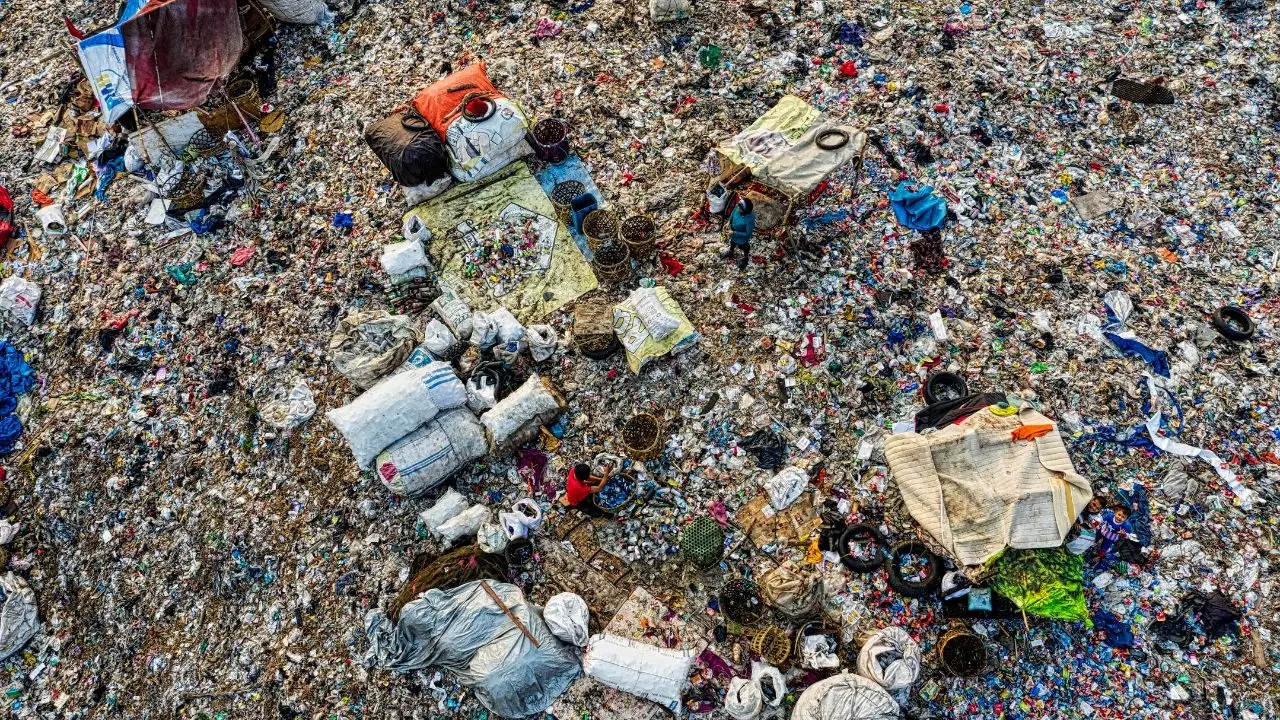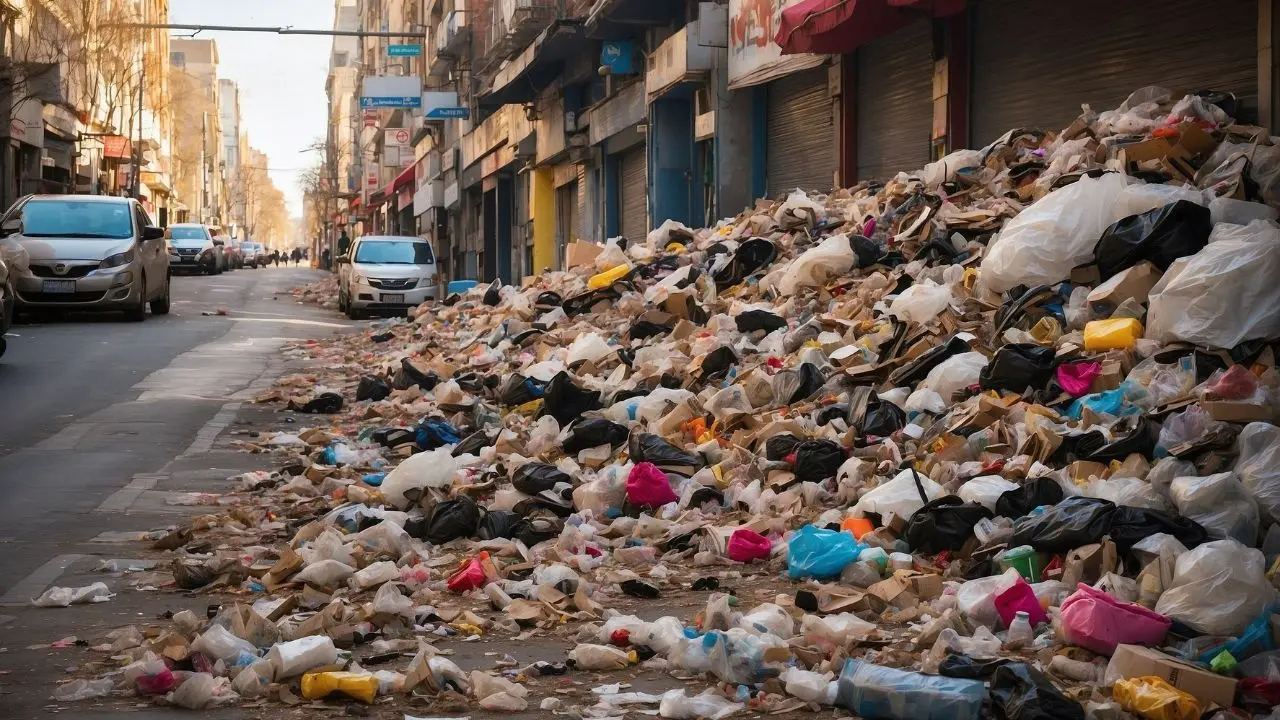
The beautiful island of Bali is currently facing a severe waste management challenge following the shutdown of a critical landfill site. This abrupt closure has resulted in an alarming accumulation of rubbish in various locations, alarming local residents, officials, and tourists alike.
With the landfill now closed, the essential waste disposal system has been thrown into disarray. In the absence of an effective alternative, the process of garbage collection has slowed significantly, leading to increasing litter in public areas, roadways, and neighborhoods.
Community members have expressed their concerns over the deteriorating conditions caused by the growing heaps of waste. This situation complicates day-to-day living while also posing serious environmental threats related to pollution and public health.
The tourism sector, which plays a vital role in Bali’s economy, faces its own challenges. The island’s allure lies in its pristine beaches and picturesque landscapes, yet the escalating garbage crisis threatens to tarnish its status as a premier travel hotspot.
In light of this pressing issue, local authorities are being pushed to devise swift and effective remedial measures. Initiatives are underway to manage the crisis, which include temporary waste handling solutions and the exploration of new landfill sites or enhanced recycling possibilities.
Environmental specialists underscore the necessity for sustainable long-term strategies. They advocate for Bali to consider investing in comprehensive waste management systems that prioritize recycling initiatives and the reduction of plastic consumption.
This predicament has brought into focus the critical need for public awareness and involvement. Residents and businesses are being urged to minimize waste and adopt greener practices to alleviate the burden on existing disposal systems.
Although Indonesia is actively pursuing improvements in waste management nationwide, escalating challenges persist in rapidly developing tourist hotspots like Bali. The current crisis illustrates the urgent need for enhanced infrastructure and planning.
Failure to act promptly could yield enduring repercussions for the environment, public health, and economic stability. Authorities are anticipated to implement more robust measures in the upcoming weeks to regain control and restore normalcy.