How to Beat 45°C Heatwaves: Easy Lifestyle Tweaks for Summers
When temperatures touch extreme levels like 45°C, daily life becomes more than just uncomfortable—it becomes physically stressful. In many parts of India, such intense heatwaves are now becoming more frequent, affecting health, productivity, and overall well-being. The human body is not designed to handle prolonged exposure to such high temperatures, and without proper care, it can quickly lead to dehydration, heat exhaustion, and serious heatstroke risks.
The good news is that you don’t need drastic changes to stay safe. Simple, practical adjustments in your daily routine can make a big difference in helping your body cope with extreme heat.
Understand How Your Body Reacts to Extreme Heat
Before making changes, it’s important to understand what happens inside your body during a heatwave. Your body tries to maintain its internal temperature by sweating, but in extreme heat, especially when humidity is high, this process becomes less effective.
As sweat evaporates slowly, your body retains heat, leading to fatigue, dizziness, and weakness. This is why following heatwave survival tips for daily life is essential, as it helps your body stay balanced even under intense conditions.
Hydrate Smartly, Not Just Frequently
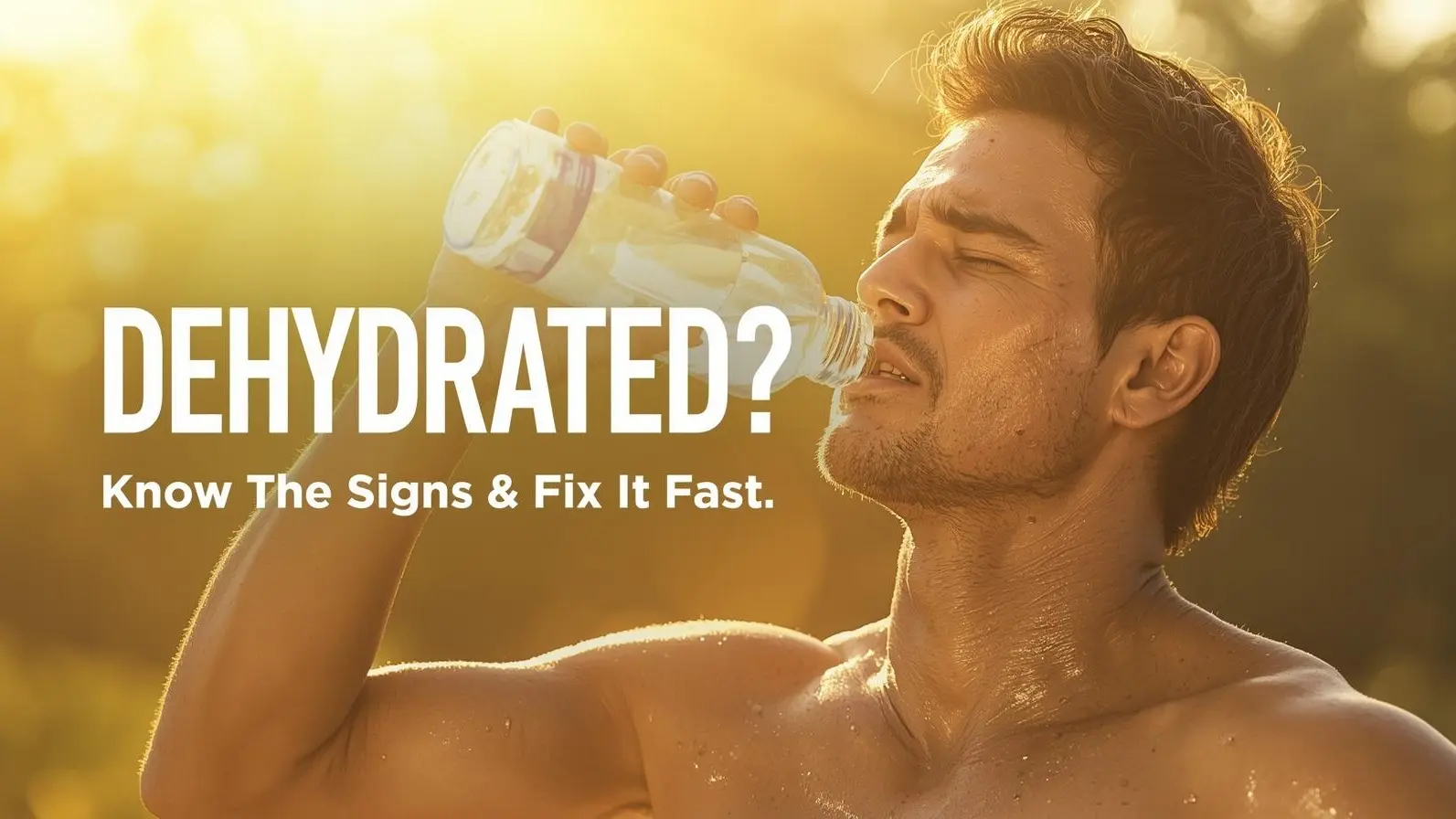
Most people respond to heat by drinking more water, which is important, but not always enough. During extreme heat, your body loses essential salts and minerals along with fluids.
If you only drink water, you may still feel tired or low on energy. Including coconut water, electrolyte drinks, or fresh juices helps restore this balance. Proper hydration supports preventing dehydration in extreme summer temperatures and keeps your body functioning efficiently.
Shift Your Daily Routine Around the Heat
One of the most effective ways to deal with high temperatures is to adjust your daily schedule. The sun is at its strongest between late morning and afternoon, making this the most dangerous time to be outdoors.
Planning your tasks early in the morning or later in the evening reduces direct exposure to heat. This small adjustment helps in reducing heat exposure during peak summer hours and lowers the risk of heat-related illness.
Wear Clothes That Help Your Body Cool Down
Clothing plays a crucial role in how your body handles heat. Tight or dark-colored clothes trap heat and restrict airflow, making it harder for your body to cool itself.
Light-colored, loose-fitting clothes made of breathable fabrics like cotton allow air circulation and help sweat evaporate faster. This supports natural body cooling and temperature control in hot weather, making you feel more comfortable throughout the day.
Keep Your Living Space Cool Naturally
Even without constant air conditioning, you can significantly reduce indoor heat with simple methods. Sunlight entering your home during the day increases room temperature quickly.
Keeping curtains closed during peak hours, using fans effectively, and allowing fresh air in during cooler times of the day can make your space more comfortable. These steps help in maintaining a cooler indoor environment during heatwaves.
Eat Light to Reduce Internal Heat
Your diet directly affects how your body feels in hot weather. Heavy, oily, and spicy foods increase internal body heat and slow digestion, which can leave you feeling tired and uncomfortable.
Choosing lighter meals with water-rich foods like fruits and vegetables helps keep your body cool and energized. This approach supports maintaining energy levels during extreme heat conditions while reducing stress on your system.
Limit Physical Activity During Peak Heat
Exercise is important, but intense physical activity during high temperatures can put excessive strain on your body. It increases internal heat and accelerates fluid loss, which can quickly lead to exhaustion.
Shifting workouts to cooler hours and reducing intensity helps maintain fitness without risking heat-related health complications during summer.
Recognize Early Warning Signs of Heat Stress
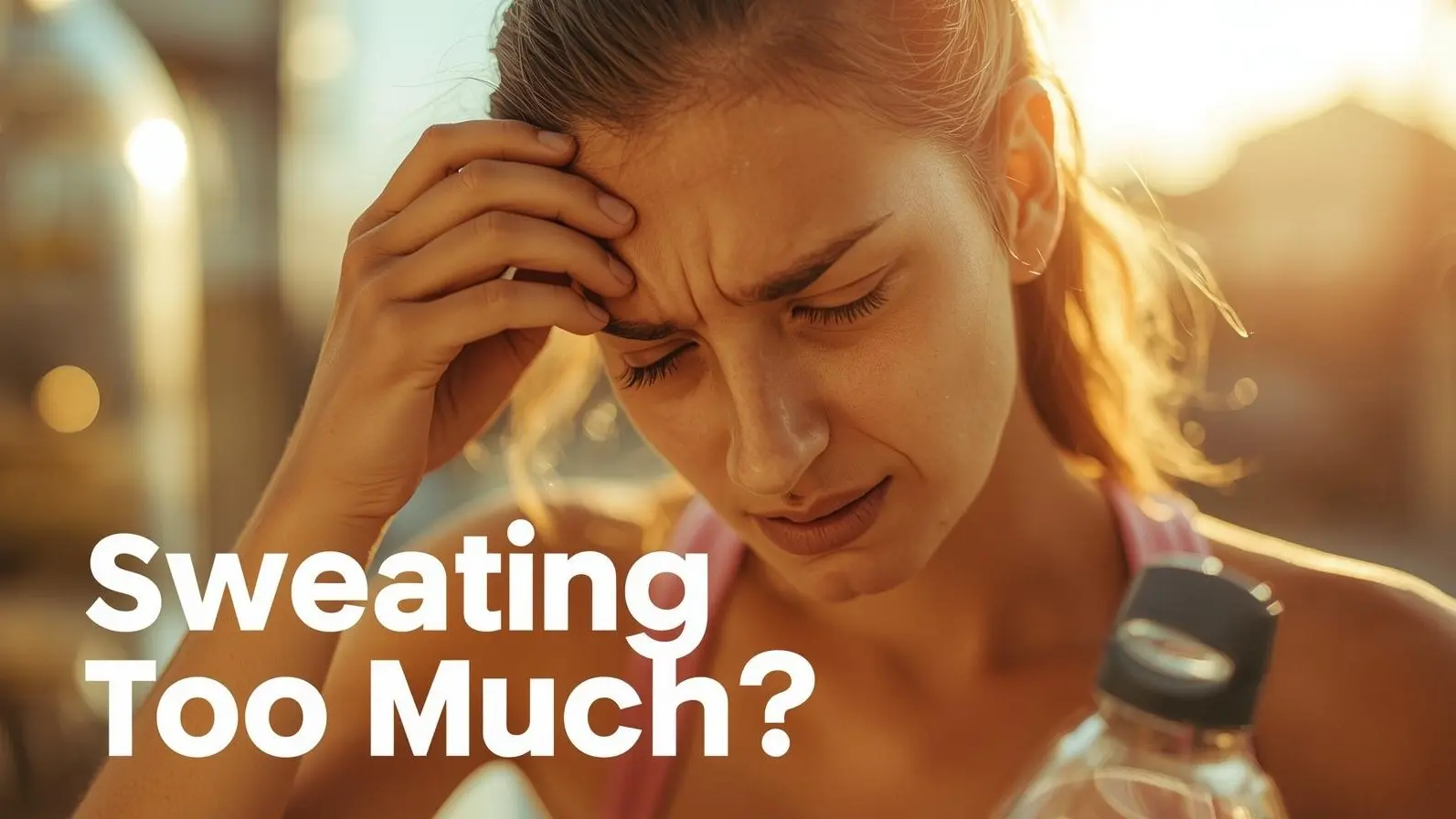
Your body gives signals when it starts struggling with heat, but these are often ignored. Symptoms like dizziness, headaches, excessive sweating, or sudden fatigue indicate that your body needs immediate attention.
Responding quickly by resting, hydrating, and cooling down can prevent serious conditions. Awareness of these signs helps in preventing heatstroke and managing heat stress effectively.
Protect Vulnerable People Around You
Children, elderly individuals, and people with health conditions are more sensitive to extreme heat. Their bodies may not respond quickly to rising temperatures, increasing their risk.
Ensuring they stay hydrated, avoid direct sunlight, and rest frequently is essential for their safety. This is a key step in reducing health risks during severe summer heatwaves.
Build Small Habits That Make a Big Difference
Managing extreme heat is not about one big change—it’s about consistent small actions. Carrying water, choosing the right clothes, eating light meals, and avoiding peak sun exposure may seem simple, but together they create strong protection.
These habits support daily safety and comfort during high-temperature conditions and help your body function more efficiently.
Stay Prepared, Stay Safe
Extreme heatwaves are becoming a part of modern summers, but their impact can be reduced with awareness and simple lifestyle adjustments. By understanding how your body reacts to heat and making small changes in your routine, you can stay safe, active, and comfortable even in 45°C temperatures.
The key is not to ignore the heat but to adapt to it smartly.
Disclaimer
This article is for informational purposes only and is not a substitute for professional medical advice. If you experience severe symptoms related to heat exposure, seek immediate medical attention.