Heatwave Survival Guide: Smart Ways to Stay Safe During Extreme Temperatures
Extreme heatwaves are becoming more frequent and intense across many parts of the world, affecting millions of people every year. Rising temperatures can impact not only comfort but also health, energy levels, sleep quality, and daily routines. In severe cases, prolonged heat exposure may lead to dehydration, heat exhaustion, or dangerous heatstroke if proper precautions are not taken.
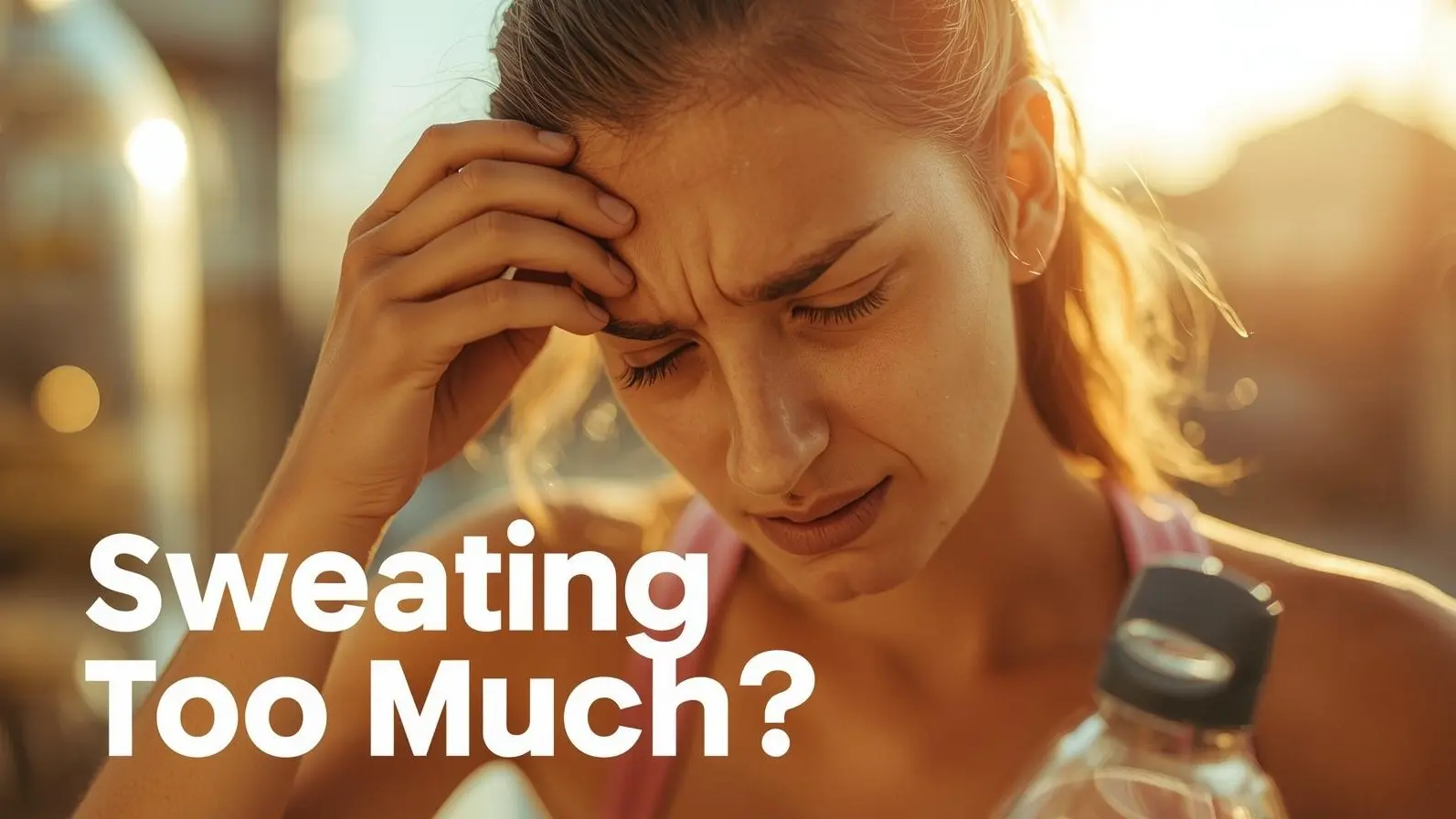
During extreme temperatures, the human body works harder to stay cool. Excessive sweating, fluid loss, and continuous sun exposure can place significant stress on the body, especially for children, older adults, outdoor workers, and individuals with existing health conditions. Understanding how to stay safe during a heatwave is becoming increasingly important as summers continue getting hotter globally.
Why Heatwaves Can Be Dangerous
A heatwave occurs when temperatures remain unusually high for several days, often combined with humidity and hot nighttime conditions. When the body cannot cool itself effectively, the risk of heat-related illnesses rises quickly.
Extreme heat may affect:
- Hydration levels
- Heart function
- Energy and concentration
- Sleep quality
- Skin health
- Breathing comfort
In some situations, overheating can become a medical emergency if symptoms are ignored.
1. Stay Hydrated Throughout the Day
One of the most important heatwave survival habits is maintaining proper hydration. During hot weather, the body loses fluids rapidly through sweat, even when physical activity is minimal.
Experts recommend drinking water consistently throughout the day rather than waiting until you feel extremely thirsty. Severe thirst may already indicate early dehydration.
Smart Hydration Tips
- Carry a water bottle when outdoors
- Drink water regularly in small amounts
- Increase fluids during outdoor activity
- Include electrolyte-rich drinks if sweating heavily
- Avoid excessive sugary or alcoholic beverages
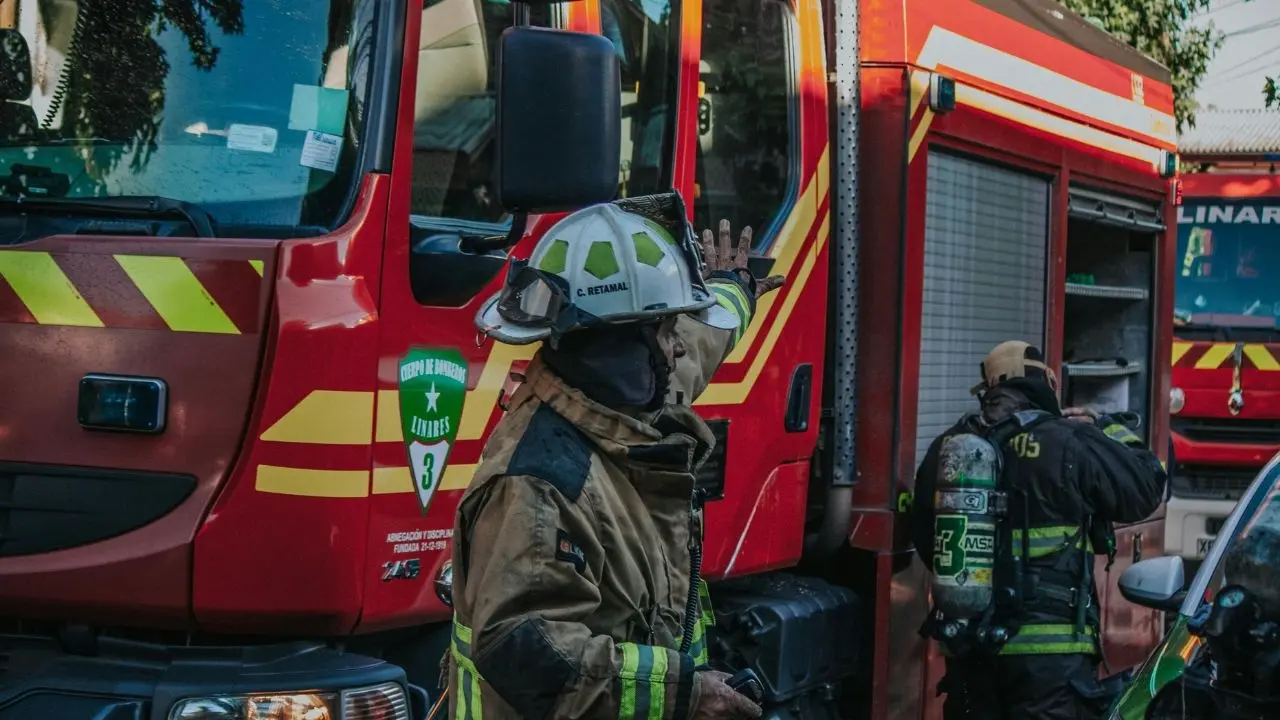
Hydration becomes especially important for outdoor workers and people exercising in high temperatures.
2. Avoid Direct Sun Exposure During Peak Hours
The sun’s heat tends to become strongest during midday and afternoon hours. Continuous exposure during this period may increase the risk of heat exhaustion and sunburn.
Whenever possible, limit outdoor activity during the hottest part of the day.
Ways to Reduce Heat Exposure
- Stay indoors during peak heat hours
- Use shaded areas while outside
- Wear sunglasses and hats
- Use umbrellas for direct sunlight protection
- Schedule workouts early morning or evening
Reducing direct heat exposure helps the body maintain safer internal temperatures.
3. Wear Light and Breathable Clothing
Clothing plays a major role in how the body handles extreme temperatures. Tight, dark, or heavy fabrics may trap heat and increase discomfort.
Best Clothing Choices During Heatwaves
- Lightweight cotton fabrics
- Loose-fitting clothes
- Light-colored outfits
- Breathable materials
Proper clothing helps improve airflow and supports natural cooling through sweat evaporation.
4. Keep Your Home as Cool as Possible
Indoor temperatures can become dangerous during severe heatwaves, especially in poorly ventilated spaces.
Simple Ways to Cool Indoor Spaces
- Close curtains during daytime
- Use fans for air circulation
- Reduce unnecessary appliance heat
- Open windows during cooler evening hours
- Stay in air-conditioned spaces if possible
People living in extremely hot regions may also benefit from spending time in public cooling areas such as malls, libraries, or community centers during peak heat.
5. Recognize Early Signs of Heat Exhaustion
Understanding warning signs is essential because heat-related illness can worsen quickly if ignored.
Possible Signs of Heat Exhaustion
- Excessive sweating
- Dizziness
- Fatigue
- Muscle cramps
- Headaches
- Nausea
- Weakness
If symptoms become severe or include confusion, fainting, or difficulty breathing, immediate medical attention may be necessary.
6. Eat Foods That Support Hydration
Diet also affects how the body handles extreme heat.
Helpful Foods During Heatwaves
- Watermelon
- Cucumber
- Coconut water
- Citrus fruits
- Yogurt
- Fresh salads
Heavy oily meals may sometimes increase discomfort during extreme temperatures, especially when digestion already feels sluggish due to heat.
7. Protect Vulnerable Family Members
Children, older adults, pregnant women, and people with chronic medical conditions often face higher risks during heatwaves.
Important Safety Measures
- Check on elderly relatives regularly
- Keep children hydrated
- Never leave anyone inside parked vehicles
- Ensure pets have water and shade
- Monitor people taking medications affected by heat
Community awareness becomes extremely important during severe heat conditions.
8. Be Careful With Physical Activity
Exercising or doing heavy physical work during extreme heat can quickly strain the body.
Safer Activity Habits
- Exercise during cooler hours
- Take frequent breaks
- Wear breathable sportswear
- Rehydrate consistently
- Stop activity if dizziness occurs
Overheating during exercise may rapidly increase the risk of heatstroke.
9. Prioritize Sleep During Heatwaves
Hot nights can affect sleep quality significantly. Poor sleep may worsen fatigue, mood, concentration, and overall health during heatwaves.
Ways to Sleep More Comfortably
- Keep rooms ventilated
- Use light bedding
- Take cool showers before bed
- Avoid heavy meals late at night
- Stay hydrated before sleeping
Maintaining proper rest helps the body recover more effectively from prolonged heat exposure.
10. Stay Updated on Weather Alerts
Modern weather systems often provide important heatwave warnings and safety guidance.
Monitoring official updates helps people prepare for:
- Extreme temperature spikes
- Power outages
- Health advisories
- Outdoor activity risks
Being informed early can reduce dangerous exposure during severe weather conditions.
Final Thoughts
Heatwaves are no longer occasional events in many parts of the world — they are becoming a regular part of modern summers. While extreme temperatures can pose serious health risks, smart daily habits can significantly improve safety and comfort.
Simple actions like staying hydrated, avoiding direct heat, cooling indoor spaces, eating wisely, and recognizing early warning signs can make a major difference during dangerous weather conditions.
As climate patterns continue changing globally, heatwave awareness and preparation are becoming more important than ever.
Disclaimer
This article is for informational purposes only and does not replace professional medical advice. Seek immediate medical attention for severe heat-related symptoms or emergencies.