Pope Leo XIV marked his Africa tour with a poignant visit to the historic Sanctuary of Mama Muxima in Muxima, a site intimately connected to the trans-Atlantic slave trade, delivering a powerful message of healing, hope, and justice.
Constructed in the late 16th century by Portuguese colonizers within a fortress, the Sanctuary of Mama Muxima has evolved into a significant place where enslaved Africans were baptized prior to their harrowing 100-kilometre trek to the ports of Luanda, from where millions were shipped to the Americas.
Historical estimates suggest over 5 million enslaved individuals were taken from Angola during this period, making it one of the largest departure points in the trans-Atlantic slave trade.
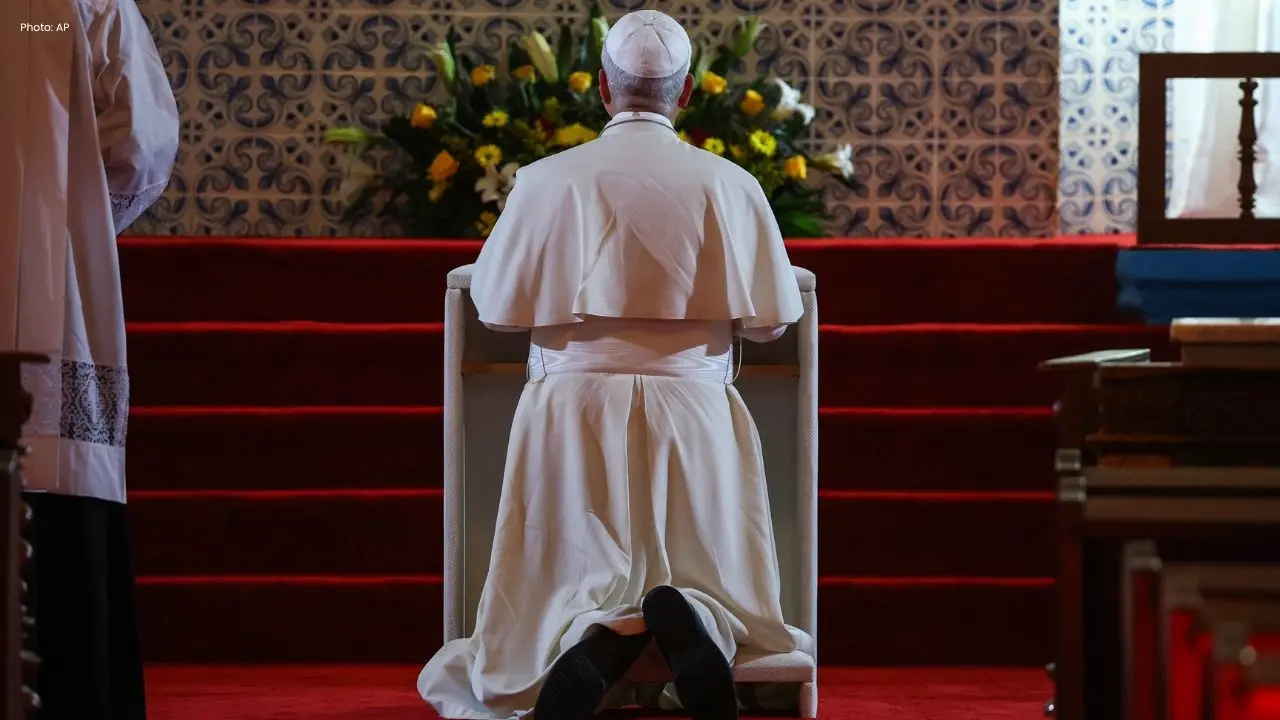
While visiting, the Pope prayed the Rosary within the church and addressed an assembly of thousands outside. Though not mentioning slavery explicitly, he spoke about the enduring “sorrow and great suffering” faced over generations, urging efforts towards creating “a better and more just world free of war, injustice, and poverty.”
This visit embodies profound symbolism, particularly as the Vatican has begun to confront the destructive legacy of colonial doctrines. In 2023, it officially renounced the “Doctrine of Discovery,” which had historically legitimized European colonial exploitation.
Experts assert that the Muxima shrine embodies both spiritual faith and a troubled history. Religious historian Christopher J. Kellerman emphasized that papal decrees from the 15th century had empowered European powers to enslave non-Christians, reinforcing centuries of exploitation.
Adding a personal layer, genealogical studies indicate that Pope Leo XIV may have ancestral ties to both enslaved individuals and slave owners in the U.S., highlighting the complex legacy of slavery.
This significant visit is part of an 11-day apostolic journey throughout Africa, where the Pope emphasizes themes of reconciliation, social justice, and faith community strengthening.
For numerous African Catholics, this occasion is viewed as a time for reflection and healing—recognizing the past while envisioning a more inclusive future.