For centuries, scholars believed they had already uncovered most of the secrets hidden inside the world’s oldest biblical manuscripts. Historians studied faded pages under lamps for decades, while linguists compared letters line by line. Religious experts examined every stain, scratch, and margin note in search of clues about the origins of sacred texts. Then something extraordinary happened — words long believed to be erased forever suddenly returned from the shadows.
Using advanced imaging technology, researchers recently uncovered hidden “ghost text” buried beneath the pages of one of the most important New Testament manuscripts ever studied. What initially appeared to be faded parchment eventually revealed layers of forgotten writing that had remained invisible to the human eye for centuries. The discovery stunned historians, theologians, and manuscript experts alike because it was not simply about recovering old ink; it was about reconnecting with voices history had almost lost forever.
What Is the “Ghost Text”?
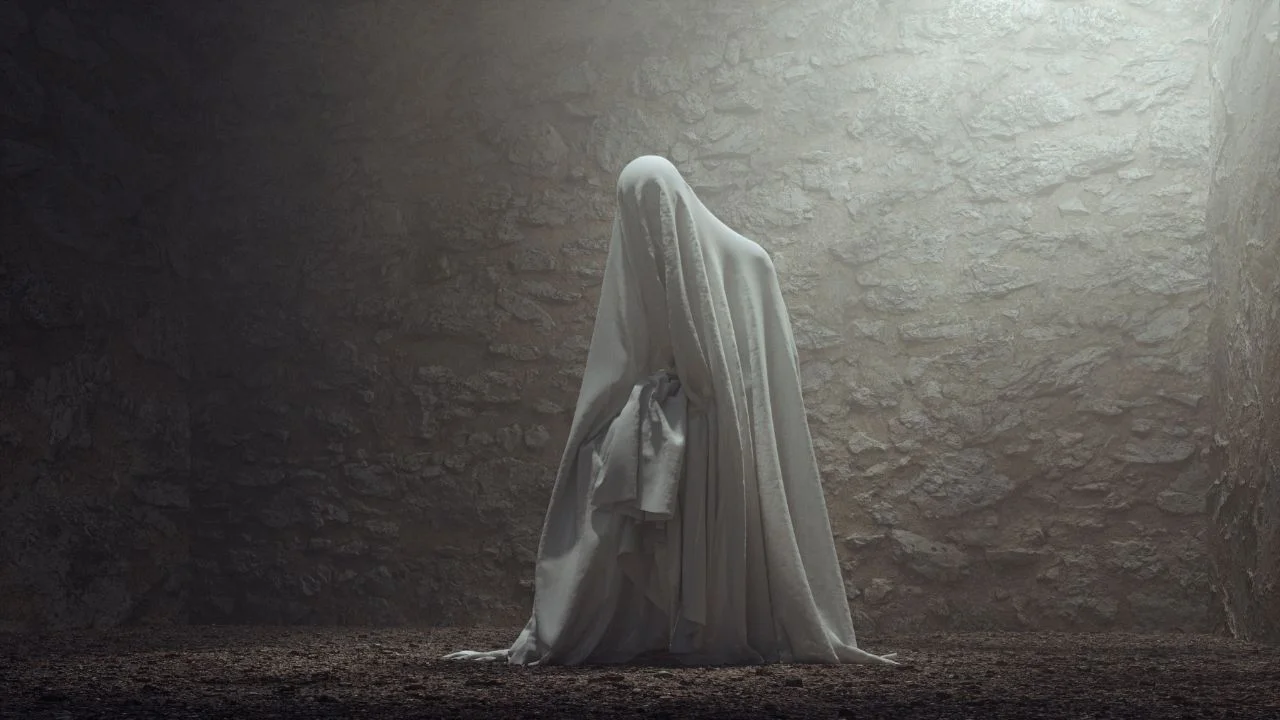
The phrase “ghost text” captured public imagination immediately because it sounds mysterious and almost supernatural. In reality, the term refers to hidden writing concealed beneath visible text on ancient manuscripts. Centuries ago, parchment was extremely expensive and difficult to produce, so monks and scribes often scraped away older writing and reused the same pages for new texts. To most people, the original writing appeared permanently erased.
However, ancient ink behaves differently over time than many realize. Even after scraping, faint chemical traces can remain embedded deep within parchment fibers for hundreds or even thousands of years. Modern imaging technology now allows researchers to reveal these hidden layers in remarkable detail.
The recovered pages in this case reportedly came from one of the most historically significant New Testament manuscripts ever examined. Ancient biblical manuscripts are not simply religious artifacts; they are windows into the intellectual, political, and spiritual worlds of early civilizations. Every recovered sentence slightly changes historical understanding, and every hidden phrase matters because ancient manuscripts are more than texts — they are survivors of time itself.
How Technology Brought Lost Words Back to Life
The newly recovered writing appeared beneath later layers of visible script, almost like forgotten voices trapped under history itself. Researchers used multispectral imaging, a process in which manuscripts are photographed under different wavelengths of light invisible to the human eye. Certain wavelengths interact differently with ancient ink residues, allowing erased writing to reappear digitally.
For the scientists involved, the experience reportedly felt surreal. Words unseen for centuries slowly emerged from darkness line by line, almost as if the manuscript had been waiting silently for the right moment to speak again.
This emotional dimension explains why discoveries like this fascinate people far beyond academic circles. Humanity has always been drawn toward hidden messages, lost knowledge, and buried history. The idea that ancient pages may still contain invisible secrets creates a sense of mystery that is difficult to resist.
At the same time, the discovery serves as a powerful reminder of how fragile history truly is. Most ancient writings disappeared forever because of war, decay, fire, conquest, or simple neglect. Entire libraries vanished across centuries, taking with them philosophies, stories, scientific theories, and religious debates long before modern preservation methods existed. What survives today often survives purely by accident, which gives discoveries like the ghost text extraordinary emotional significance.
Why Ancient Manuscripts Matter So Deeply
One of the lesser-known realities of ancient manuscript history is how physically difficult preservation once was. Before the invention of printing technology, every text had to be copied by hand, sometimes taking months or even years to complete a single manuscript. Errors occurred frequently, ink faded over time, moisture destroyed pages, and political or religious conflicts often erased competing ideas.
The survival of any manuscript across centuries is remarkable, but the survival of hidden writing beneath reused pages is even more extraordinary. Experts believe many ancient manuscripts may still contain undiscovered layers waiting beneath visible text. Some parchments were reused multiple times across generations, meaning a single document could potentially preserve several historical eras hidden within the same physical pages.
This possibility excites researchers because each hidden layer may contain forgotten translations, theological debates, historical records, or interpretations lost from official history long ago. The recent discovery has also renewed fascination with how early New Testament texts evolved over time. Ancient biblical manuscripts were copied repeatedly across different regions, languages, and centuries, which naturally introduced variations. Some changes happened accidentally, while others reflected local interpretation, political influence, or theological emphasis.
That is why manuscript discoveries matter so deeply to historians. They reveal how ancient communities understood sacred ideas before later standardization shaped official versions.
The Human Story Hidden Inside the Pages
The emotional power of these discoveries comes partly from realizing how deeply human ancient history truly was. People often imagine sacred texts entering history unchanged and untouched, but manuscript research reveals generations of real individuals preserving, editing, translating, debating, and protecting those texts under difficult conditions.
Behind every surviving page were exhausted scribes working by candlelight, carefully copying words by hand. Behind every manuscript stood communities determined to preserve meaning despite instability, danger, and uncertainty. The ghost text discovery suddenly makes that invisible human chain feel alive once again.
There is also a psychological fascination surrounding hidden writing itself. Humans are naturally drawn toward secrets because hidden information sparks curiosity and wonder. The idea that important knowledge remained invisible for centuries creates an almost cinematic sense of mystery.
Yet unlike fictional treasure hunts, manuscript discoveries reveal something more profound than gold — they reveal continuity. They create a direct connection between modern humanity and minds that existed thousands of years ago. When scholars recover ancient words, they are not only studying history; they are hearing voices from civilizations long gone. That emotional bridge explains why discoveries involving ancient religious manuscripts resonate so strongly even among people who are not religious themselves.
A Discovery That Changes How We See History
The ghost text discovery also highlights how technology is transforming archaeology and historical research. For generations, scholars relied mainly on eyesight, magnifying glasses, and physical examination. Today, artificial intelligence, digital scanning, multispectral imaging, and advanced chemical analysis allow researchers to recover information once believed permanently lost.
Ironically, the future is helping humanity rediscover the past.
This combination of ancient mystery and modern technology creates a uniquely powerful story. Invisible words survived centuries quietly until technology finally became advanced enough to reveal them again. Some researchers reportedly described the recovered text as emotionally moving because the writing appeared surprisingly clear once digitally processed, almost defying time itself.
That experience challenges the ordinary understanding of history. People often see the past as something fixed, complete, and fully understood, but discoveries like this prove that history is still unfinished. Hidden voices remain buried beneath the surface, and countless stories may still be waiting to be uncovered. Perhaps that is what makes the ghost text discovery feel so hauntingly beautiful. It reminds us that history is never completely silent, because even erased words can leave traces behind.
The ancient scribes who first wrote those hidden lines could never have imagined satellites, digital imaging, or modern laboratories. Yet somehow, through parchment and ink, a connection survived across wars, collapsing empires, changing languages, and centuries of silence.
That survival feels almost miraculous.
And perhaps the greatest lesson hidden within the ghost text is this: humanity has always feared losing memory, but history has a strange way of refusing to disappear completely. Sometimes the past remains hidden only long enough for the future to learn how to see it again.