Why Hydration Is Key to Better Skin and Focus
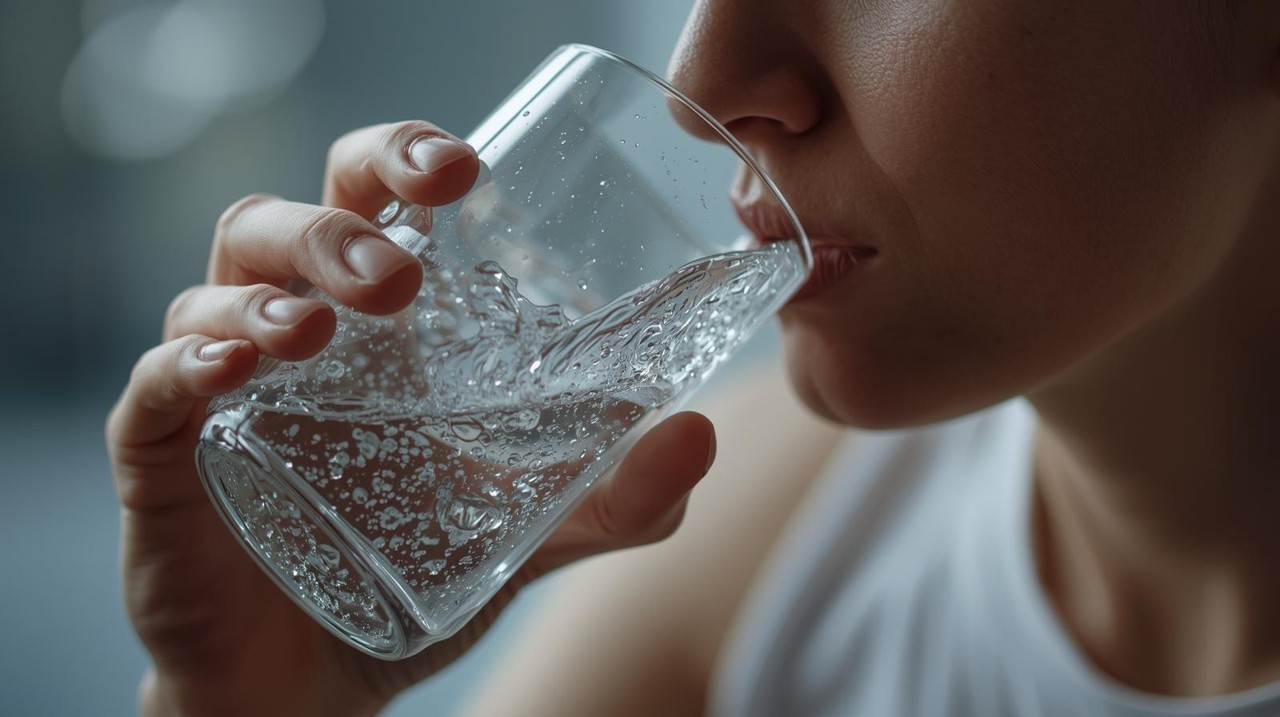
In today’s busy lifestyle, people often overlook one of the simplest yet most powerful health habits — staying hydrated. Whether you’re spending long hours at work, exercising regularly, or living in a hot climate, drinking enough water plays a vital role in how your body and mind function. From improving your skin’s glow to sharpening your mental focus, hydration impacts nearly every aspect of your well-being.
The Science Behind Hydration
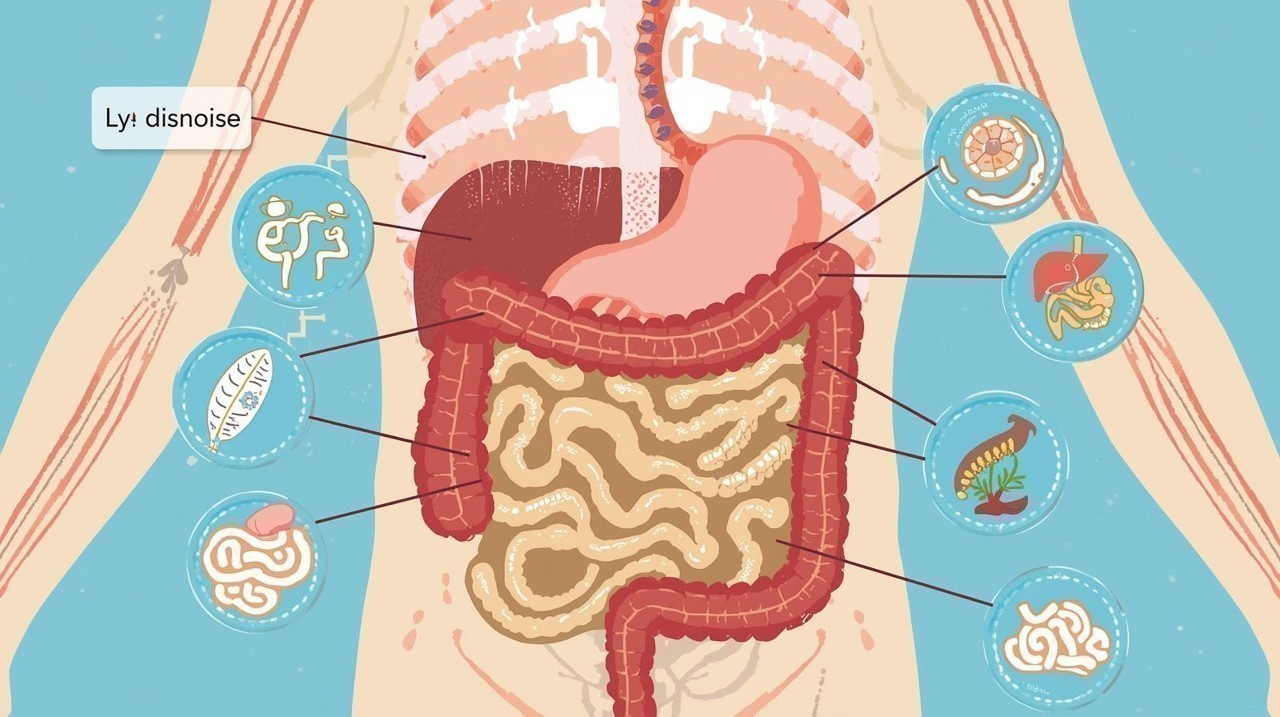
The human body is made up of about 60% water. Every cell, tissue, and organ depends on it to perform essential functions such as regulating temperature, carrying nutrients, and flushing out toxins. When you’re dehydrated, your body struggles to maintain balance, leading to fatigue, dull skin, headaches, and even difficulty concentrating.
Water supports blood circulation, digestion, and oxygen delivery — all of which directly influence how alert and energetic you feel throughout the day. Even mild dehydration (just a 1–2% loss of body water) can negatively affect mood, attention, and memory.
Hydration and Skin Health
Your skin is your body’s largest organ, and it needs moisture to stay healthy and youthful. Proper hydration:
-
Improves Skin Elasticity: When you’re hydrated, your skin cells are plump and resilient, helping to reduce fine lines and wrinkles.
-
Flushes Out Toxins: Drinking enough water helps remove waste through sweat and urine, giving your skin a clearer and more even tone.
-
Prevents Dryness: Dehydration can make your skin look flaky and tired. Hydrating from within is just as important as using moisturizers on the surface.
-
Promotes Natural Glow: Water supports blood flow to the skin, which enhances your complexion and gives it a natural radiance.
It’s important to remember that skincare products work best when your body is well-hydrated. No amount of cream or serum can substitute for the benefits of adequate water intake.
Hydration and Mental Focus
Just as your skin benefits from hydration, your brain does too. The brain is about 75% water, and even slight dehydration can cause noticeable cognitive decline. Studies have shown that staying hydrated can:
-
Improve concentration and alertness
-
Boost short-term memory
-
Reduce mental fatigue and stress
-
Enhance decision-making and problem-solving skills
When you’re dehydrated, your brain has to work harder to perform everyday tasks, making you feel sluggish and unfocused. Keeping a water bottle nearby during work or study hours can make a remarkable difference in productivity.
Signs You’re Not Drinking Enough Water
Many people don’t realize they’re dehydrated until symptoms become obvious. Common signs include:
-
Dry mouth or cracked lips
-
Fatigue and dizziness
-
Dark yellow urine
-
Headaches or lack of focus
-
Dry skin and increased breakouts
By paying attention to these warning signals, you can adjust your daily water intake before dehydration affects your energy or appearance.
How Much Water Do You Really Need?
The general guideline is to drink at least 8 glasses (2 liters) of water per day, but individual needs vary depending on age, weight, activity level, and climate. In hot regions like the UAE, where temperatures can soar, your body loses more water through sweat. Therefore, you may need up to 3 liters a day to stay properly hydrated.
Other sources of hydration include fruits and vegetables like cucumber, watermelon, oranges, and lettuce — all of which have high water content. Herbal teas and coconut water are also excellent alternatives for staying hydrated naturally.
Practical Tips to Stay Hydrated
-
Start your day with water: Drinking a glass first thing in the morning jumpstarts your metabolism and rehydrates your body after hours of sleep.
-
Carry a reusable water bottle: It serves as a reminder to sip regularly throughout the day.
-
Set reminders: Use mobile apps or alarms to prompt you to drink water every few hours.
-
Infuse your water: Add slices of lemon, mint, or berries for a refreshing twist that makes drinking water more enjoyable.
-
Hydrate before meals: It aids digestion and helps you eat mindfully.
Hydration Beyond Water
Hydration doesn’t only come from plain water. Foods rich in electrolytes — like potassium, sodium, and magnesium — also help maintain fluid balance. If you exercise frequently, consider adding electrolyte drinks or coconut water to replenish lost minerals.
However, limit sugary drinks and caffeinated beverages, as they can lead to dehydration if consumed in excess.
The Connection Between Hydration and Energy
When your body is well-hydrated, your cells can efficiently produce energy. Water supports oxygen transport and helps convert nutrients into fuel. On the other hand, dehydration slows down these processes, making you feel tired and less motivated.
If you often experience mid-day fatigue or brain fog, try drinking a glass of water before reaching for coffee — you might be surprised by how much more alert you feel.
Conclusion
Hydration is not just about quenching your thirst — it’s a foundation for healthy skin, improved focus, and overall vitality. By making water a consistent part of your daily routine, you can look and feel your best without making any drastic lifestyle changes.
Whether you’re aiming for glowing skin, better productivity, or enhanced well-being, the solution is as simple as reaching for your next glass of water.