Heatwave Alert 2026: These Countries Are Facing Record-Breaking Temperatures
The year 2026 is already showing worrying signs of becoming another year of extreme climate events. Across different parts of the world, countries are experiencing unusually high temperatures, early heatwaves, drought conditions, and wildfire risks. Scientists and weather agencies have linked this trend to global warming, climate change, and the possible return of El Niño conditions in 2026.
In many regions, summer has arrived earlier than expected, while some places are already breaking seasonal temperature records. This has raised serious concerns about public health, agriculture, water shortages, and power demand.
Let’s look at the countries currently facing the biggest heatwave risk in 2026.
India Is Already Facing Severe Heatwave Conditions
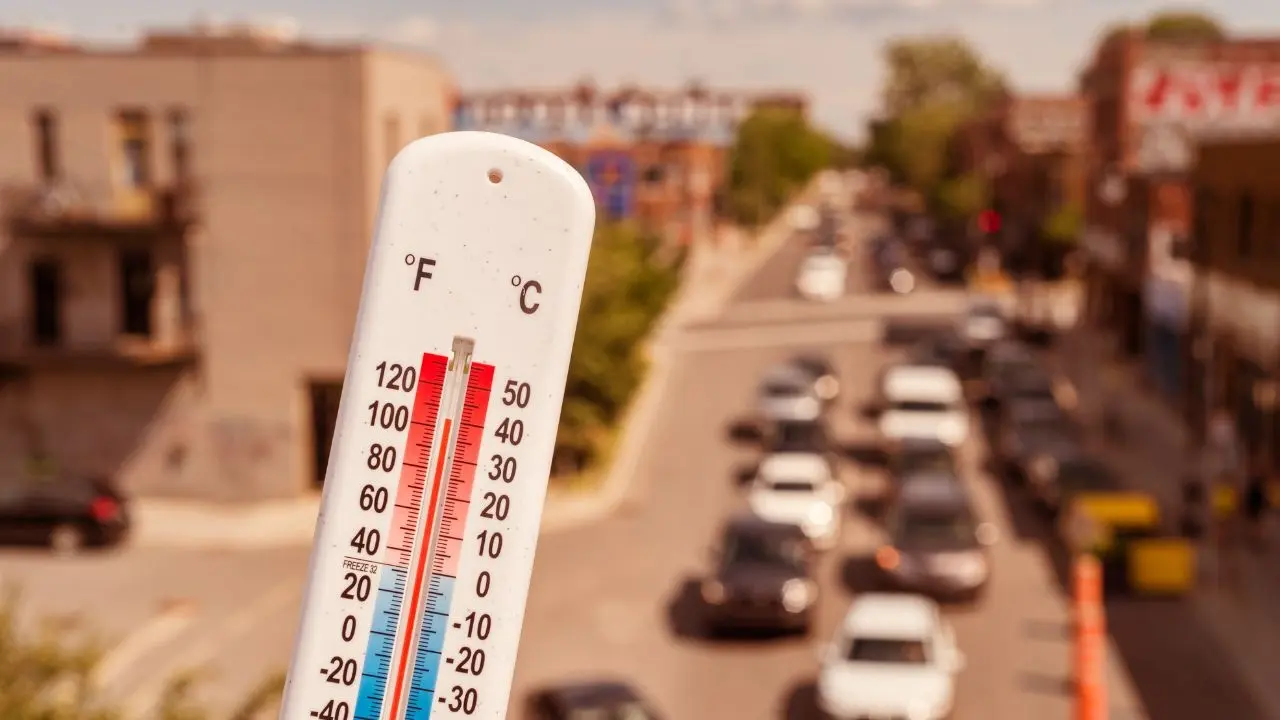
India is among the first countries to experience intense heat in 2026. Several states have already reported temperatures crossing 40°C, with some regions facing official heatwave alerts much earlier than usual. Weather experts have warned that the possible return of El Niño weather conditions could make temperatures even worse while also affecting rainfall patterns and monsoon performance.
This creates risks for:
- heatstroke and dehydration
- water shortages
- crop damage
- electricity demand spikes
For millions of people, especially outdoor workers, this is becoming a major health concern.
Australia Is Experiencing Historic Temperature Records
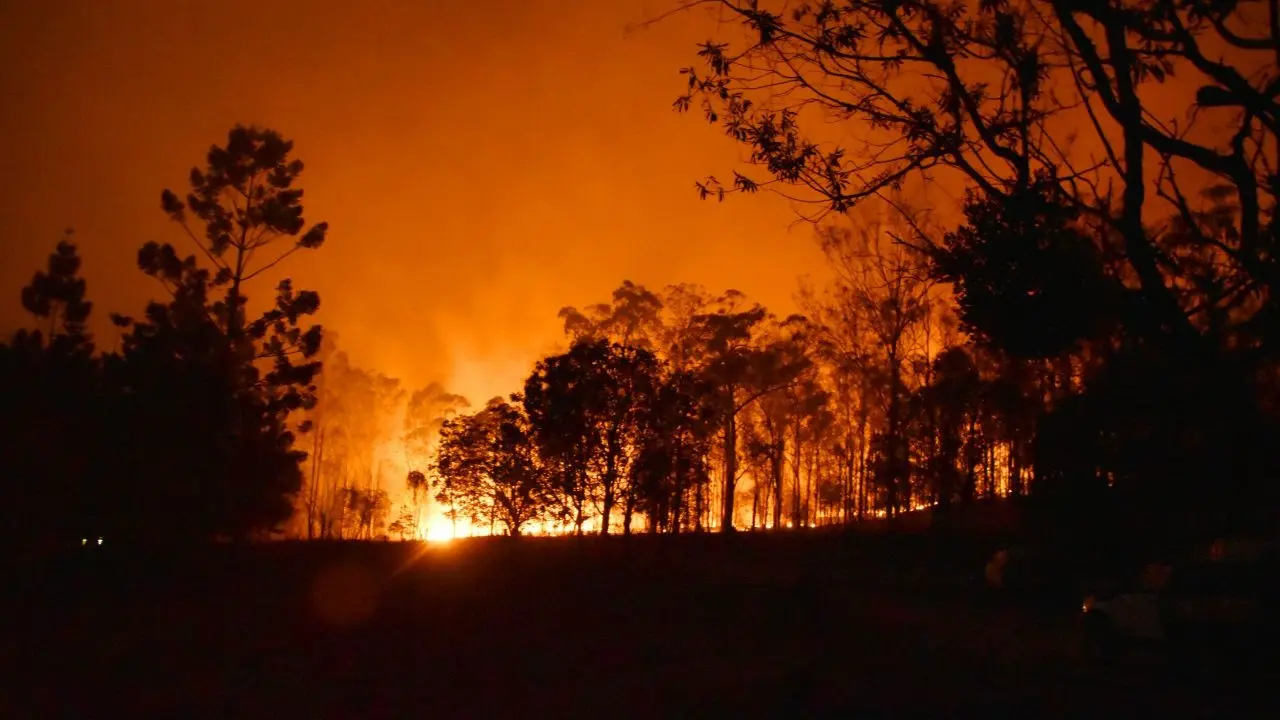
Australia has already experienced one of its harshest heatwaves this year. Some parts of southeastern Australia recorded temperatures approaching 50°C, with officials calling it an unprecedented event. Extreme heat has also fueled bushfires and power outages in several regions.
The combination of:
- record-breaking temperatures
- dry weather conditions
- wildfire risk
has made Australia one of the most climate-vulnerable countries this year.
Europe Is Seeing Widespread Above-Average Temperatures
Large parts of Europe are facing hotter-than-normal weather. Reports suggest that more than 95% of Europe experienced above-average heat recently, making it one of the warmest periods recorded across the continent. Northern regions, which are usually cooler, have also experienced unusually warm conditions.
Countries being closely watched include:
- Spain
- Italy
- France
- Germany
This is increasing concerns over:
- wildfires in Southern Europe
- water shortages
- tourism disruption
United States Facing Extreme Heat in Western Regions
The western part of the United States has also been hit by unusually high temperatures. Climate researchers noted that recent heatwaves across western states were significantly intensified by climate change, with temperatures rising far above seasonal norms.
States under concern include:
- California
- Arizona
- Nevada
This has increased risks of:
- wildfires
- health emergencies
- energy grid pressure
South America Is Also Under Heat Pressure
Countries in South America are not being spared either. Reports show that countries like Argentina and Chile have experienced severe heat, drought conditions, and wildfires. Temperatures in some regions have crossed 40°C, affecting both agriculture and daily life.
This has raised concerns about:
- food production
- forest fires
- livestock stress
Why Are Heatwaves Becoming More Extreme?
Scientists say several factors are contributing to worsening heatwaves:
Climate Change
The long-term rise in global temperatures is making extreme heat events more common and intense.
El Niño Conditions
Weather agencies are monitoring a likely return of El Niño in 2026, which can increase temperatures globally and disrupt rainfall patterns.
Urban Heat Effect
Cities trap more heat because of concrete, buildings, and low green cover, making urban temperatures even worse.
Health Risks During Extreme Heat
Extreme temperatures are not just uncomfortable—they can be dangerous.
Common risks include:
- heat exhaustion
- heatstroke
- severe dehydration
- low blood pressure
- fatigue and dizziness
Children, elderly individuals, and outdoor workers are especially vulnerable during extreme heatwaves.
How to Stay Safe During Heatwaves
To reduce health risks:
- Drink more water throughout the day
- Avoid going outdoors during peak afternoon hours
- Wear light and breathable clothing
- Use fans, cool showers, or air conditioning
- Eat hydrating summer foods like fruits and salads
Small lifestyle changes can significantly reduce heat-related risks.
What Experts Predict for Summer 2026
Climate experts believe summer 2026 may continue to see:
- higher-than-normal temperatures
- more frequent heatwave alerts
- wildfire activity
- water stress in vulnerable regions
If El Niño strengthens further, several regions may face even hotter months ahead.
Final Thoughts
The 2026 heatwave situation is a reminder that extreme weather is becoming a regular part of global life. Countries across Asia, Europe, Australia, North America, and South America are already seeing warning signs.
Staying informed, following local weather alerts, and taking personal precautions will be critical in the months ahead.
Disclaimer
This article is for informational purposes only. Weather patterns may change based on updated forecasts and regional climate developments.