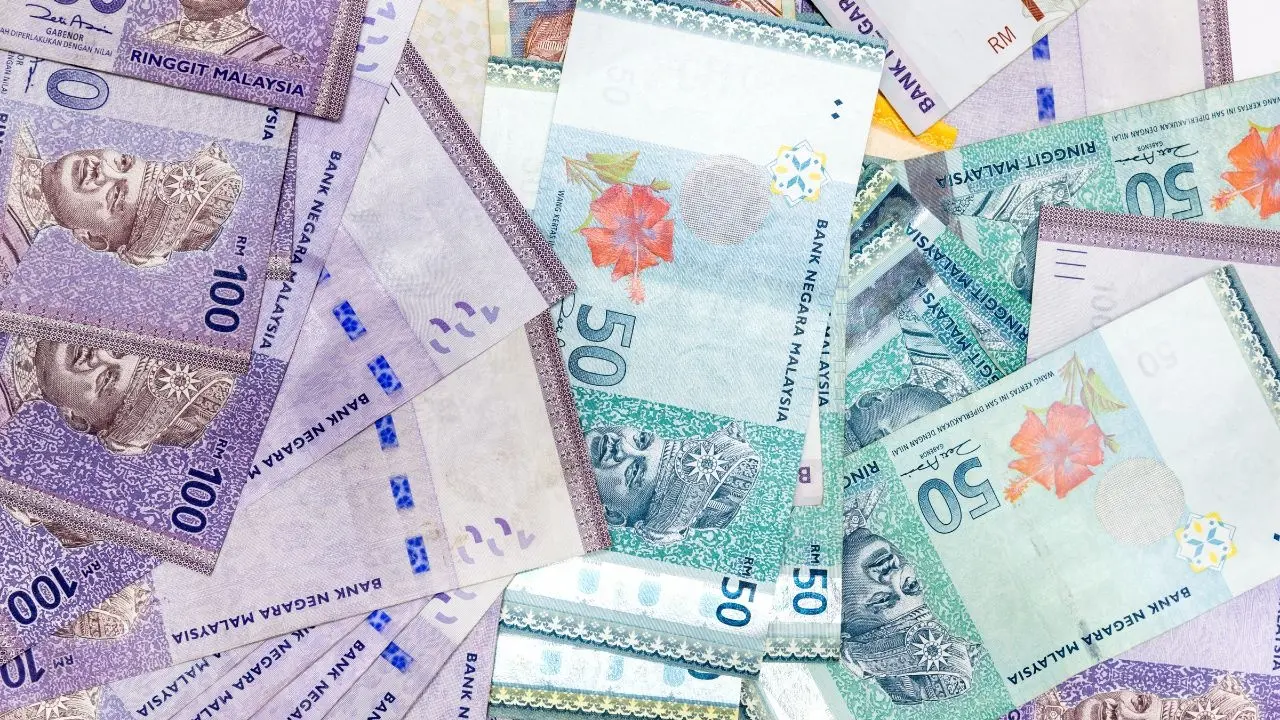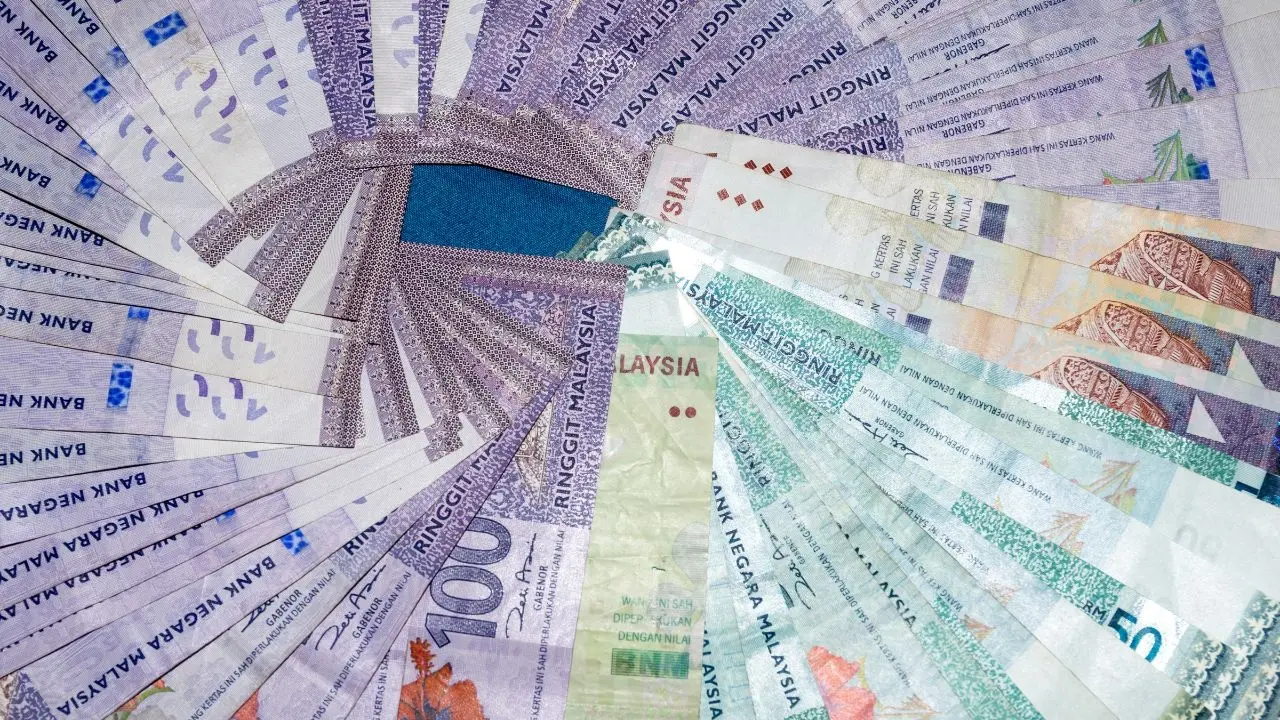
On Monday, Malaysia’s ringgit maintained a steady position against the US dollar despite pressures from the global market. Investors are gravitating towards safer assets due to escalating geopolitical tensions, particularly in the Middle East, creating a cautious sentiment around financial markets.
During early trading, the ringgit was seen around the 3.95 mark against the US dollar. This reflects a defensive attitude among traders, who prefer the US dollar as a safe haven amidst ongoing global uncertainties.
Experts highlighted that rising tensions near the Strait of Hormuz, a vital oil shipping lane, have contributed to currency and commodity volatility. Oil prices spiked sharply, with Brent crude nearing $96 per barrel and US West Texas Intermediate approaching $90, spurred by supply worries amidst geopolitical risks.
The robust US Dollar Index (DXY), which measures the dollar's performance against a basket of major currencies, has also placed additional pressure on emerging currencies like the ringgit. A stronger dollar generally diminishes the attractiveness of riskier assets and redirects capital towards the US market.
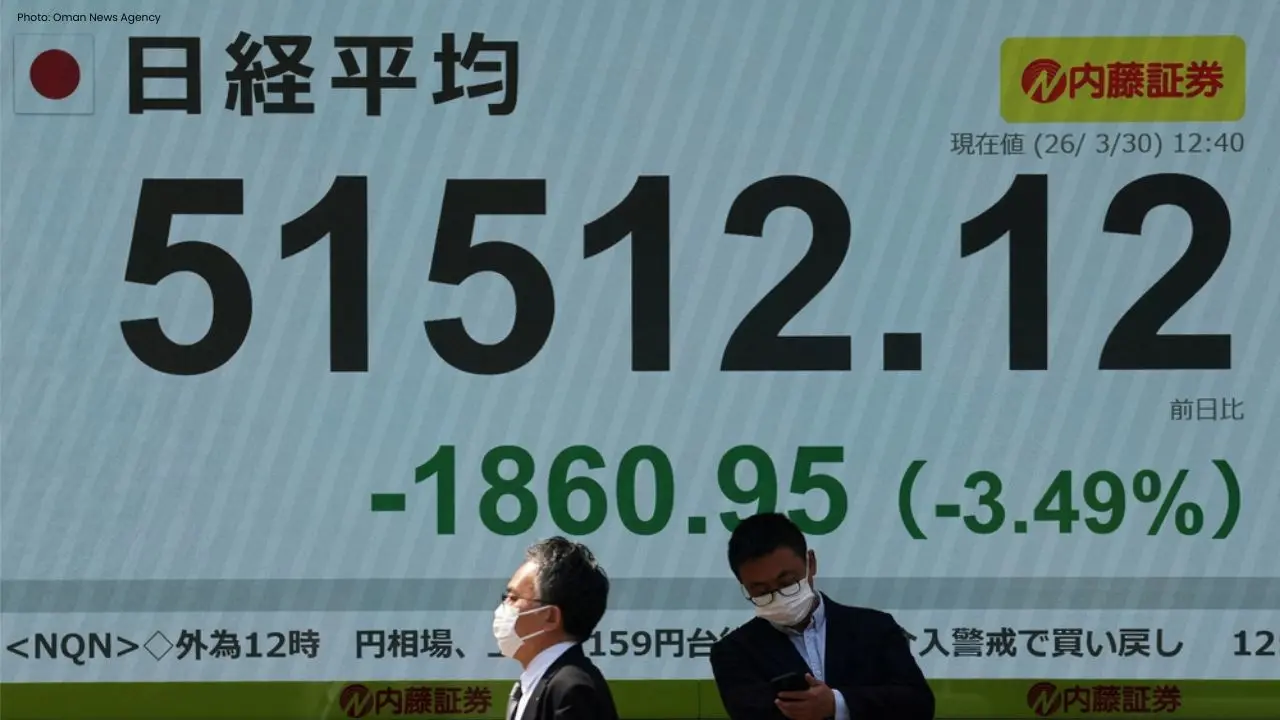
In spite of these pressures, the ringgit exhibited strength against several key currencies. It appreciated against the euro, British pound, and Japanese yen, demonstrating some localized strength due to regional currency variations. Nevertheless, the performance against ASEAN currencies was mixed, reflecting diverse economic circumstances across the region.
Economists warn that the ringgit may continue to experience downward pressure in the near term, particularly with the impending deadline of a temporary ceasefire in the Middle East. Any escalation in tensions could further bolster the US dollar and enhance risk-off behavior in global markets.
In conclusion, the currency market remains highly reactive to geopolitical events, energy price fluctuations, and signals from central banks. Investors are keenly observing any developments for signs of either stabilization or escalation in the upcoming days.