On Thursday, Beijing voiced strong disapproval of the United States' decision to file murder charges against former Cuban President Raul Castro. Chinese officials criticized Washington for allegedly using its judicial system to exert political pressure on Cuba and meddle in the affairs of another sovereign state.
During a routine press conference in Beijing, Guo Jiakun, spokesperson for the Chinese Foreign Ministry, asserted that China opposes what it views as the misuse of judicial processes and sanctions directed at Cuba. He called for the US to cease employing legal tactics and economic coercion as means of control.
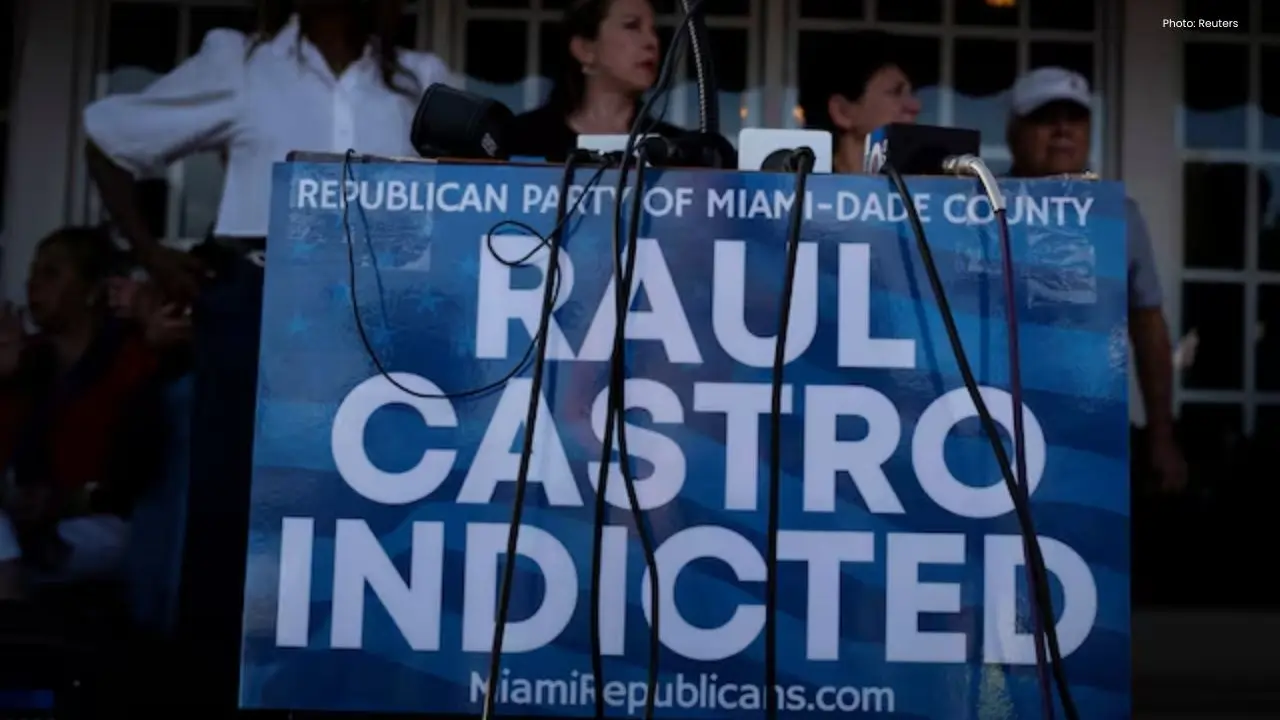
These statements followed the US Department of Justice's announcement of charges against Raul Castro in Miami, sparking swift international political reactions, particularly from nations that have close ties with Cuba and reject US sanctions.
China reiterated the importance of respecting Cuba's sovereignty and independence, warning against any coercive actions aimed at Havana. They urged Washington to refrain from moves that could escalate tensions between the two nations.
Outside the Versailles Cafe in Miami, members of the Cuban community gathered after the charges were announced. Photos from the location depicted both protesters and supporters reflecting the mixed sentiments tied to the legal proceedings against the former Cuban leader. This event has reignited the enduring divide in US-Cuba relations.
China and Cuba share a long-standing relationship marked by strong diplomatic and economic bonds, with Beijing frequently standing by Havana against international sanctions. Chinese representatives have consistently denounced unilateral sanctions and external political pressures imposed by powerful countries.
This latest conflict adds further complexity to the already fraught geopolitical landscape involving the US, China, and various Latin American allies. Analysts suggest the case may provoke broader discussions surrounding the role of legal systems in international political disputes.
Though there has been no direct response from Washington regarding China's statements, the issue is poised to persist as a focal point in global diplomatic dialogues in the days ahead as further reactions come in from around the world.