In 2026, US military operations targeting suspected drug cartel vessels have emerged as a contentious global issue. These strikes, aimed at combating drug trafficking, have ignited significant discussions around legality, human rights, and their broader implications.
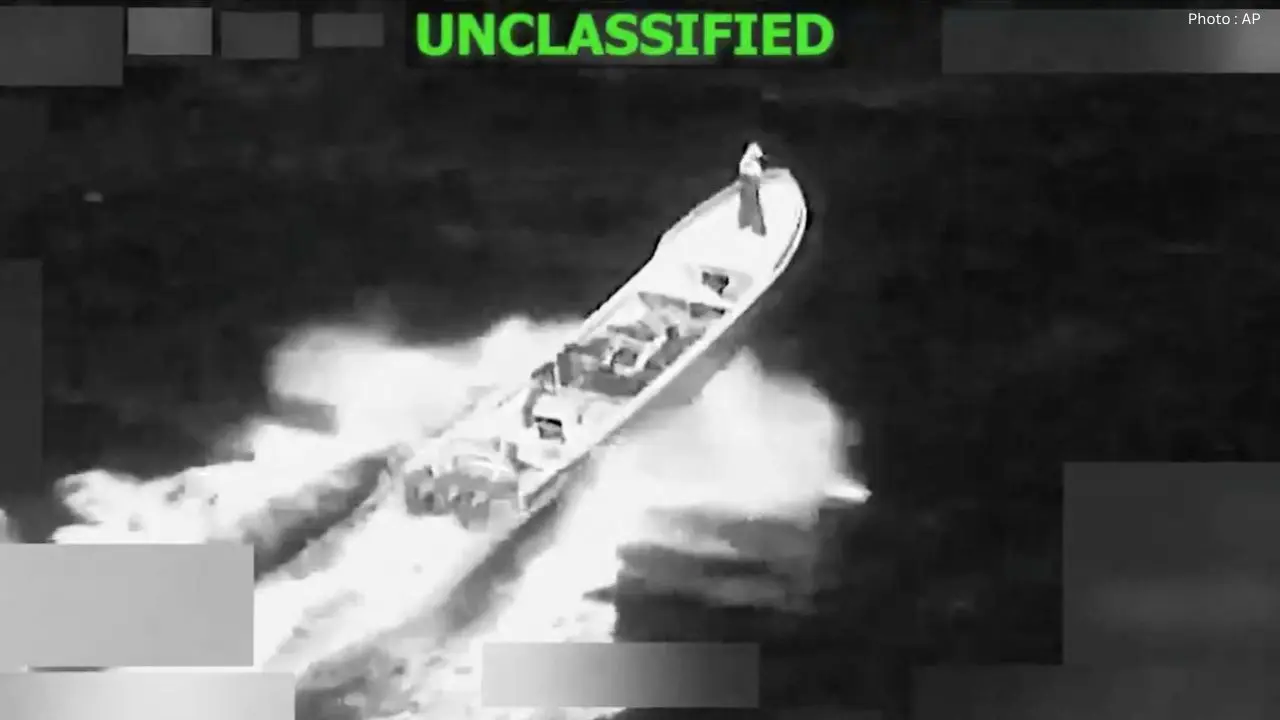
Recent reports indicate that US forces conducted strikes on boats presumed to have ties to drug cartels, operating in international waters. This initiative is part of a larger anti-drug campaign, which has alarmingly resulted in numerous fatalities over recent months. The justification for these actions is to hinder the influx of illegal drugs and dismantle cartel frameworks.
The US government identifies these cartels as critical security threats, linking them to violence and organized crime. By directly confronting them, authorities aim to disrupt their operations efficiently.
Nonetheless, concerns are being raised due to the inadequate public evidence supporting these actions. Frequently, it remains unverified whether the targeted vessels were indeed transporting drugs. Such ambiguity has spurred robust criticism from both legal analysts and human rights advocates.
One primary issue is the implications for international law. Engaging targets in international waters without irrefutable evidence raises significant questions regarding sovereignty and legal boundaries. Detractors argue that these actions may breach international norms and create precarious precedents for other nations.
Human rights apprehensions also lie at the core of this discourse. Reports indicate that individuals aboard these vessels often face deadly assaults without prior warning or due process, inducing fears of unintended civilian casualties and a troubling lack of accountability.
A further critical consideration is the potential for errors. In the chaotic environment of maritime operations, accurately identifying targets can be incredibly challenging. Misjudgments may lead to tragic loss of innocent lives, exacerbating tensions and undermining trust among nations.
Proponents of the military strategy assert that decisive actions are required to combat drug cartels effectively, considering the substantial harm these groups inflict through drug-related violence. From this perspective, military intervention is deemed an essential tool against an escalating crisis.
Conversely, experts caution that military measures alone will not rectify drug trafficking dilemmas. The factors involved are intricate and intertwined with socioeconomic conditions, demand, and global narcotic networks. Meaningful solutions will necessitate enhanced law enforcement, international collaboration, and initiatives aimed at curbing drug use.
This evolving scenario underscores a shift in strategic perspective, treating drug cartels more as threats to security than solely criminal entities. While this has facilitated military engagement, it has simultaneously intensified discussions about where the line should be drawn.
As global scrutiny of US military actions against drug cartels increases in 2026, the conversations surrounding the ramifications of these endeavors gather momentum. The focus extends beyond mere security, delving into issues of justice and human rights.
The forthcoming months are crucial for shaping these policies, with ongoing dialogues likely among governments, legal experts, and international bodies regarding the efficacy and ethical implications of such maneuvers.
The battle against drug cartels has notably transitioned into a more zealous phase. While the objective remains to diminish crime, the strategies employed raise complex questions that demand critical examination.