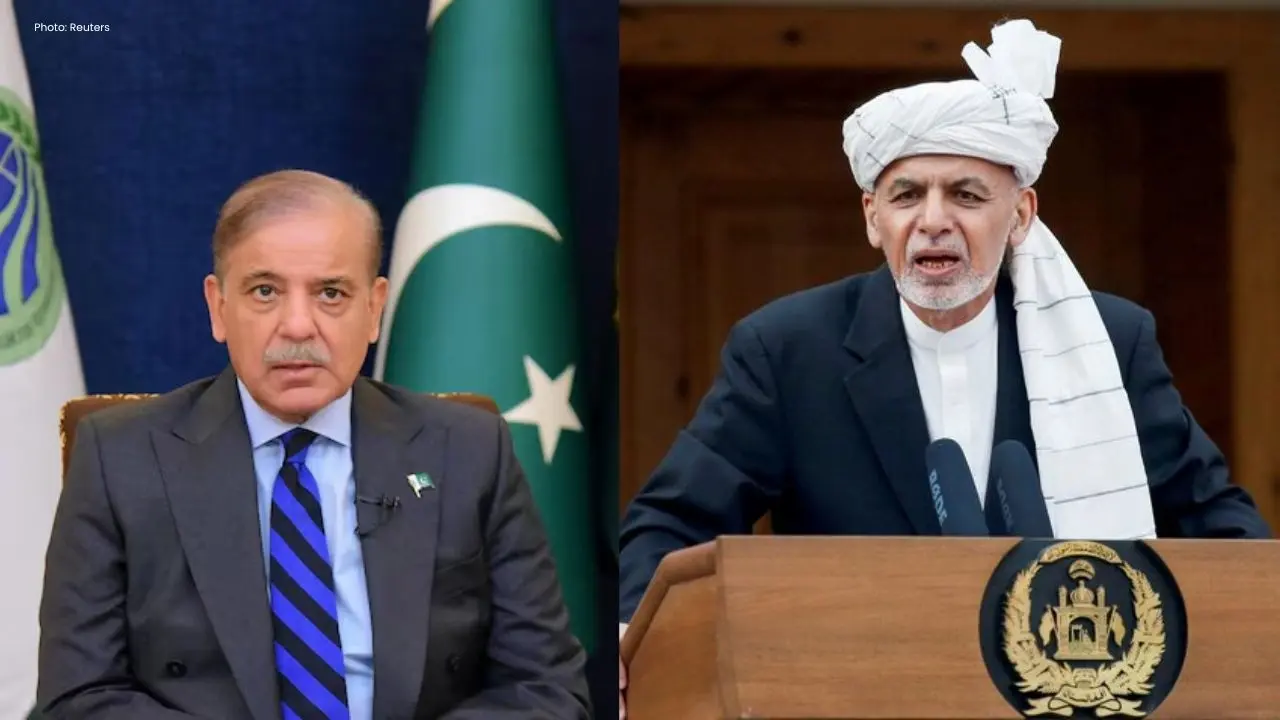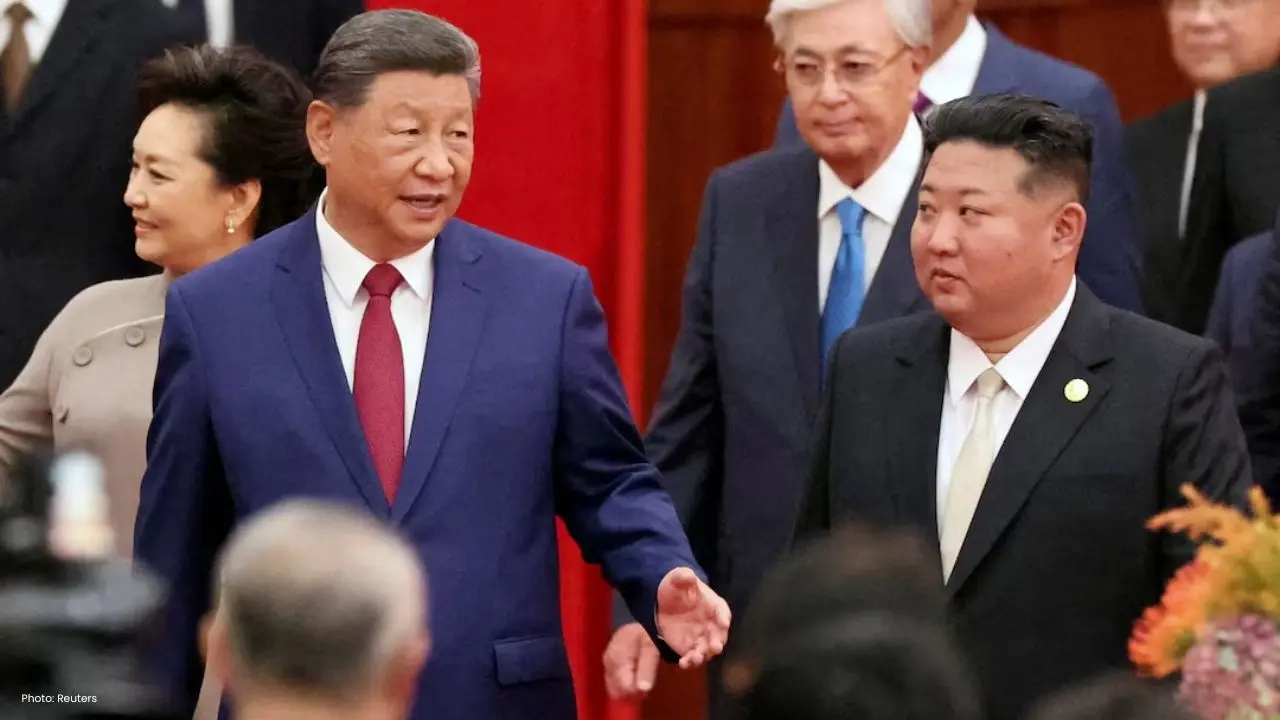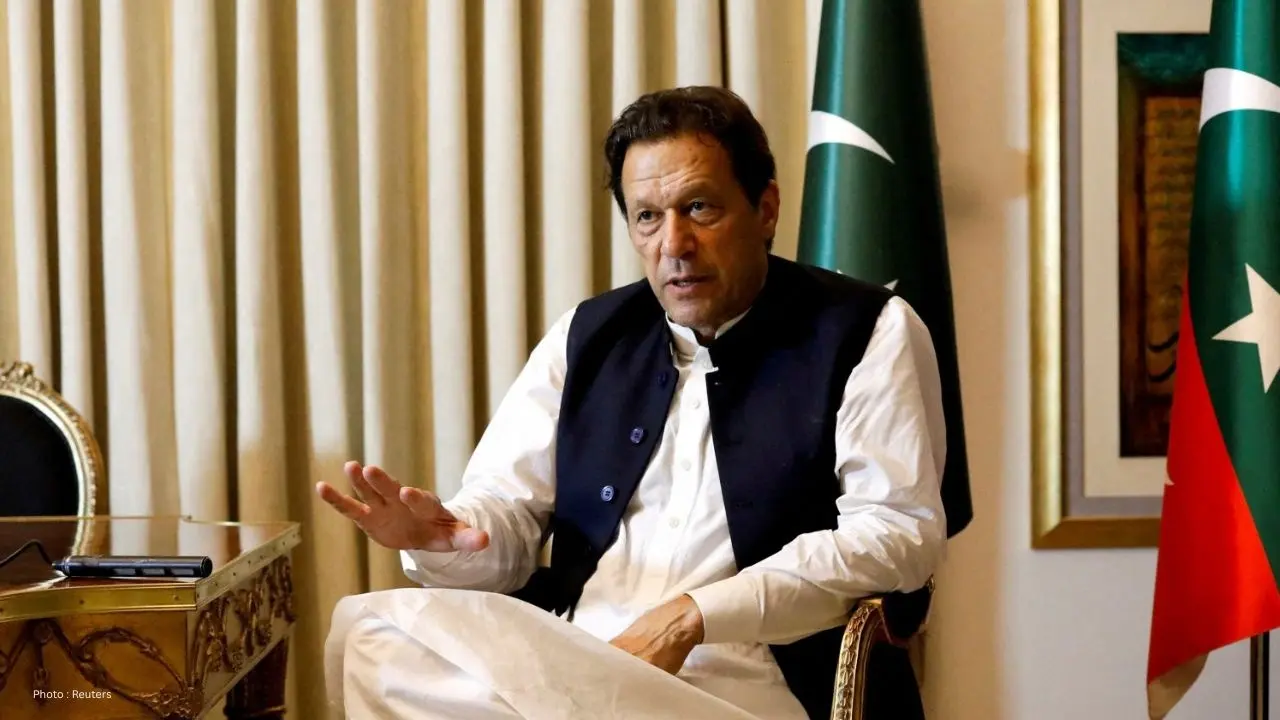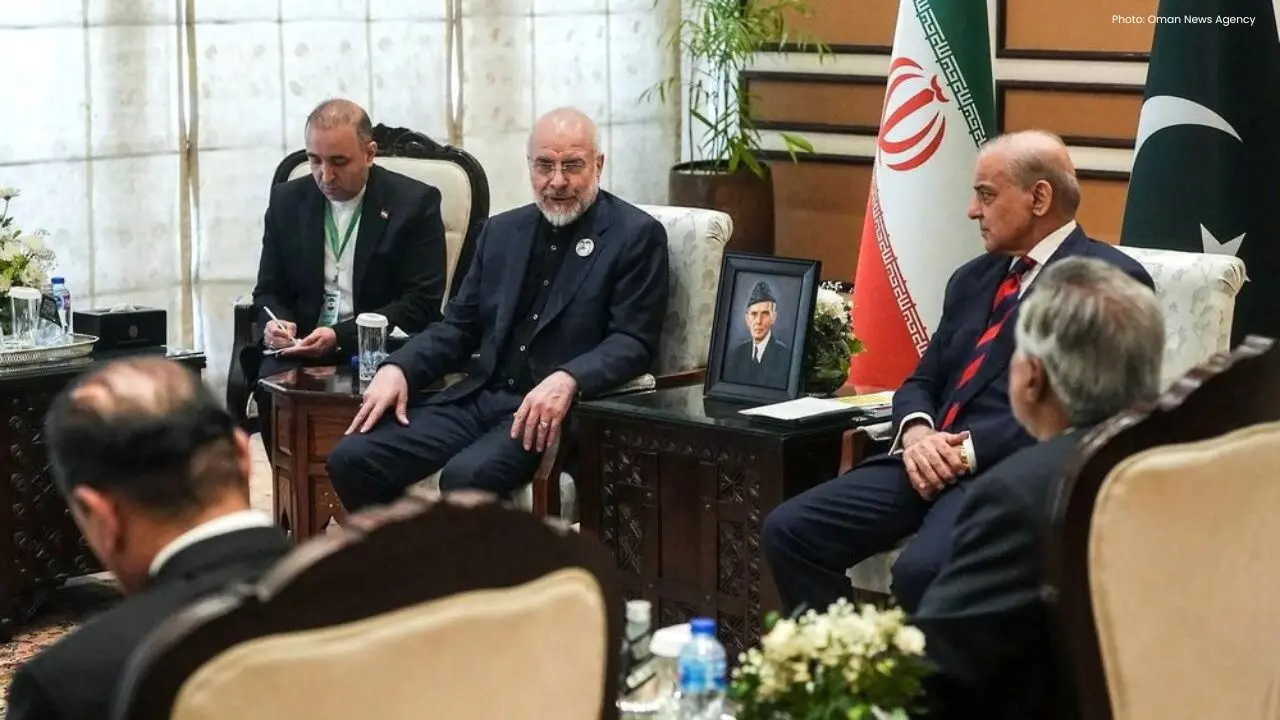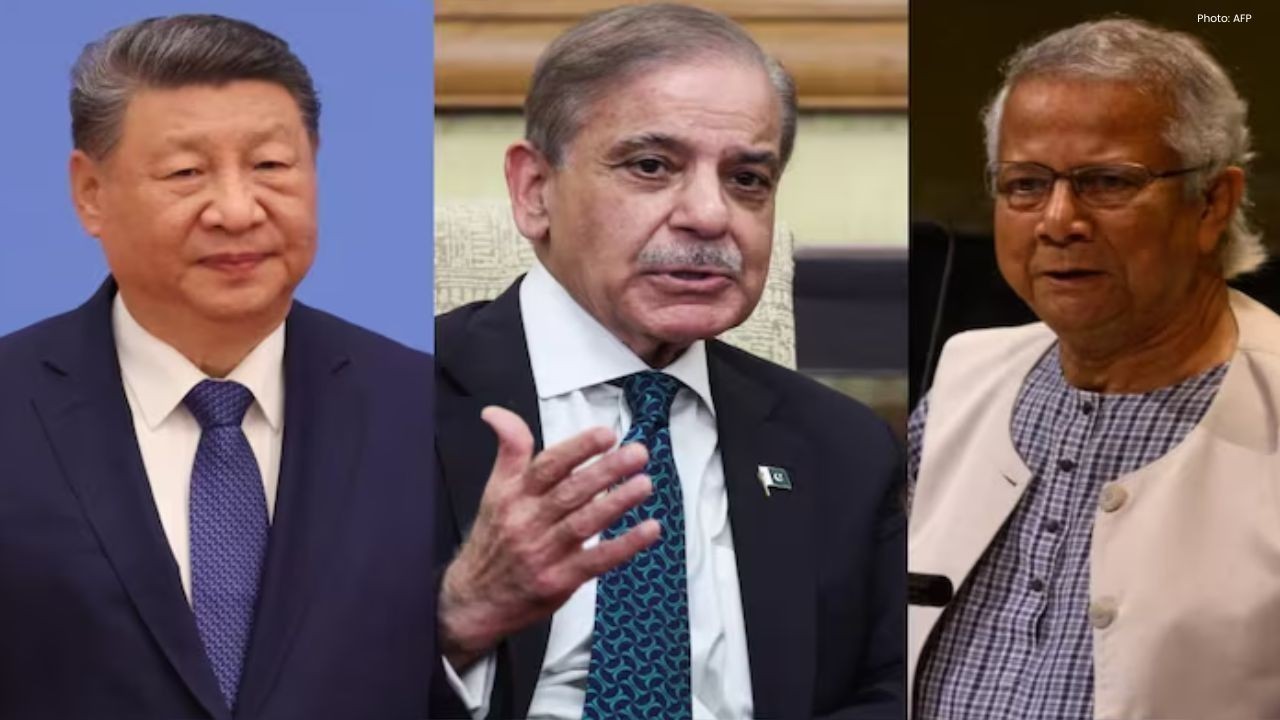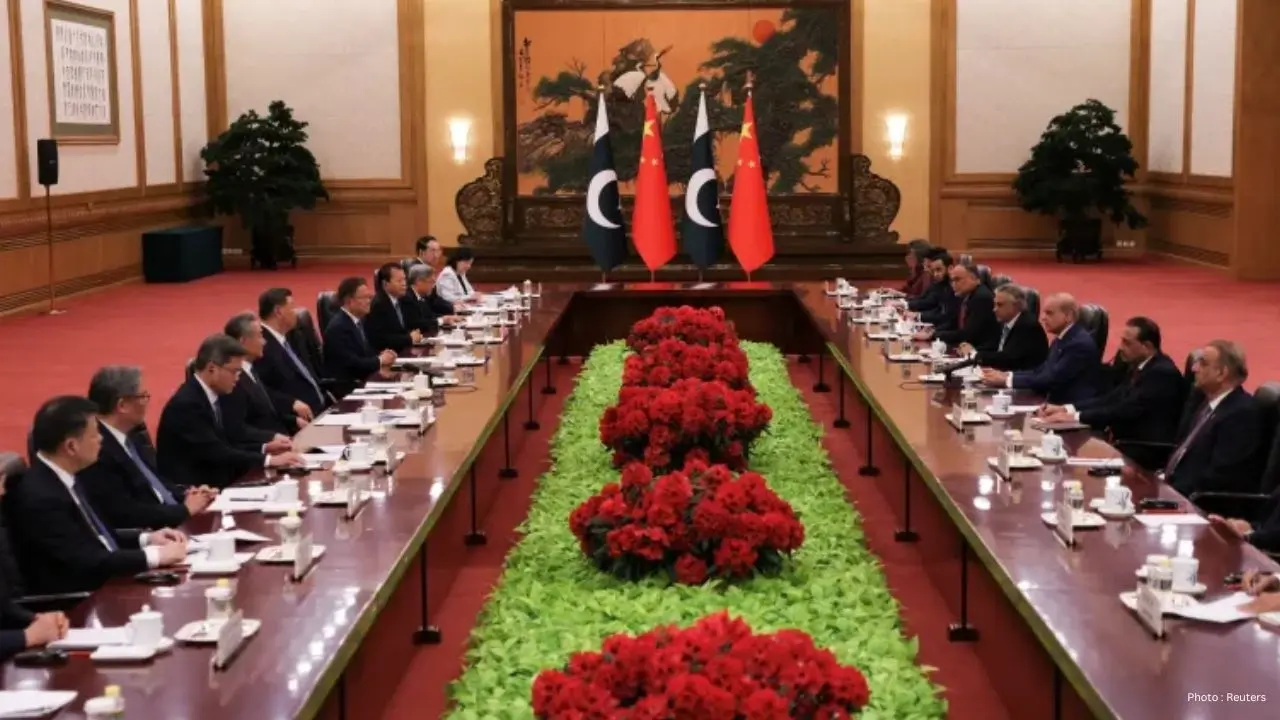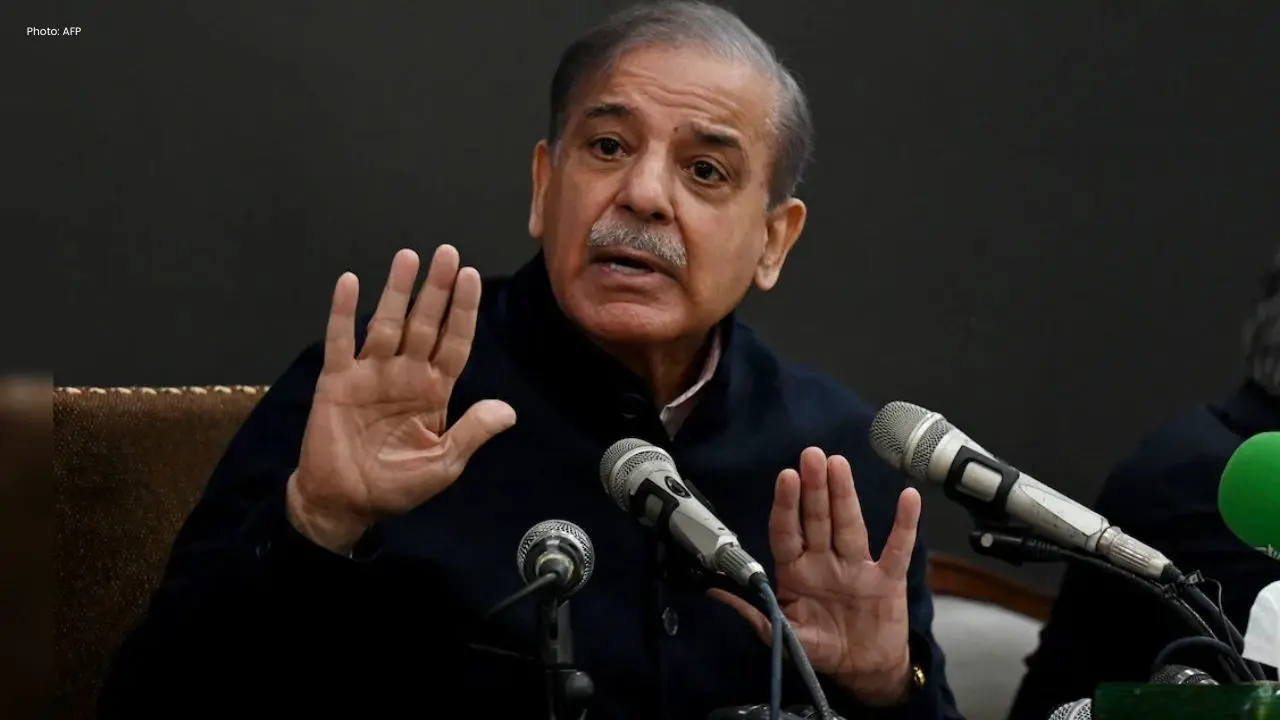
Pakistan’s Prime Minister Shehbaz Sharif will travel to China from May 23 to 26, as announced by the Chinese Foreign Ministry this Thursday. This visit aims to bolster the diplomatic and economic relations between the two neighboring nations.
Scheduled amid rising geopolitical tensions, the trip reflects an upward trend in regional diplomatic activities throughout Asia and the Middle East. Analysts predict discussions will focus on trade partnerships, infrastructure development, and regional stability between Beijing and Islamabad.
For decades, China and Pakistan have nurtured close political and economic ties, with the China-Pakistan Economic Corridor (CPEC) being a crucial aspect of their bilateral relations. This initiative has significantly contributed to infrastructure growth and investment in Pakistan.
While the complete itinerary of Prime Minister Sharif’s trip has yet to be revealed, observers anticipate high-level discussions with key Chinese officials in Beijing. Topics may also include regional security and economic collaboration.
This visit follows the March trip of Pakistani Foreign Minister Ishaq Dar to Beijing, signifying ongoing diplomatic efforts amid escalating tensions in the Middle East. Both nations continue closely to discuss regional peace and global economic stability.
Experts assert that China remains a vital strategic and economic ally for Pakistan, especially as Islamabad seeks foreign investment and trade opportunities to fortify its economy.
This diplomatic engagement demonstrates China's increasing influence in regional matters and its commitment to nurturing stable relationships in South Asia during times of global economic uncertainty.
Political analysts anticipate that the talks between Chinese and Pakistani leaders could lead to new agreements concerning infrastructure, energy collaboration, technological investments, and improvements in trade connectivity through ongoing projects.