Amid rising tensions concerning Iran and the vital Strait of Hormuz, the United States is ramping up diplomatic discussions with its close allies. US Secretary of State Marco Rubio held meetings with officials from both the United Kingdom and Australia, focusing on the pressing need to ensure freedom of navigation in this essential oil shipping route.
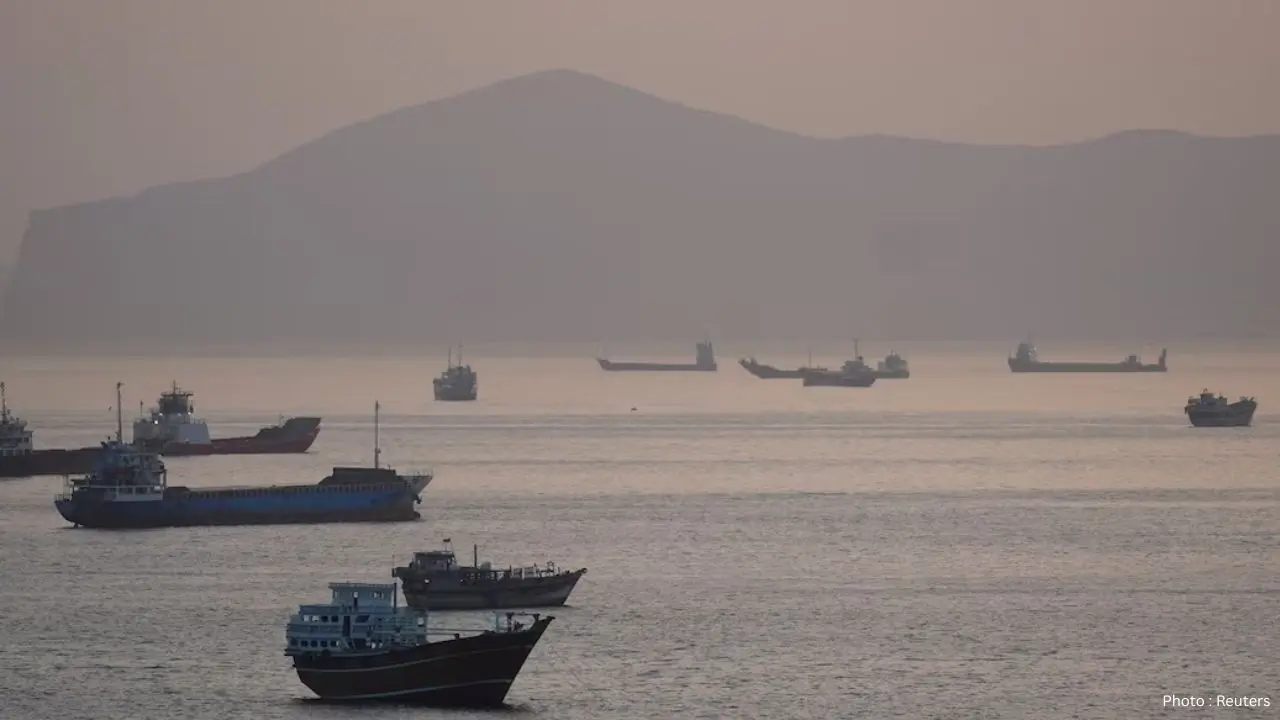
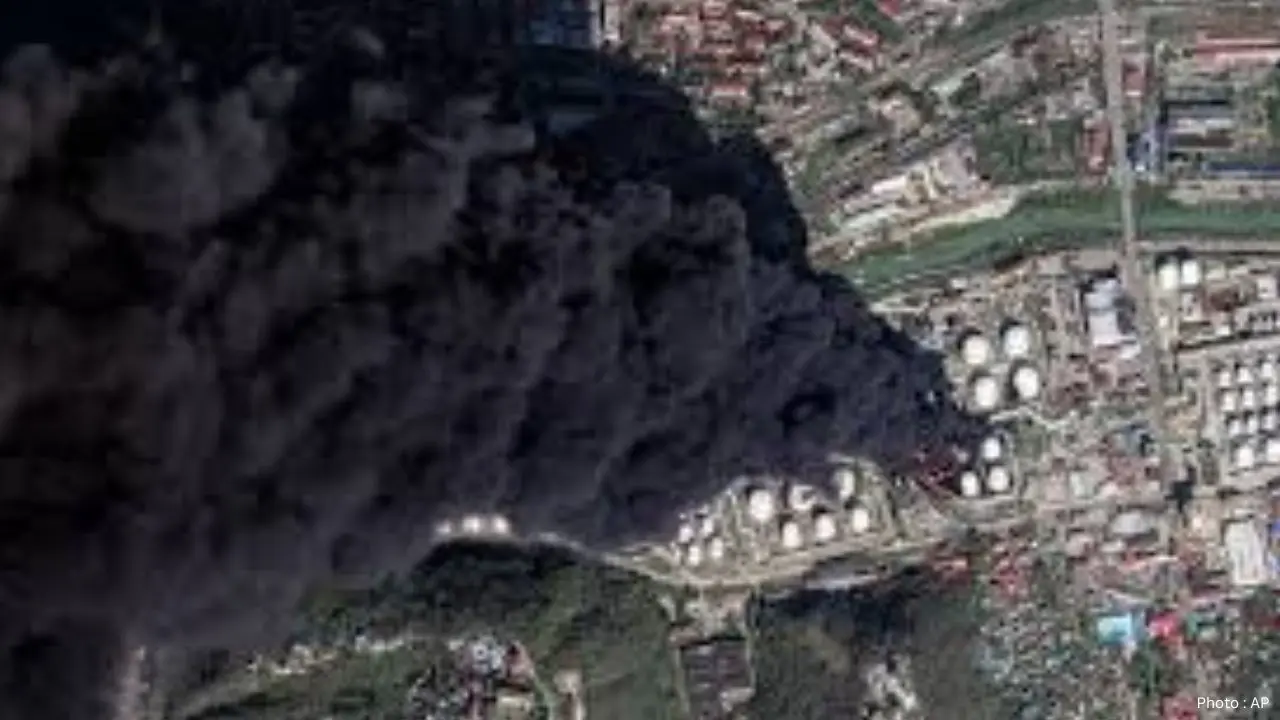
Strategically located between Iran and Oman, the Strait of Hormuz, despite its small size, facilitates almost one-fifth of global oil and gas shipments. Disruptions here could significantly impact international energy prices and economic stability. Recently, fears of escalating conflict have heightened as relations between the US and Iran remain fraught with tension.
Post-discussion statements revealed that the United States addressed “ongoing efforts to restore freedom of navigation” within the Strait of Hormuz, underscoring Washington's grave concern regarding threats to these international shipping lanes. The US aims to bolster unity among its allies to prevent a more substantial crisis in the Gulf.
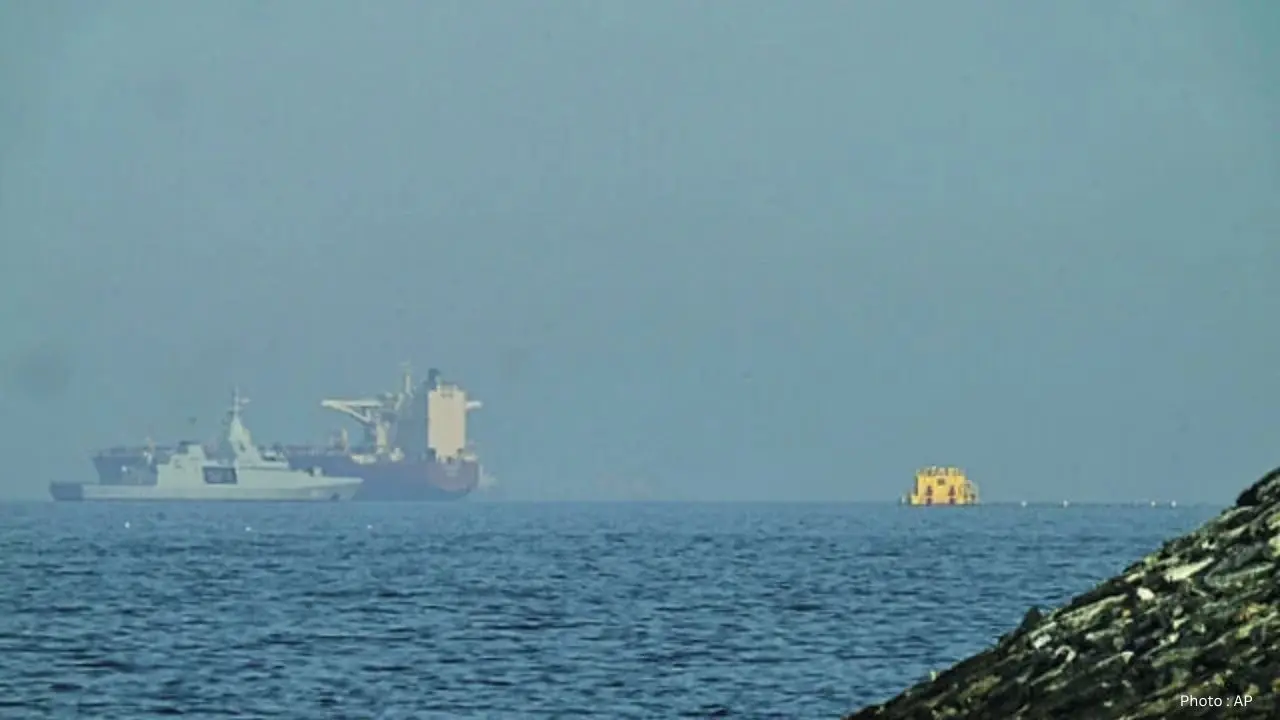
The gravity of the situation has intensified, with reports indicating a notable slowdown in shipping traffic through the Strait. Oil tankers and cargo vessels face escalating risks amidst military tensions, leading some ships to disable their tracking systems in an attempt to avoid potential attacks.
This crisis is beginning to exert pressure on global oil markets, with prices already climbing as traders speculate on potential supply shortages if the route is fully obstructed. Experts warn that a prolonged closure of the Strait of Hormuz could trigger a significant energy disruption on a global scale, and nations reliant on oil imports are closely monitoring the evolving situation.
The United States is actively rallying international cooperation to safeguard this maritime corridor. Britain and Australia, both key naval partners, play a critical role in these collaborative efforts. Recent diplomatic engagements indicate a US intention to strengthen coordination with allies before circumstances escalate further.
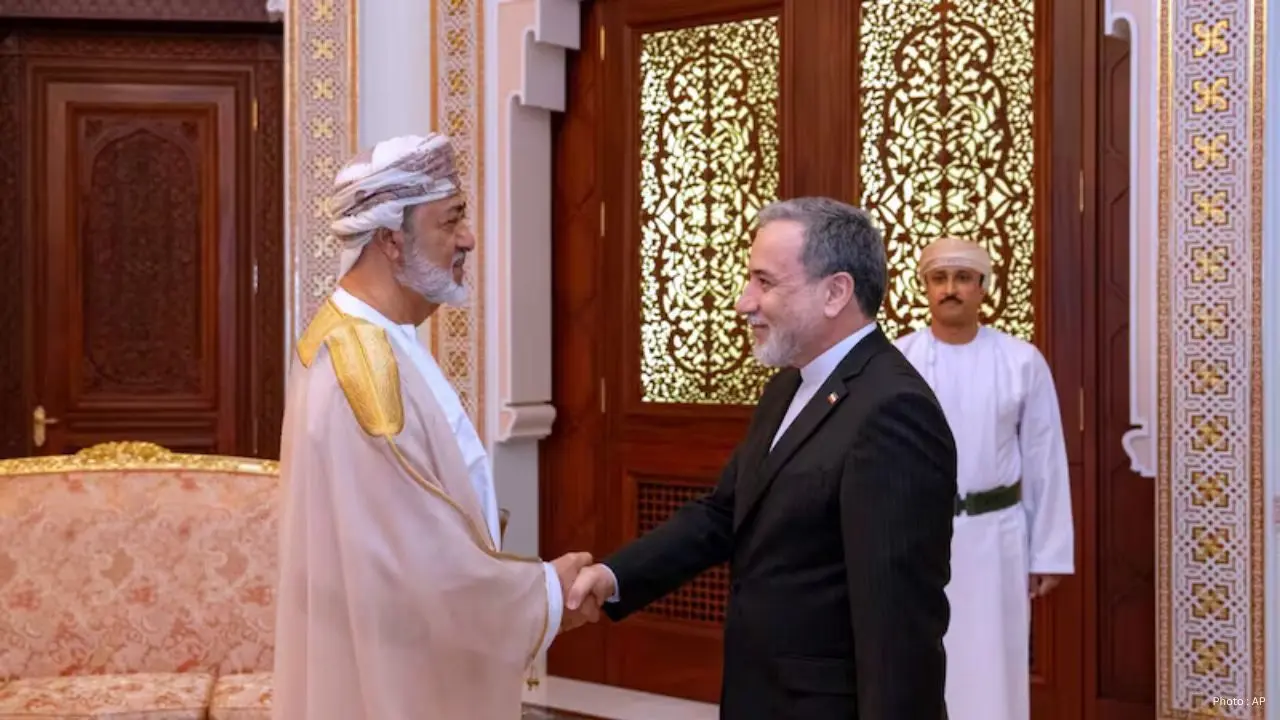
In parallel, diplomatic initiatives aimed at easing tensions with Iran appear to lack momentum. Reports indicate that peace negotiations between the US and Iran are stalling, with US officials expressing concern over Iran's responses to diplomatic overtures, while Iranian authorities continue to push for sanctions relief and recognition of their regional position.
This crisis is extending its reach beyond the Middle East, as financial markets exhibit volatility, oil-importing countries face pressures, and some currencies weaken owing to rising fuel costs. For example, India's rupee recently hit a record low amidst fears of increasing crude oil prices tied to tensions in the Gulf.
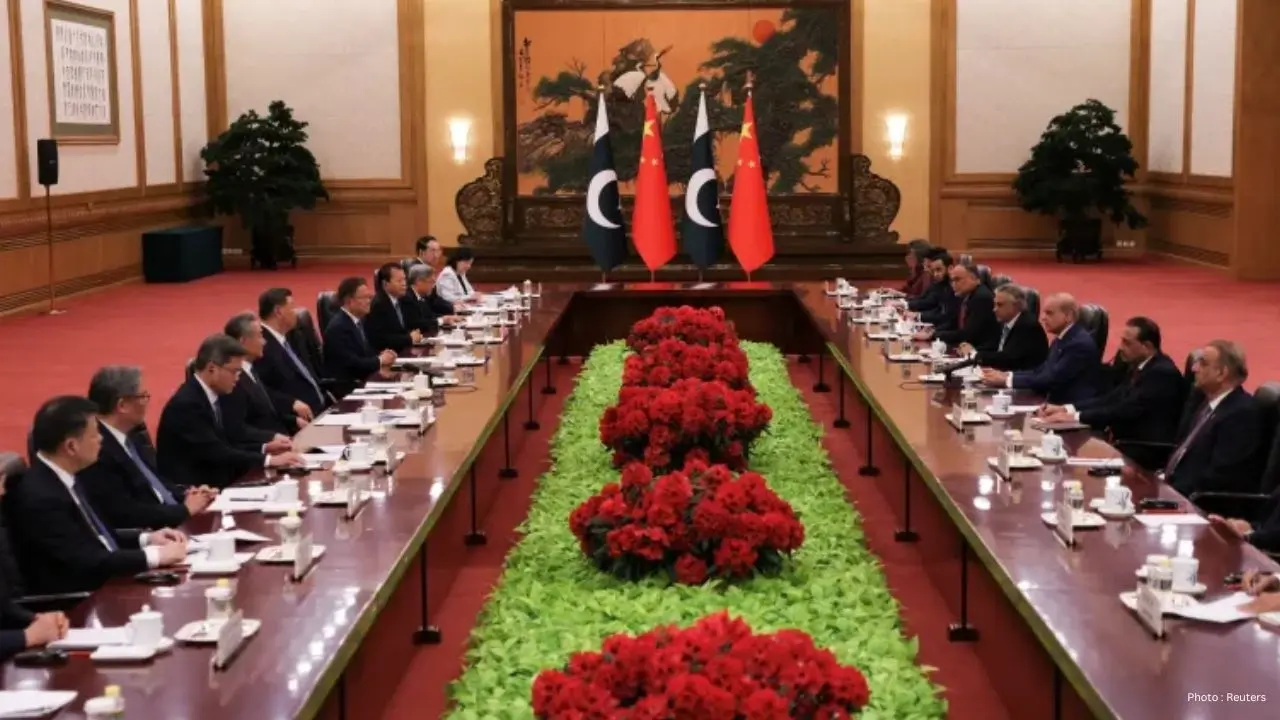
Many analysts observe that the Strait of Hormuz has emerged as a focal point in a broader global power struggle that extends beyond just the US and Iran. It now also involves significant economies such as China and European nations committed to stable shipping routes and energy supplies.
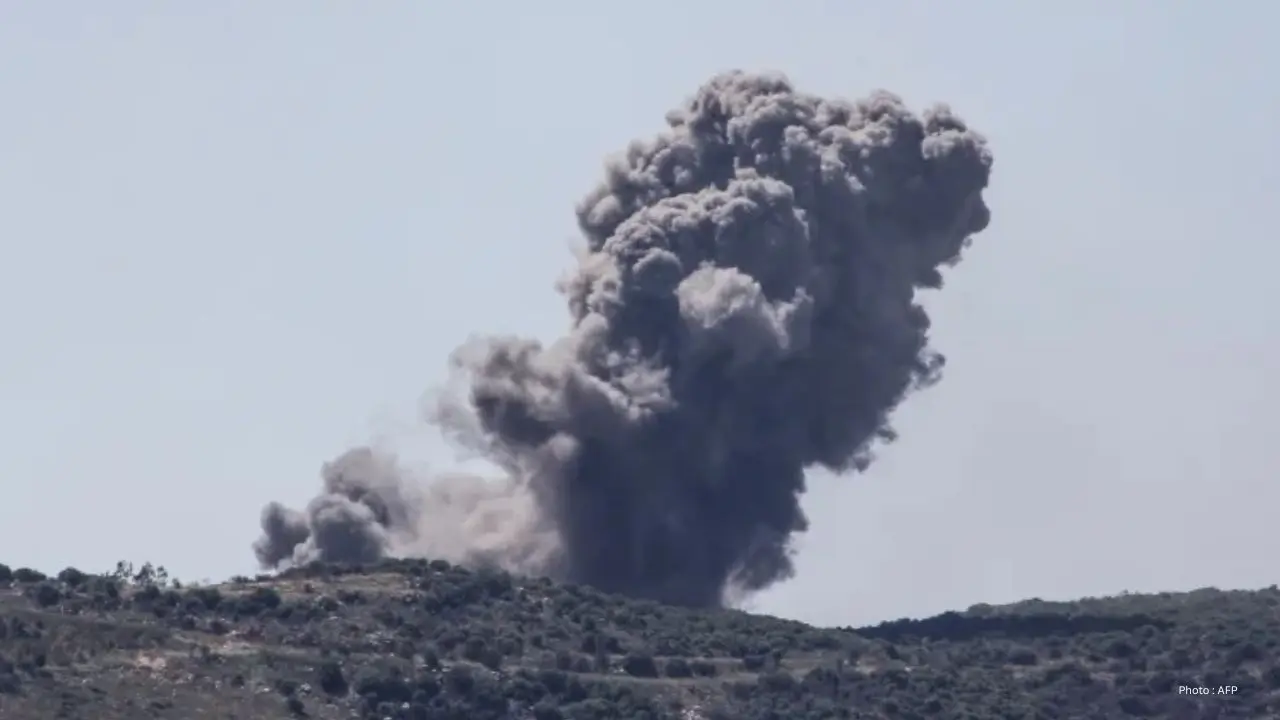
Increasing tension raises the prospect of military escalation, with recent reports highlighting naval operations and missile threats in the Gulf area. Despite ongoing calls for dialogue from world leaders, the risk of misunderstanding or an abrupt conflict remains elevated.
While the impacts of this crisis may seem remote, they could be profound for individuals worldwide. Escalating oil prices often translate into higher transportation costs, increased food prices, and inflation. Developing nations may be the most vulnerable, which is why many governments are advocating for all parties to exercise restraint in actions that could exacerbate the situation.
The latest dialogues between the United States, Britain, and Australia highlight a growing concern among global powers regarding the stability of the Gulf region. As discussions progress, the fate of the Strait of Hormuz hangs in the balance, and upcoming days may prove critical in determining if diplomacy can ease tensions or if the region edges closer to a significant international crisis.