The escalating friction between the United States and Iran is causing turmoil in global oil markets, igniting fears over supply chains and crucial trade routes. Recently, Iran has extended a proposal aimed at reopening the Strait of Hormuz, a vital conduit for international oil transport.
The Strait of Hormuz is instrumental, carrying a significant volume of oil daily. Disruptions in this narrow corridor can swiftly impact fuel availability and prices worldwide. In recent weeks, disturbances in this area have already triggered shipping delays and escalated energy costs.
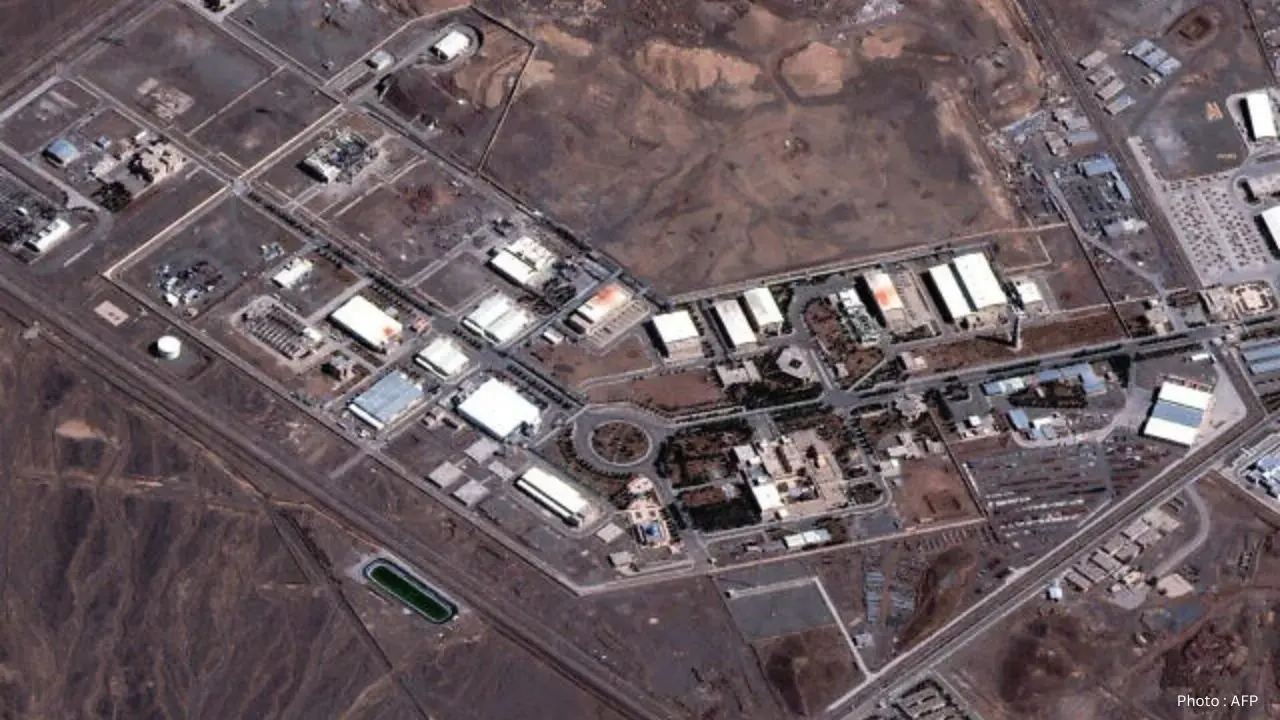
As part of its offer, Iran has indicated a willingness to relax its grip on the Strait in return for the lifting of the US naval blockade on its ports. This initiative offers a glimmer of hope for achieving stability, although a firm agreement remains elusive. Concurrently, the US continues to voice apprehensions regarding Iran’s nuclear ambitions, complicating negotiations.
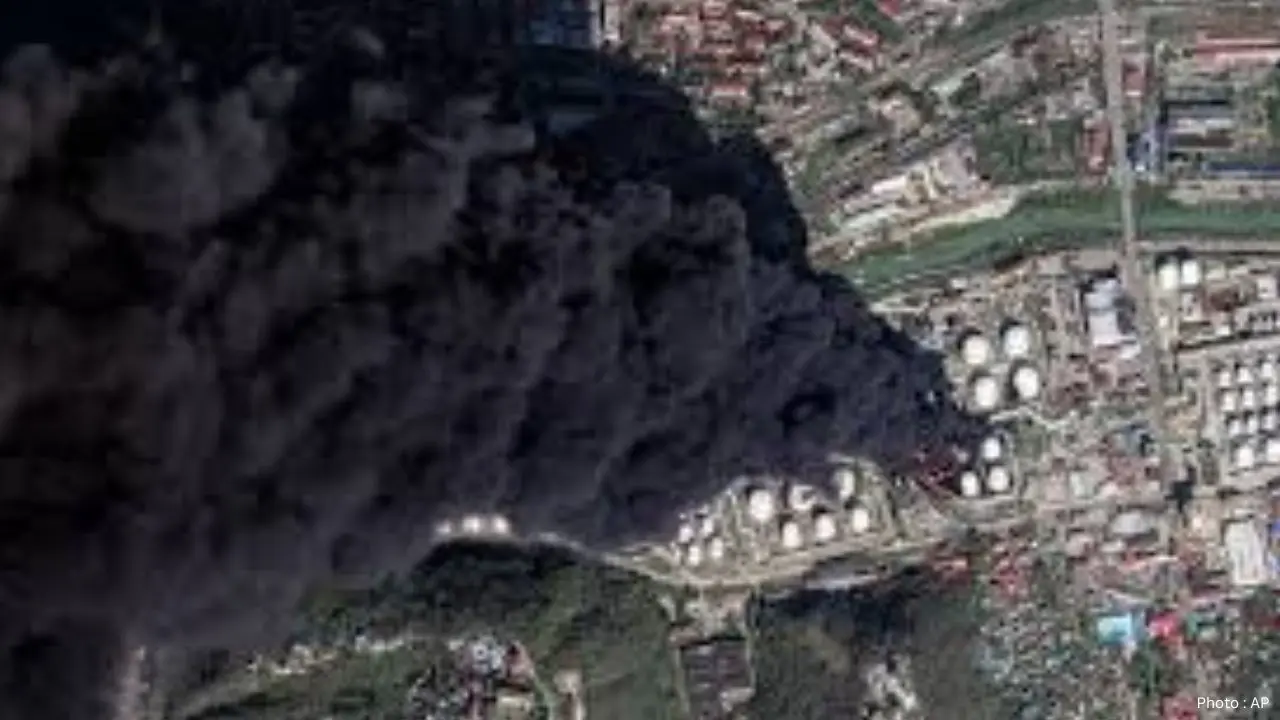
The tensions between the two nations have significantly reverberated across the global economy. Rising oil prices are inflating transportation fees, consequently raising the costs of essential goods such as food and other daily necessities. Countries dependent on oil imports are experiencing heightened stress and financial pressure.
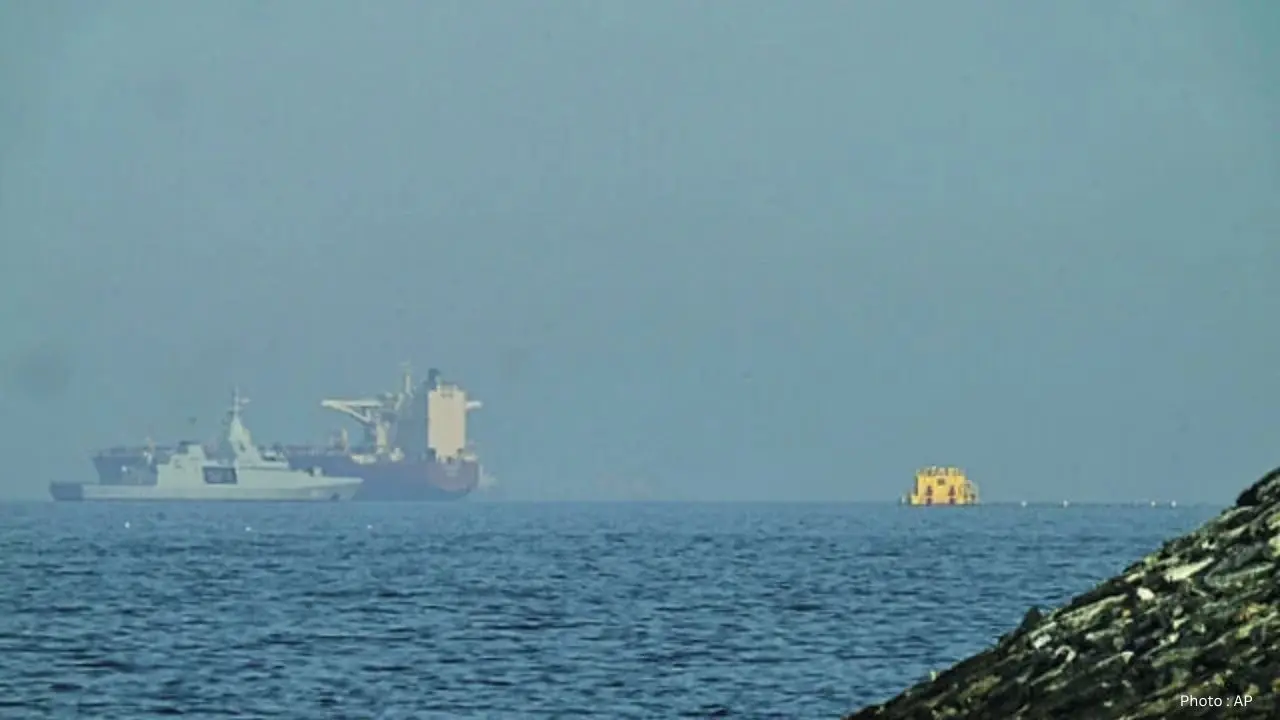
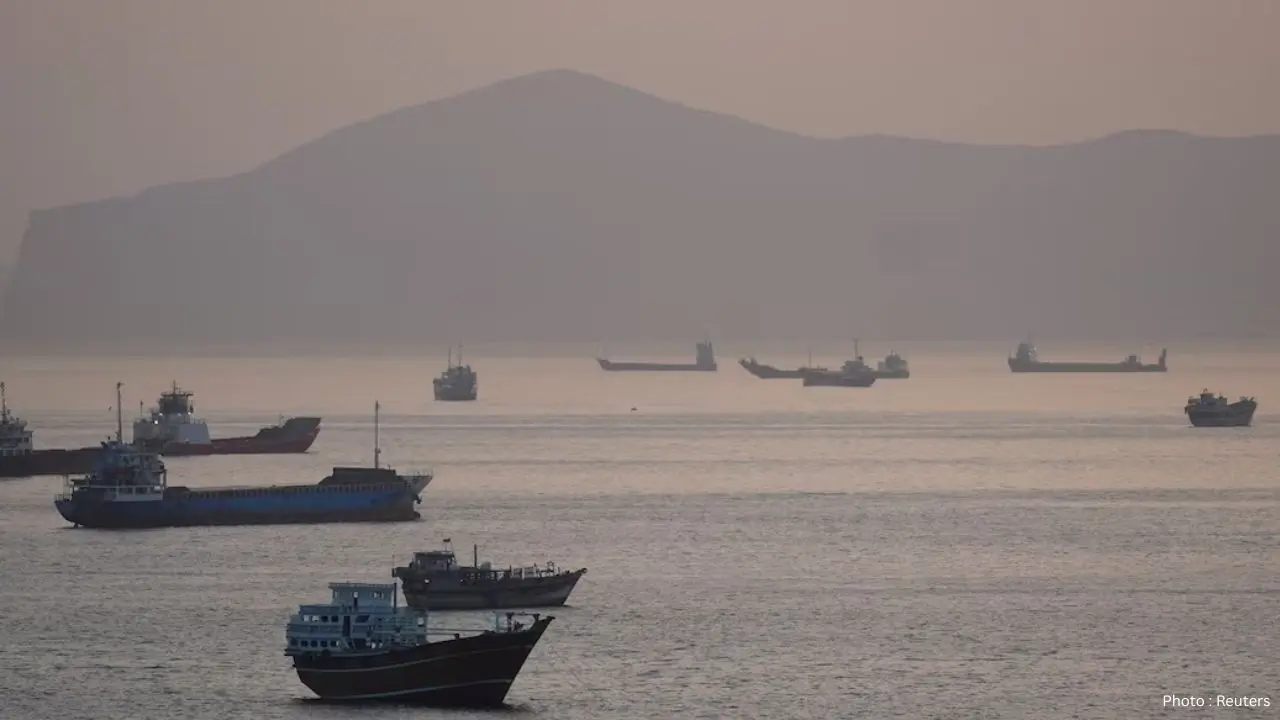
Furthermore, shipping activities in the region have been adversely affected. Numerous vessels face increased risks, delays, or must alter their routes due to the prevailing uncertainty. This has disrupted global trade, resulting in apprehension in financial markets.
Though the risk of direct conflict appears to have decreased recently, tensions persist. A continued military presence in the area fosters fear of further escalation, contributing to the volatility of oil prices, which remain susceptible to unfolding developments.
Iran’s initiative signifies the potential for diplomatic discussions. However, reaching a consensus will take time given the substantial demands from both parties and a prevailing lack of trust. Absent significant progress, ongoing tensions may perpetuate instability globally.
This crisis emphasizes the critical role of the Strait of Hormuz in worldwide trade and energy resources. Disruption in this singular corridor can have far-reaching consequences on global economies, illustrating the interconnected nature of nations through energy and commerce.
Meanwhile, ongoing efforts from other nations to facilitate dialogue are continuing, albeit at a slow pace. The forthcoming days will be pivotal in determining whether this proposal can foster a resolution or lead to an escalation of tensions.
The US-Iran situation remains a significant concern for the global economic landscape, with reverberations felt far beyond the immediate region.