A recent intelligence assessment from the United States has delivered unexpected insights regarding Iran's nuclear capabilities. Despite ongoing military engagements, the report indicates that Iran remains at the same level of nuclear weapon potential as it was prior to the conflict, sparking significant concerns about international security and military effectiveness.
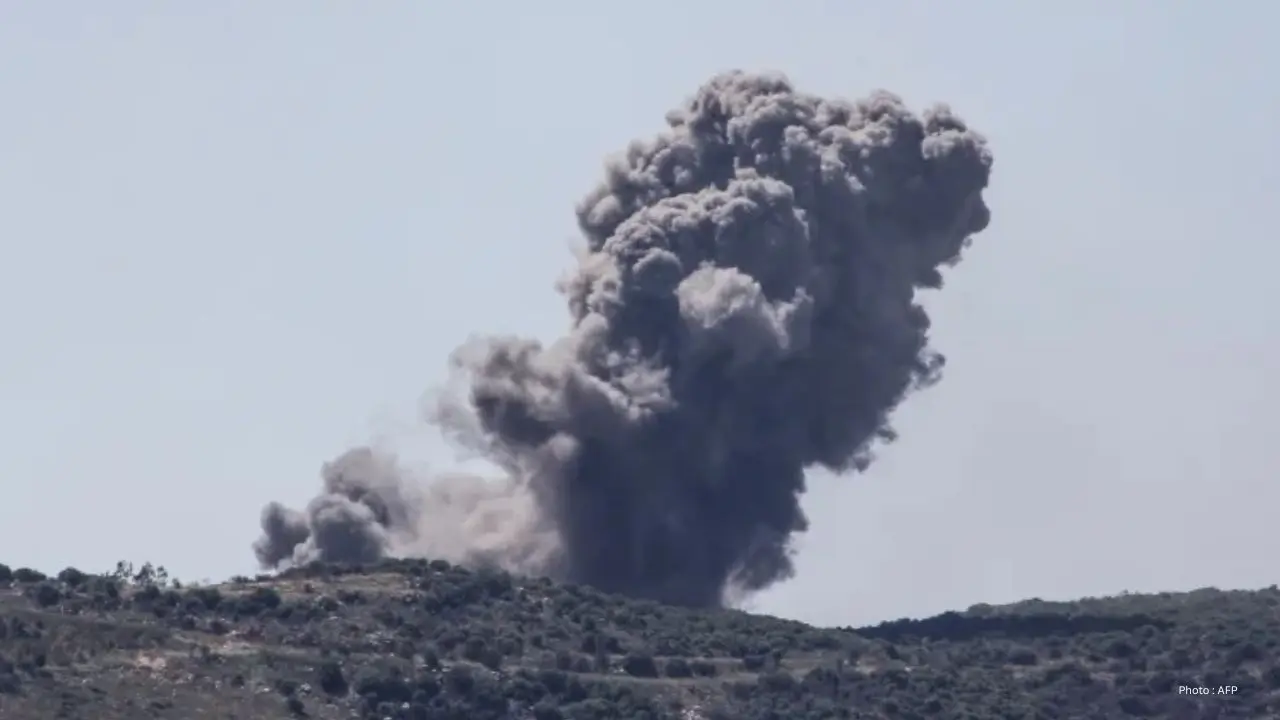
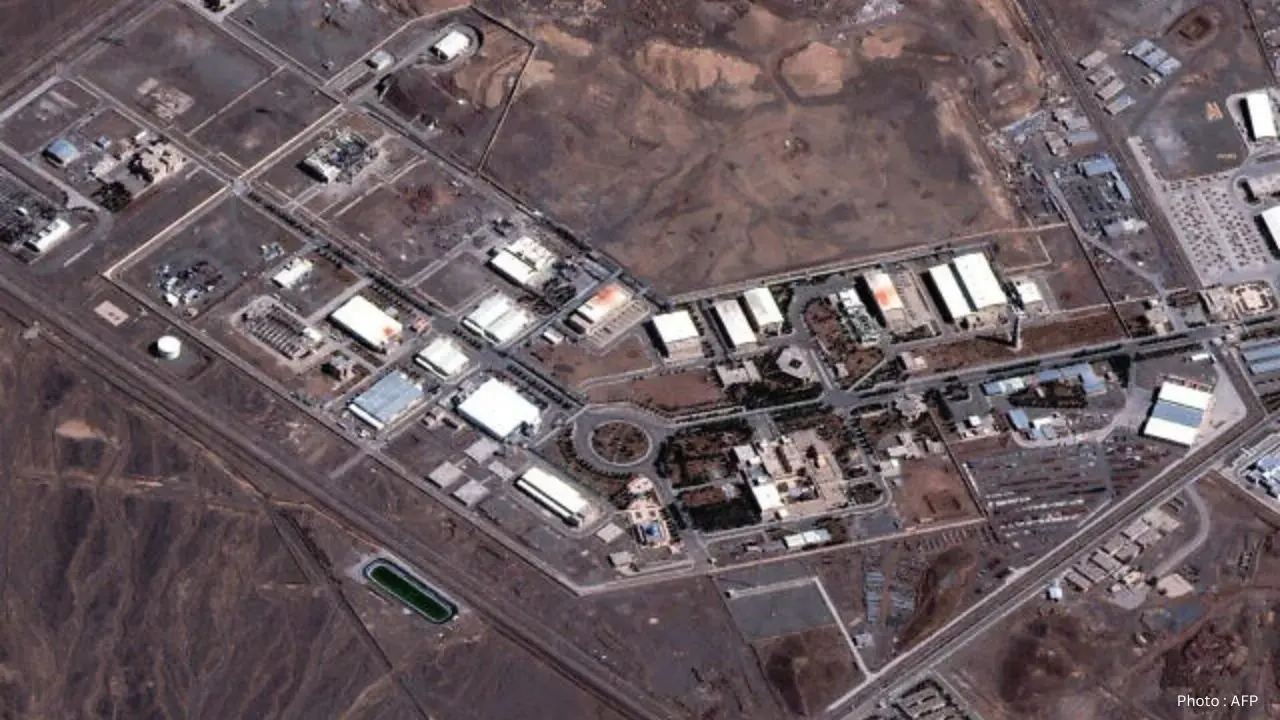
The military actions undertaken by the US and its allies have primarily aimed at curtailing Iran’s nuclear development by targeting critical sites. Following these strikes, many assumed that Iran’s nuclear advancements would be significantly hindered for years. However, current intelligence suggests that the overall state of Iran’s nuclear program is largely unchanged.
According to experts, Iran retains access to the necessary knowledge, materials, and infrastructure to construct a nuclear weapon should it decide to pursue this path. This situation has triggered extensive debate in global politics, especially regarding the emerging discussions around the Iran nuclear program in 2026.
One significant factor contributing to this status quo is the storage conditions of nuclear materials. Enriched uranium, crucial for building nuclear weapons, is frequently kept in secure, hidden locations, many of which are located underground and remain impervious to even substantial military strikes. As a result, airstrikes alone may not be sufficient to halt nuclear advancements.
Moreover, it is essential to distinguish between ambition and actual intent. Although Iran possesses sufficient materials, there is insufficient evidence indicating that it is actively developing a nuclear bomb at this juncture. This ambiguity fuels ongoing discussions among international leaders regarding Iran’s intentions.
The events also illustrate the intrinsic limitations of military intervention. While airstrikes might damage infrastructure and momentarily hinder progress, they cannot eradicate the underlying scientific knowledge and technical expertise that have been cultivated. Once a nation reaches a particular stage of development, fully halting its nuclear program becomes exceedingly challenging.
Simultaneously, tensions across the Middle East have escalated. Rather than resolving the nuclear issue, recent conflicts may have complicated it further. There are worries that such military actions could undermine collaborative efforts and weaken international oversight of Iran’s nuclear ambitions.
Another crucial aspect to consider is the disparity between political rhetoric and intelligence evaluations. While some governmental figures may assert that threats have diminished, intelligence reports tend to provide a more nuanced, evidence-based perspective. This divergence can lead to public confusion and erode trust in governmental claims.
Looking ahead, many analysts suggest that diplomacy may resurface as a vital component in addressing this issue. Historical precedent underscores the importance of negotiations and agreements in taming nuclear ambitions, despite their imperfections in mitigating risks and fostering stability.
Additionally, there exists a danger that heightened pressure and conflict might compel nations to operate with greater secrecy or expedite their nuclear programs, potentially aggravating nuclear development rather than curbing it.
This enduring issue remains one of the primary global security challenges today. Terms like Iran nuclear program, US intelligence assessments, and Middle Eastern tensions become increasingly pertinent as stakeholders endeavor to decipher the serious implications of these developments for the future.
The forthcoming actions of global leaders will significantly influence the trajectory towards peace and security. Whether diplomacy or exertion of pressure prevails, the global community will remain vigilant as the situation unfolds.