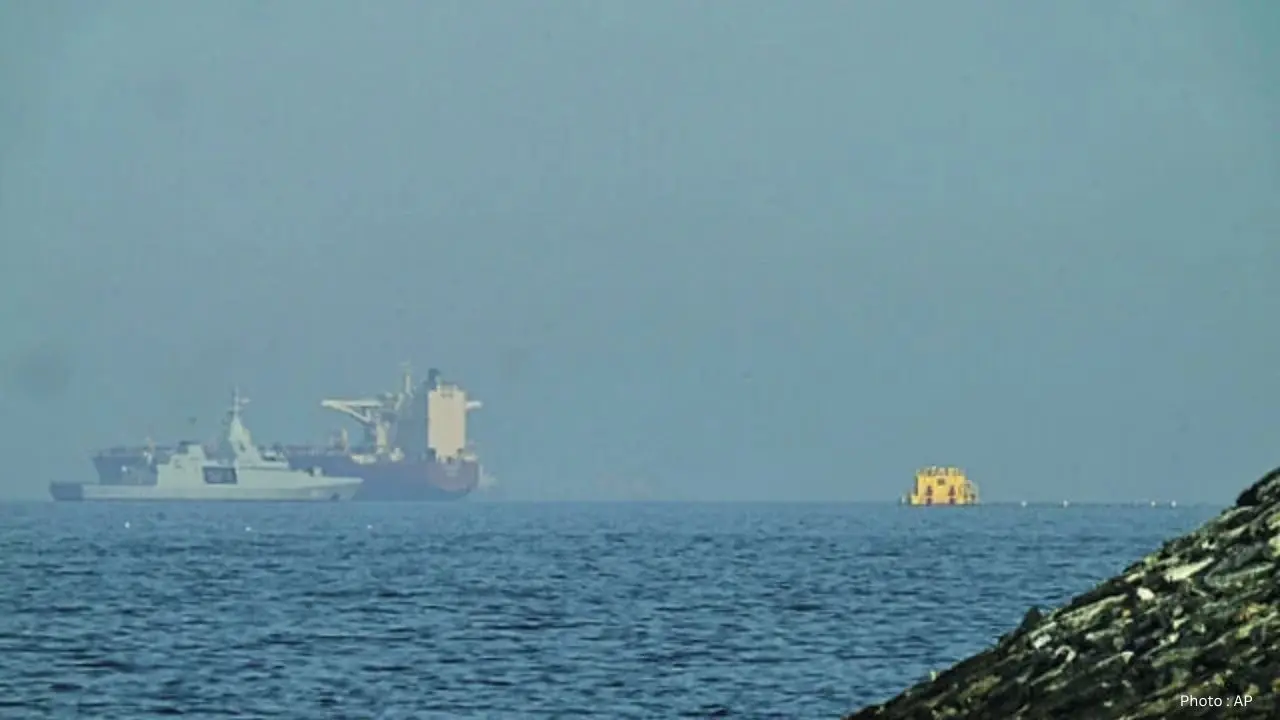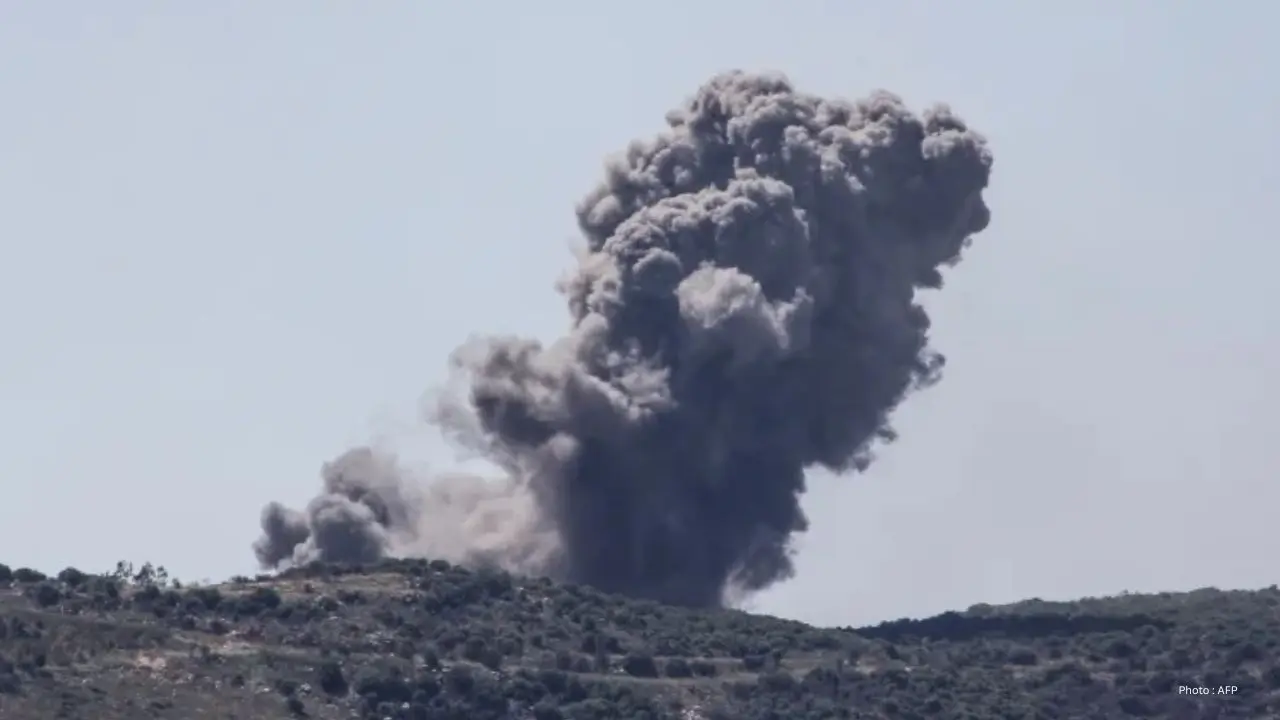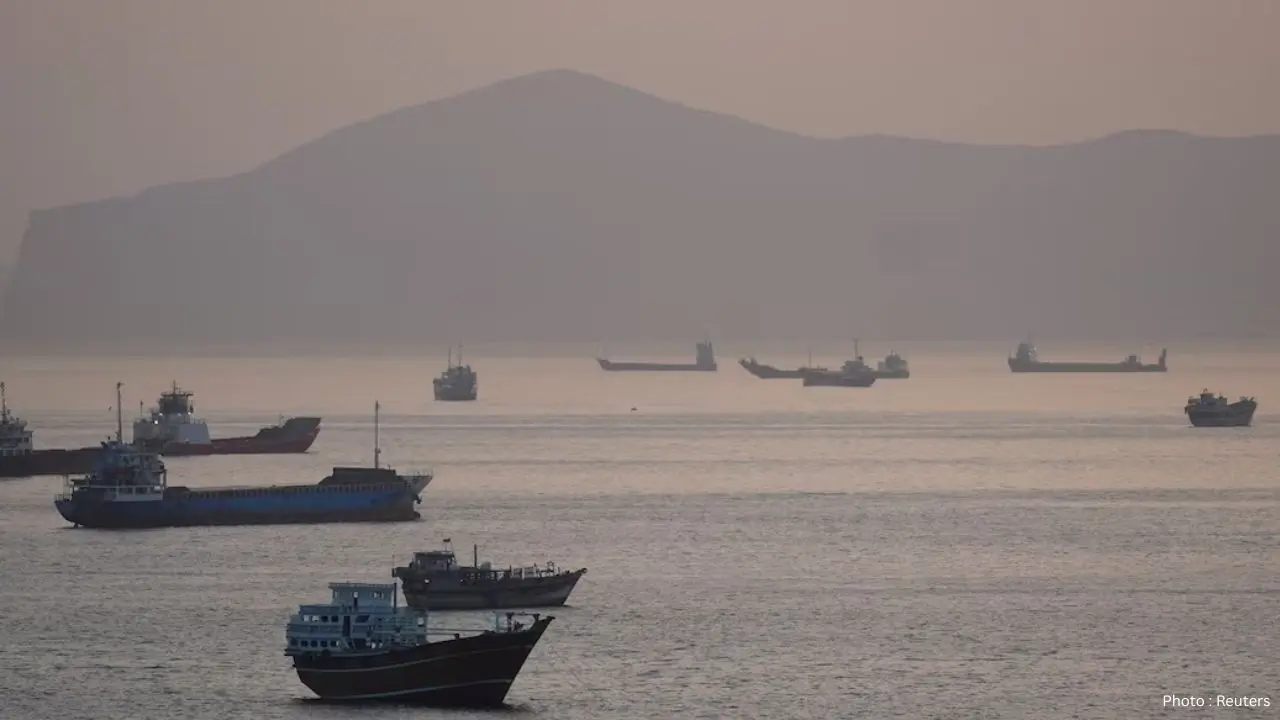
A commercial tanker was struck by unidentified projectiles near the crucial Strait of Hormuz, raising alarm about safety in this vital maritime corridor. The incident has garnered worldwide attention following President Donald Trump's announcement that the United States would intervene to assist ships immobilized in the affected area.
The attack took place near the shores of the United Arab Emirates, an area that has been experiencing increasingly precarious security circumstances in recent weeks. Thankfully, there were no reported injuries, but the strike has heightened anxiety among shipping companies, leading many to postpone or alter their travel plans.
This narrow passageway plays a pivotal role in international commerce, particularly in oil shipping. With a significant portion of the globe’s energy supply traversing the Strait, any interruptions trigger alarm bells for numerous nations.
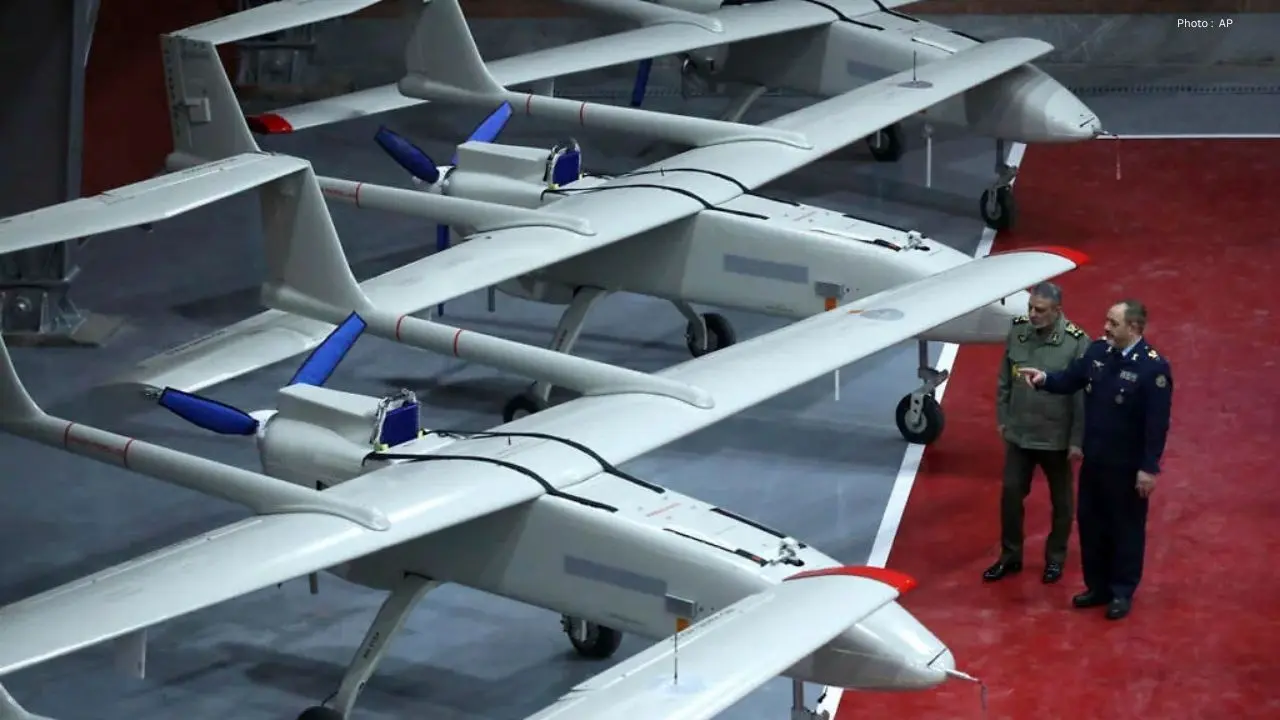
Recently, vessels traversing the area have contended with ongoing threats, including drone activity and potential missile dangers. Consequently, hundreds of ships have slowed down or halted operations altogether, leaving about 20,000 sailors facing shortages and uncertain conditions.
In response, President Trump declared that the U.S. would extend help to these trapped vessels, guiding them safely through the troubled waters. This initiative is characterized as a humanitarian mission aimed at safeguarding crews and reinstating normal shipping operations.
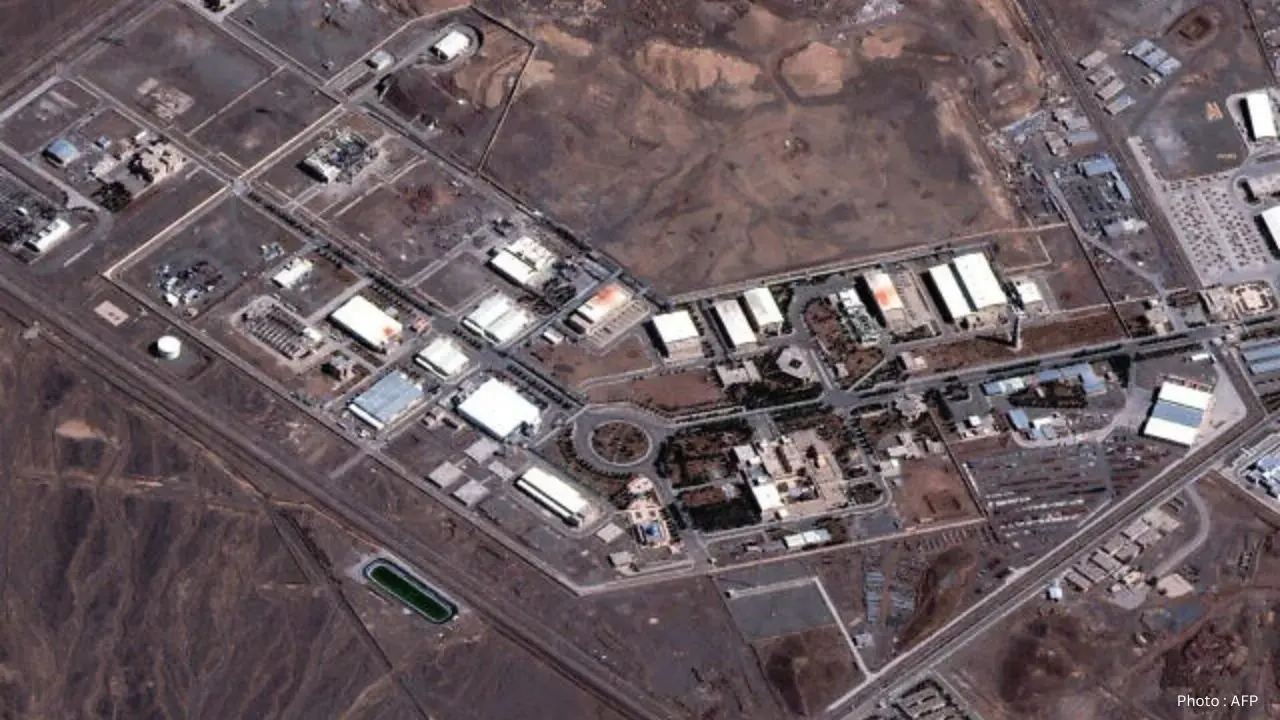
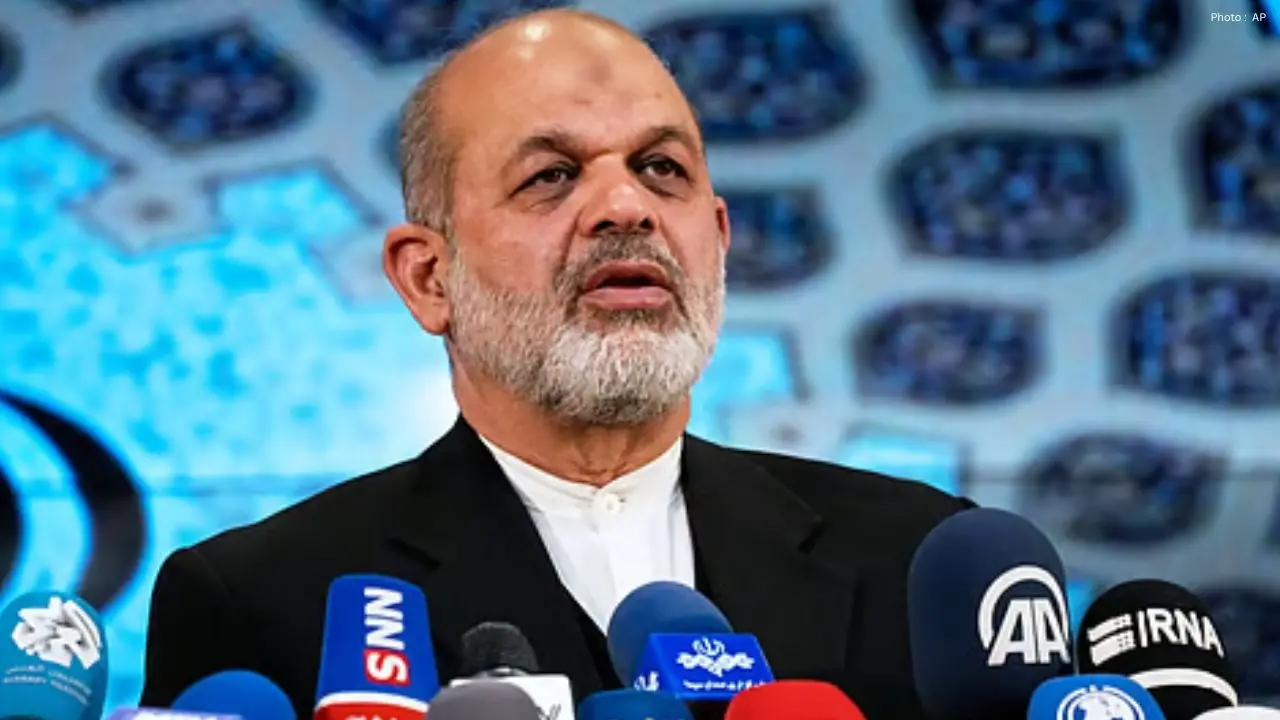
Yet, the climate remains precarious. Iran, which has control over one side of the Strait, has cautioned against a heightened foreign military presence, asserting that it could exacerbate tensions and threaten the delicate equilibrium in the region.
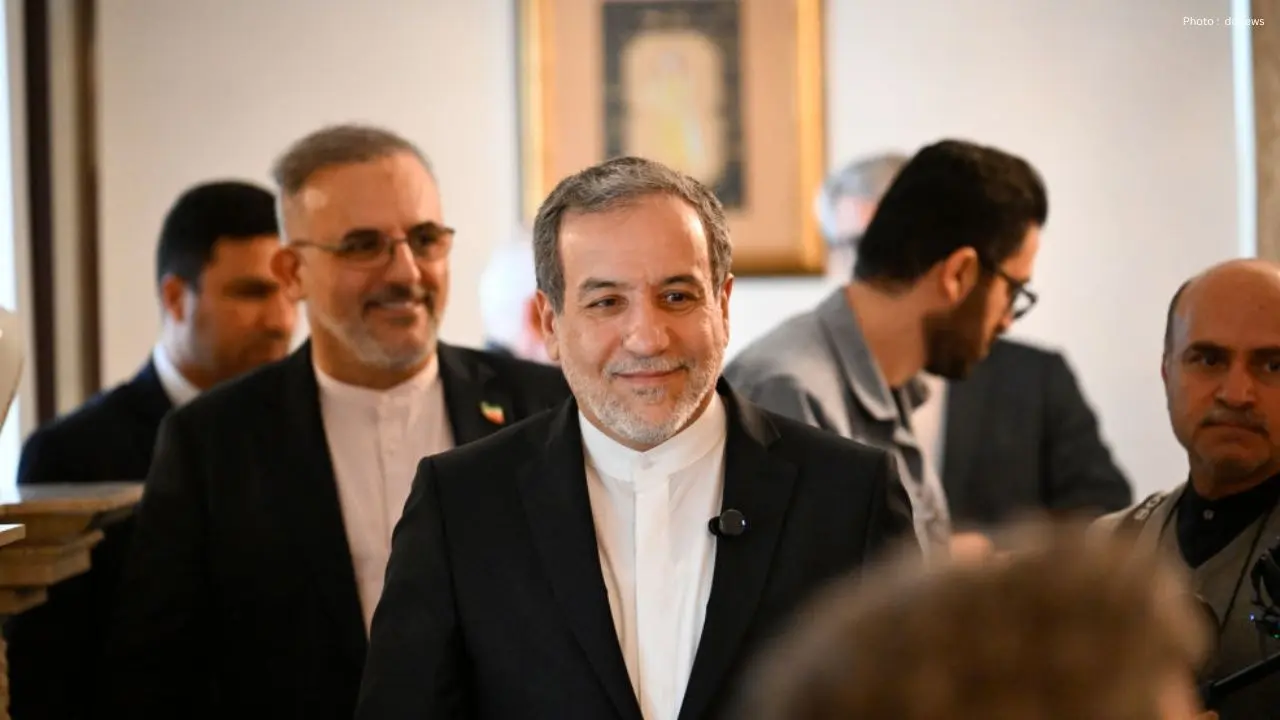
Simultaneously, Iran has proposed avenues for diplomacy, advocating for eased restrictions and continued dialogue. However, substantial differences persist, complicating the path to a swift resolution.
The ramifications of this crisis are reverberating globally, with oil prices beginning to climb as shipping routes face challenges, potentially resulting in elevated fuel and transport expenses across nations.
The situation remains volatile, and even minor incidents could spark broader conflicts. Currently, international focus is on the potential for diplomatic efforts to mitigate tensions and avert further deterioration.