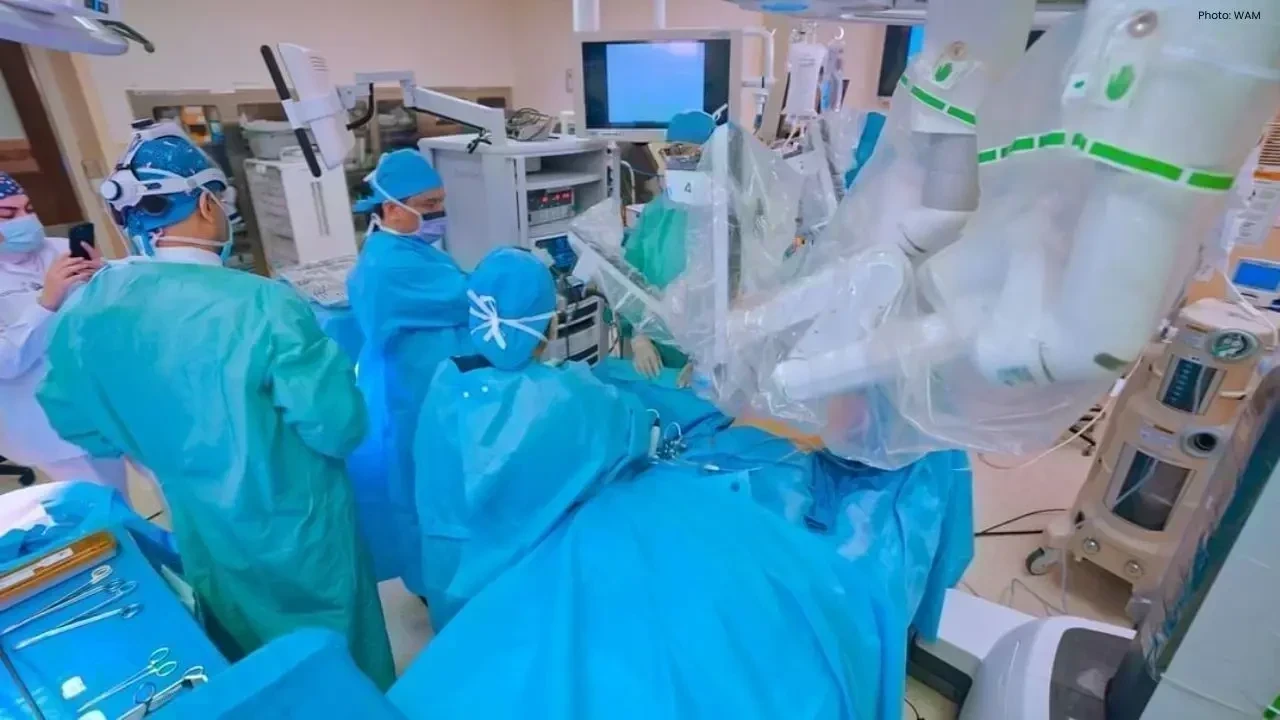
In 2025, the UAE healthcare system made significant strides, solidifying the nation’s status as a leader in medical innovation and public health. These advances spanned diagnostics, treatment, research, and legislation, demonstrating the UAE's commitment to enhancing community health standards and quality of life.
These improvements stemmed from robust national strategies aimed at developing modern infrastructure, recruiting skilled healthcare professionals, fostering global partnerships, and implementing progressive policies. Among the key initiatives, the UAE Cabinet endorsed the National Policy for Combating Health Risks and restructured the UAE Health Council and the National Public Health Committee for improved coordination and crisis readiness.
A pivotal legislation update was the Federal Decree-Law that amended the rules governing organ and tissue donation and transplantation. This law is in alignment with international health standards, allowing for cutting-edge treatments involving engineered or animal-derived organs under rigorous medical oversight, ensuring patient safety and reducing the risk of unsafe practices.
The year also spotlighted significant investments and infrastructure projects. Health insurance coverage was extended to Fujairah Government employees, and Abu Dhabi launched a regional vaccine distribution center. In Dubai, Healthcare City announced a monumental AED 1.3 billion expansion, incorporating a new medical complex. Sharjah revealed plans for three new pharmaceutical manufacturing facilities with investments exceeding AED 308 million, aimed at bolstering local drug production.
The UAE strengthened its role in advanced diagnostics through a collaborative venture with NYU Abu Dhabi, Yas Clinic–Khalifa City, and the Abu Dhabi Stem Cells Centre, introducing AI-driven MRI analysis into clinical assessments. Furthermore, plans were unveiled for the region's first heavy-ion cancer therapy center, promising one of the most accurate radiation treatments available.
Public health initiatives also saw extensive progress, with the Ministry of Health and Prevention recently completing over 95 percent of the National Health Survey and the majority of the National Nutrition Survey. Updated guidelines for the National Tuberculosis Control Programme were also published to enhance disease prevention efforts.
UAE healthcare institutions earned international acclaim. Emirates Health Services was internationally recognized for its Diabetes Clinical Care Programme, becoming the world’s largest accredited diabetes care network and the largest CARF-accredited rehabilitation provider in the region while receiving four global awards.
On the international front, the UAE topped rankings in health awareness and community participation. The Hayat programme reported over 2,034 organ transplants and trained more than 10,000 specialists, alongside efforts to combat chronic diseases through extensive research initiatives.