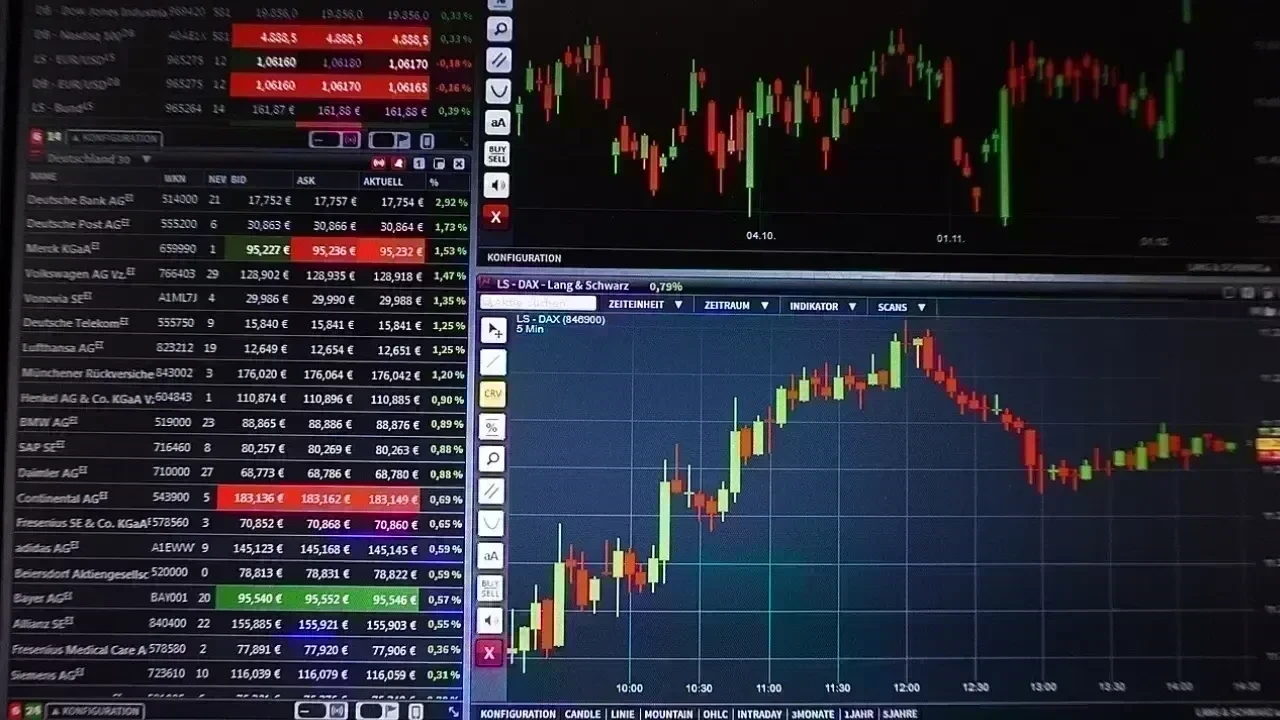
On Thursday, the Indian stock market showcased noticeable volatility as the BSE Sensex and NSE Nifty 50 took a step back from their recent gains. With the Economic Survey for 2025-26 and the upcoming Union Budget due in early February, investors exercised caution. This confluence of economic signals, quarterly earnings reports, and broader macroeconomic pressures kept sentiment on edge during the trading session.
After a series of gains fueled by trade negotiation optimism, profit-taking led the markets to pull back. The Sensex and Nifty showcased a marked decline in the early hours of trading, emphasizing the market's response to policy updates as it enters a significant financial period.
Indices Performance Overview
The Sensex, comprising 30 of India’s top stocks, opened lower, giving back some of its recent advancements. Despite attempts at recovery throughout the day, persistent selling pressure dominated much of the trading due to extensive profit booking.
The Nifty 50, reflecting the performance of the nation's top 50 large-cap firms, mirrored this weakness with declines noted below key support levels vital for investor confidence. A majority of stocks closing in the red points to broader market fragility.
Economic Survey Insights
Investor wariness stemmed from the looming Economic Survey 2025-26, an essential economic overview presented annually before the federal budget. This comprehensive report, by the Department of Economic Affairs, delivers key insights into the government's economic outlook and critical macroeconomic indicators. Its contents often sway market conditions, influencing equity valuations and bond yields.
Attention was particularly fixed on GDP growth forecasts, inflation trends, and sector performance metrics. With predictions hinting at robust economic progression, investors scrutinized the Survey's findings for indications of future policy adaptations.
The Survey’s upcoming release added to market volatility, prompting traders to reassess their positions in anticipation of possible changes before the Union Budget on February 1.
Sector Performance Dynamics
Market sentiment across sectors was mixed. While financials, utilities, and technology stocks faced selling pressure, certain defensive sectors like consumer staples and energy held up relatively well. This split emphasized the uneven nature of market activity amidst elevated uncertainty.
Investor participation metrics showed a skew towards declines, suggesting widespread caution among traders, which could precede deeper index corrections during upcoming sessions.
Focus on Individual Stocks
ITC Under Watch
ITC, a major player on the Nifty 50, displayed subdued trading patterns amid a general market pullback. Investors are closely monitoring its performance due to its diverse revenue streams across FMCG, agriculture, and hospitality.
Upcoming quarterly results are likely to influence trading dynamics as participants evaluate earnings against a backdrop of economic volatility.
IEX Generates Interest
IEX, which facilitates energy trading, attracted market attention with its robust past performance, bolstered by solid institutional participation. However, the current market environment remained cautious ahead of the Economic Survey.
As a bellwether for market sentiments, IEX’s trading patterns demonstrate the impact of systemic market forces on short-term price behaviors.
Dixon Technologies Faces Market Challenges
Dixon Technologies, a prominent manufacturer in the electronics sector, faced headwinds as its stock fluctuated within narrow ranges. Investor wariness amid changing industry trends affected outlook sentiments.
The stock's movements reflect a broader reluctance to engage in risk amid macroeconomic instability, leading investors to focus on future earnings guidance for clarity.
Global and Domestic Influences
In addition to local events, a collection of global and national economic factors influenced overall market moods. A weaker rupee and shifting foreign capital flows added layers of volatility for traders.
Internationally, markets reacted to changes in monetary policy expectations and geopolitical shifts, all of which affect risk aversion levels among investors.
Trends in Currency and Commodities
The rupee's recent slide to lows against the dollar complicated market dynamics. Although it benefits exporters, the increased import costs may affect inflation and corporate earnings.
Commodity prices, especially for gold and silver, have risen, indicating shifts in investor preferences towards safer assets during turbulent times.
Upcoming Focus for Traders
As traders look forward, the Union Budget announcement will be paramount, particularly regarding fiscal policies impacting growth and sector stimulation. How government strategies affect taxation and investment frameworks will be crucial.
Additionally, forthcoming earnings reports from leading companies will provide insights into sector dynamics, assisting investors in their evaluations against ongoing economic trends.
Final Thoughts
Thursday's trading session portrayed the inherent volatility of markets as they brace for significant economic developments. The declines observed in the Sensex and Nifty indicate a cautious investor approach ahead of the Economic Survey and Union Budget. Stocks like ITC, IEX, and Dixon Technologies mirrored overall market sentiment, while currency and commodities reflected diversification strategies amid fluctuations.
Given the interplay of economic indicators, policy shifts, and corporate performance, market participants must remain vigilant as they navigate this pivotal phase in the economic calendar.
Disclaimer: This content serves informational purposes and is not financial advice. Users should consult with financial experts before making investment choices.