What’s Driving the Nikkei Index on 22 January 2026
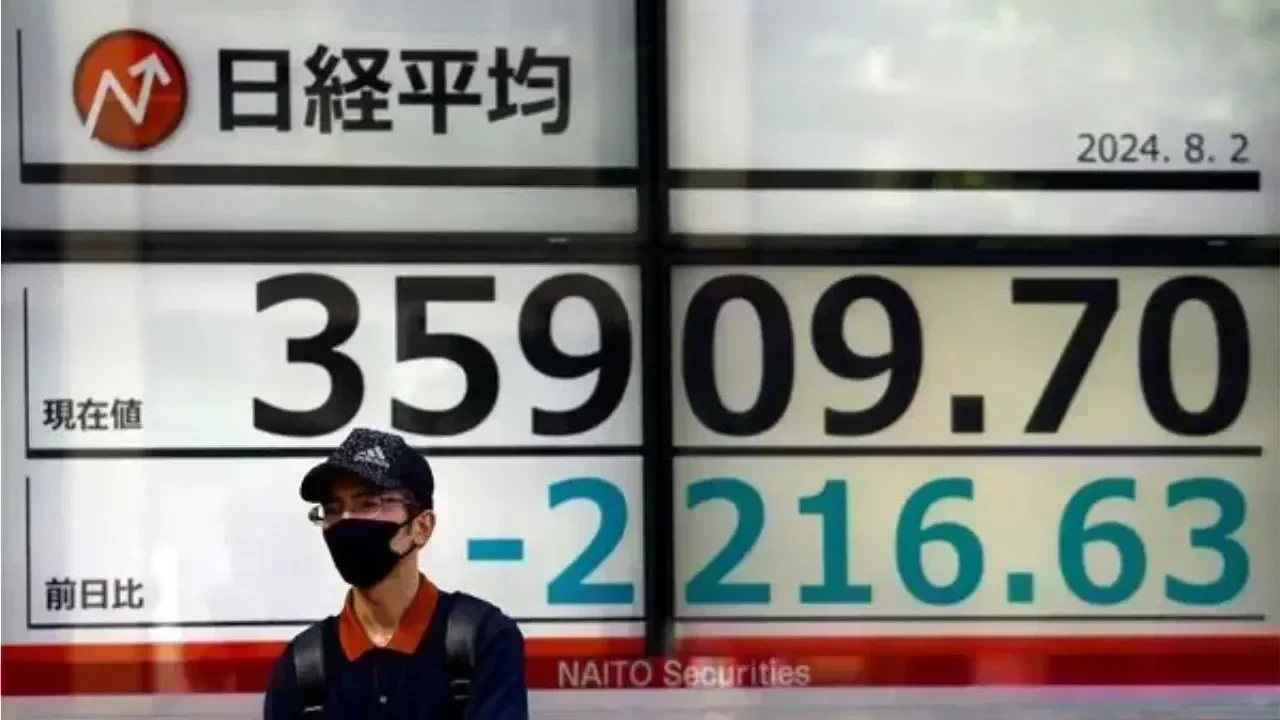
As of 22 January 2026, the Nikkei Index—Japan’s flagship stock market gauge—is trending on various financial platforms due to a blend of international market shifts, local political events, and notable movements in Asian stocks. The Nikkei 225 serves as an indicator of broader economic sentiment, reflecting the interplay of investor feelings, macroeconomic factors, and cross-border capital movements. For global traders and analysts, understanding these trends is crucial for making informed decisions.
Understanding the Nikkei Index's Role
Significance of the Nikkei 225
The Nikkei 225 is one of the most prominent stock indices in Japan, encompassing a comprehensive selection of top-tier companies from various sectors including technology, finance, and consumer products. Often regarded as a barometer of the country's economic stability and market trust, its fluctuations encapsulate both domestic moods and international influences, such as U.S. monetary policies and global economic developments.
Impact of Global Markets
The movements in the Nikkei are closely watched alongside other key indices like the S&P 500 in the U.S. and Asian counterparts such as the Hang Seng and Shanghai Composite. Global risk sentiments can shift capital in and out of Japanese equities, making the Nikkei responsive to trends in the U.S., Europe, and China.
Nikkei's Performance Snapshot: January 2026
Recent Trading Insights
Market data shows the Nikkei 225 at approximately 53,741 points on 22 January 2026, indicating a slight rise in value from earlier sessions. The index has been fluctuating in the low 50,000s recently, driven by changes in sentiment and responses to macroeconomic developments.
Early trends in 2026 have shown both notable highs and declines, suggesting a volatile market atmosphere. Notably, by mid-January, the Nikkei reached highs above 54,000 points, underscoring its resilience in recent years.
Amid Recent Challenges
Despite recent advancements, the index has seen downward pressures, finishing lower in several trading sessions, particularly towards the end of January. Factors such as trade uncertainties, global interest rate fluctuations, and risk aversion have prompted selling pressure on Japanese stocks.
Factors Influencing Current Trends in the Nikkei
Geopolitical Implications
A significant influence on the current trends in the Nikkei is rising trade tensions and geopolitical instability. Recent updates regarding U.S. tariff strategies and political discourse have sparked concerns, negatively affecting risk assets globally, including those in Japan.
For instance, increasing tariffs from Western nations have resulted in bearish trends across world markets, impacting the Nikkei's performance.
Domestic Political Landscape
Additional influencing factors include developments in Japan's domestic politics. An announcement regarding a snap election and potential revisions in fiscal policy could shake market sentiments. Such political dynamics typically create short-term volatility as the market adjusts to potential future scenarios.
Bonds and Currency Fluctuations
The performance of the yen and changes in Japanese government bond yields have been instrumental in shaping investor choices. Variations in currency value directly affect export-oriented firms, which are dominant in the Nikkei 225. Higher bond yields may also sway investment decisions, impacting the attractiveness of stocks.
Nikkei Compared to Other Global Indices
Strong Performance in 2026
Recent global analysis indicates that the Nikkei 225 has been a top performer among major indices for the year-to-date as of late January 2026, showing higher resilience compared to competitors like India’s BSE Sensex.
Competitive Edge Over U.S. Markets
Over a year-long perspective up to early 2026, Japanese stocks have significantly outperformed U.S. counterparts, reflecting the revival of confidence in Japan's corporate landscape and a shift toward shareholder-oriented policies.
Sector Influences on the Nikkei 225
Technology and Exports
Technology and industrial sectors hold a considerable stake in the Nikkei 225, thriving in periods of a weaker yen as this boosts overseas profits. However, an appreciation of the yen can negatively impact these company valuations.
Financial Sector Responses
Financial institutions within the Nikkei respond considerably to yield changes and expected interest rate movements. Rising yields could enhance banks’ net interest margins, though caution regarding overall economic growth remains.
Consumer Sector Variability
Consumer goods companies exhibit varied performance influenced by both domestic and international economic conditions. During uncertainties, this segment often serves as a shock absorber against volatility seen in more cyclical areas.
Market Sentiment Surrounding the Nikkei
Investor Behavior and Risk Attitudes
Periods marked by increased geopolitical risks lead to shifts in investor psychology, evidenced by moves into safe-haven assets when equity volatility surges. These changes can impact trading sentiment and volatility trends in Japanese markets.
Retail vs. Institutional Investors
In recent months, retail investment in Japanese equities has escalated, while global institutional investors are more reactive to currency fluctuations and relative yield advantages. This mix influences both trading volume and market momentum.
Nikkei Futures Insights and Market Signals
Nikkei Futures Activity
Nikkei futures trading reflects changing open interest and volume trends, signaling how traders are positioning for future sessions. Recent reports indicate fluctuations that may suggest evolving trader sentiment.
Market Expectations from Futures Analysis
Examinations of futures contracts, including open interest changes and pricing trends, offer insights into trader expectations regarding upcoming volatility and directional market inclinations.
Technical Aspects for Traders
Support and Resistance Dynamics
Traders frequent key support areas linked to major moving averages and crucial pivot points. With the Nikkei hovering around the mid-50,000 range recently, observers are keen to see if it maintains its position above or below these critical thresholds.
Trend Analysis and Momentum
Momentum indicators, including relative strength metrics and trading volumes, help confirm market biases. The mixed signals seen recently mirror the overall fluctuations in response to global uncertainly.
Future Outlook for the Nikkei Index
Near-Term Forecasts
The near-term prospects for the Nikkei are closely tied to shifts in global risk appetite, monetary policy decisions, currency patterns, and local political stability. Any reduction in trade strain or favorable macro indicators could invigorate buying.
Long-Term Considerations
For long-term stakeholders, sustainable interest could stem from demographic trends, corporate reforms, and the increasing focus on shareholder returns within Japan’s market infrastructure.
Conclusion: Insights Into the Nikkei Trend on 22 January 2026
The attention surrounding the Nikkei Index on 22 January 2026 highlights a complex web of global economic influences, local political movements, and investor sentiment dynamics. For stakeholders, understanding these interconnected elements is vital for navigating anticipated market fluctuations.
Disclaimer:
This article is for informational purposes based on publicly available data as of 22 January 2026. It does not serve as financial advice or a recommendation to engage in securities trading. Investors should conduct their own due diligence or consult with a financial advisor.