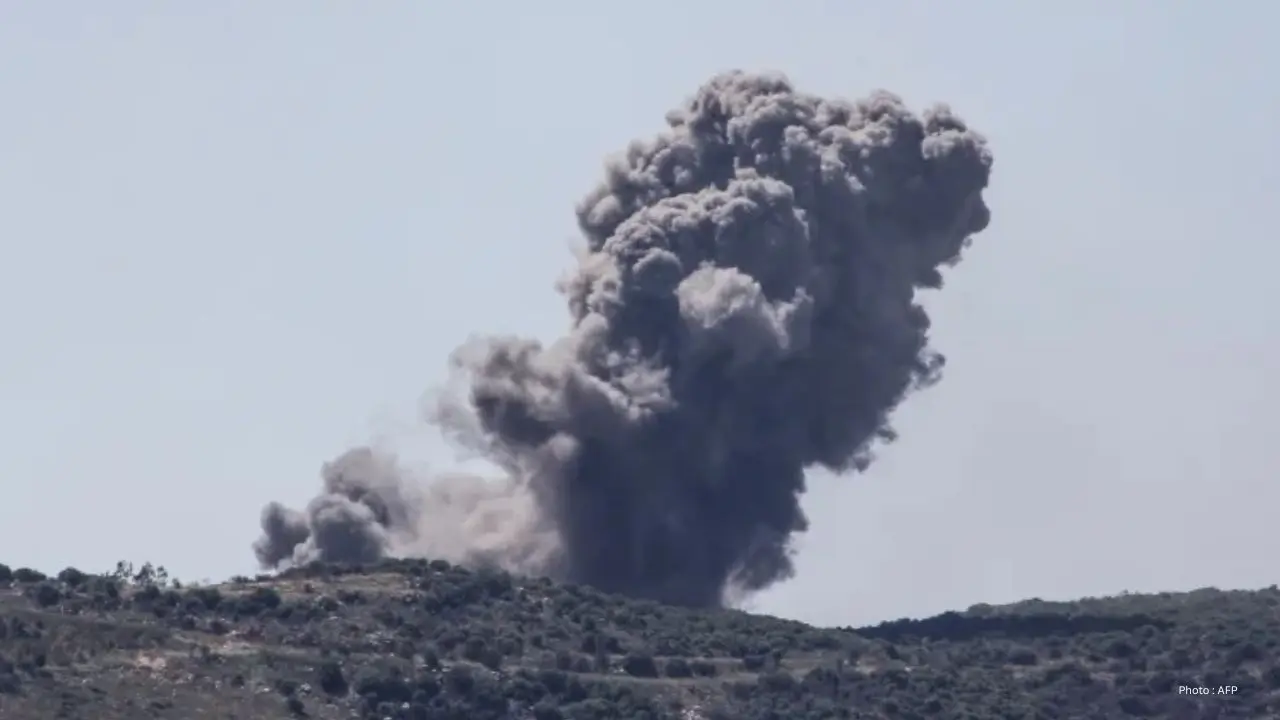
Pakistani security forces have killed 145 militants after a long and intense security operation in Balochistan, officials said on Sunday. The operation lasted nearly 40 hours and came after a series of deadly gun and bomb attacks across the province that left almost 50 people dead.
The attacks took place in several areas of Balochistan, including Quetta, Gwadar, Mastung and Noshki. Militants launched the assaults almost at the same time, targeting security forces, public places and key buildings. This has become one of the deadliest incidents in the province in recent years.
Balochistan Chief Minister Sarfraz Bugti said that 17 members of law enforcement agencies and 31 civilians were killed in the violence. According to Pakistan’s military, 92 militants were killed on Saturday and 41 more on Friday.
Pakistan’s junior interior minister Talal Chaudhry said the attackers entered hospitals, schools, banks and markets while dressed as ordinary civilians. Once inside, they opened fire on people working or present there. He added that militants also used civilians as human shields during the attacks.
The banned separatist group Baloch Liberation Army (BLA) claimed responsibility for the attacks. The group said it carried out a coordinated operation called “Herof” or “Black Storm,” aimed at security forces across the province.
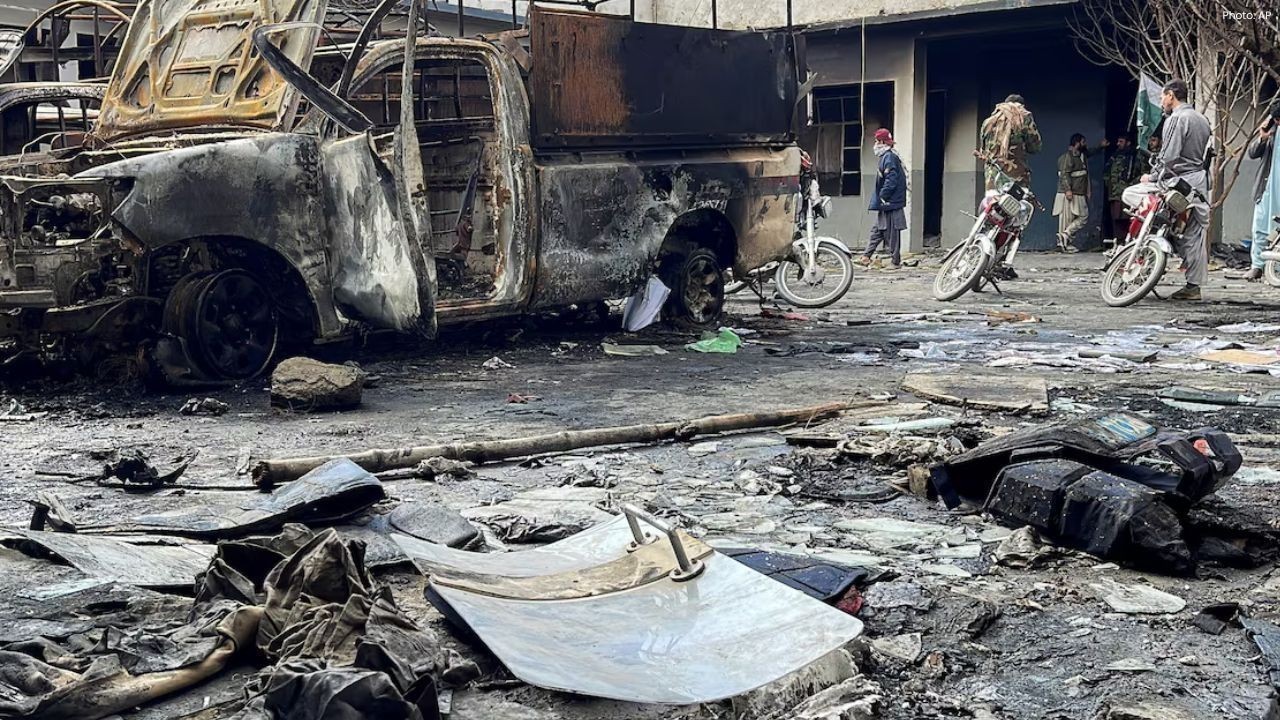
In Quetta, the provincial capital, the impact of the attacks was clearly visible. Burnt vehicles were seen near a police station, doors were damaged by bullets, and many streets were closed with security tape. Security forces increased patrols and restricted movement to prevent further violence.
Chief Minister Bugti said authorities had received intelligence warnings about possible attacks. Because of this, security forces had started preventive operations a day earlier. He also said that this was the highest number of militants killed in such a short time since the insurgency intensified.
Officials said militants attacked Frontier Corps headquarters, tried to carry out suicide bombings, and blocked roads in busy areas. These actions forced the army, police and counterterrorism units to launch large-scale operations to regain control.
A private security guard, Jamil Ahmed Mashwani, who was injured during the attack, said the gunmen struck suddenly around midday. He said he was hit on his face and head.
Balochistan is Pakistan’s largest but poorest province. It has faced a long-running insurgency by ethnic Baloch groups who demand more control over local resources and greater autonomy.
The BLA claimed it killed 84 security personnel and captured 18 others, but this could not be independently verified. Pakistan’s military did not immediately respond to these claims.
Pakistan’s Defence Minister Khawaja Asif said that some attacks involved female militants and warned that armed groups are increasingly targeting civilians, labourers and poor communities.
The military said it successfully stopped militants from taking control of any city or important facility.
Pakistan’s army accused India of being linked to the attacks. India strongly denied the allegation, saying Pakistan was trying to divert attention from its own internal issues. India’s Foreign Ministry said Pakistan should focus on addressing the long-standing problems of people in the region.
The United States condemned the attacks and expressed support for Pakistan. US officials described the violence as terrorist acts and noted that the Baloch Liberation Army is listed as a terrorist organization by the US.
Pakistan continues to face security challenges, including attacks by different militant groups in various parts of the country.