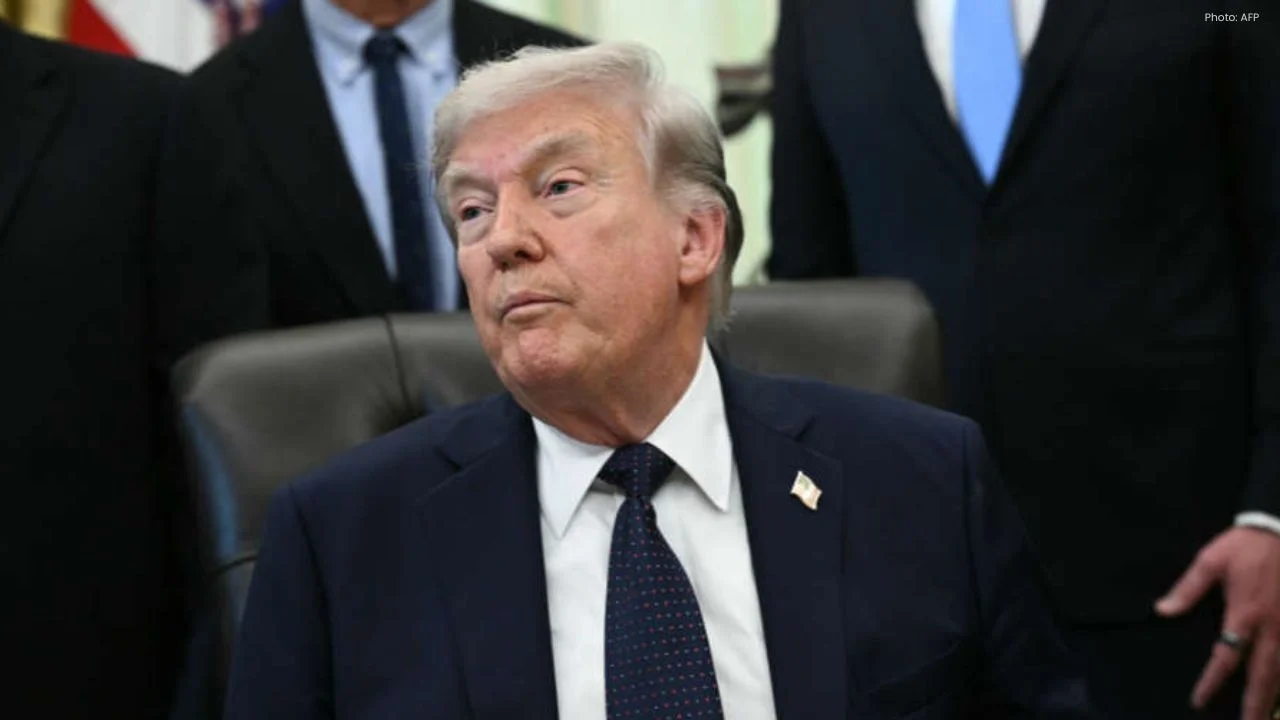
The Growing Tension Between Politics and Media
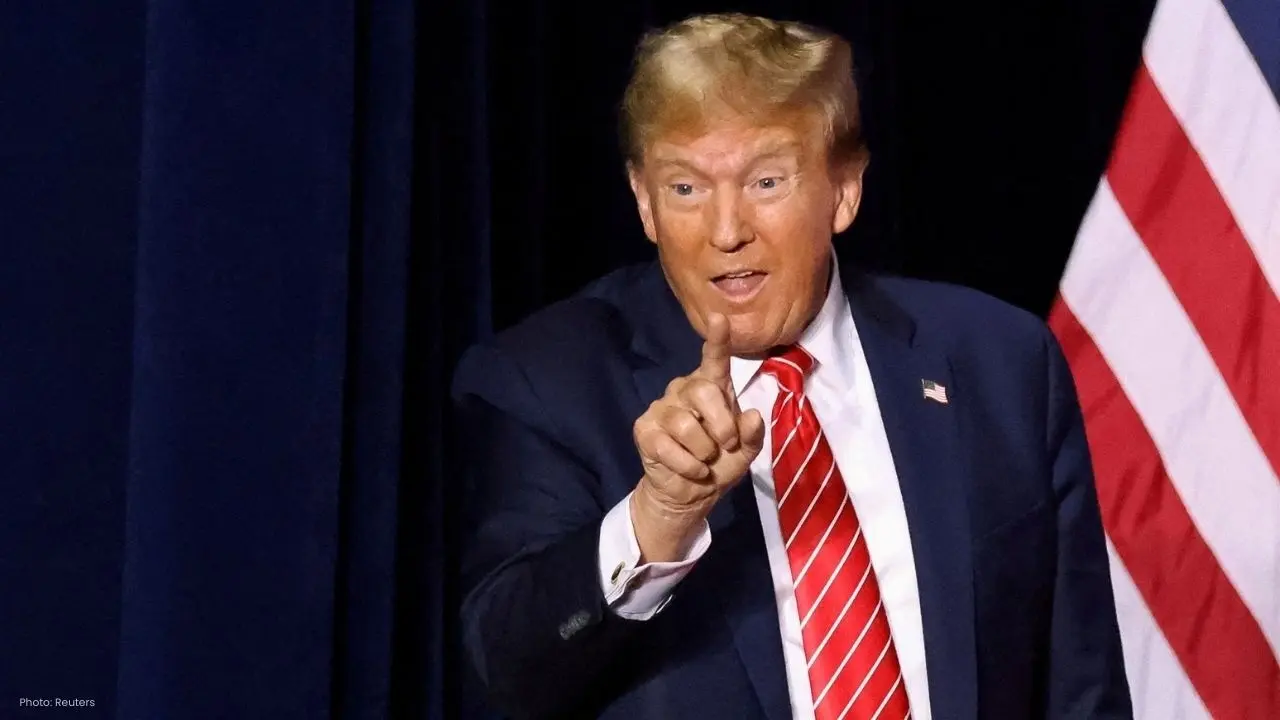
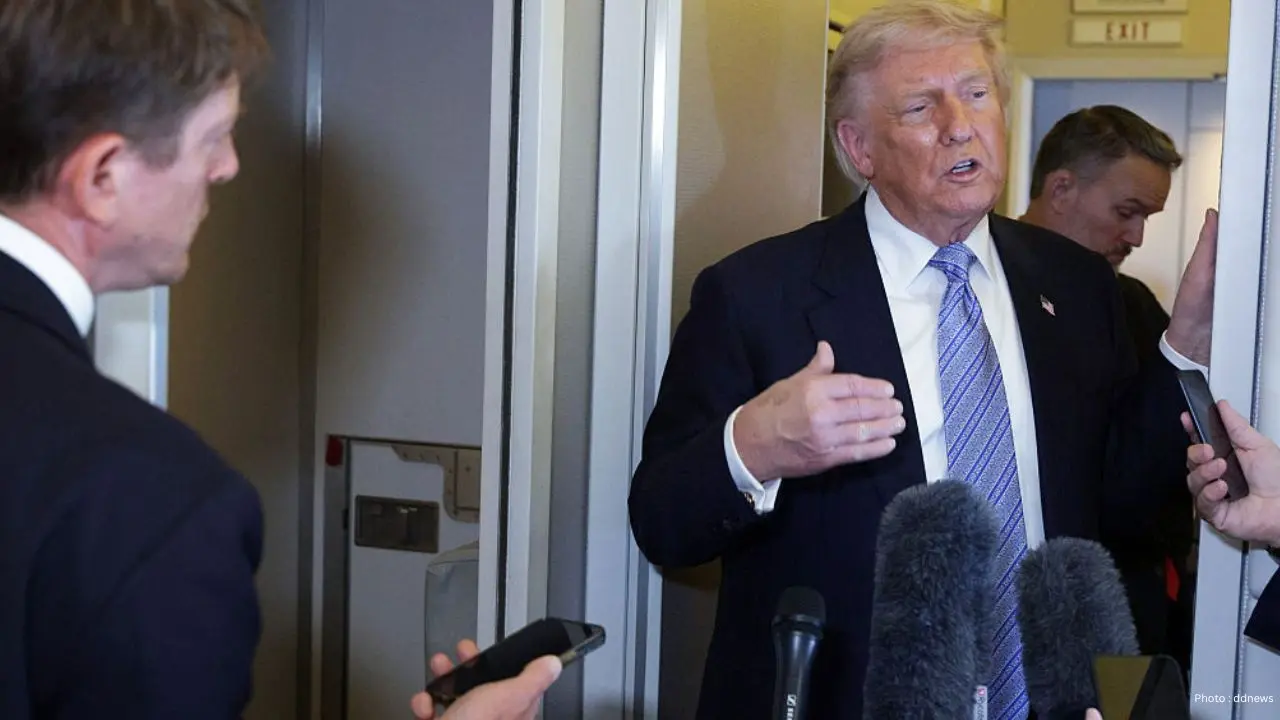
In today’s media-driven world, conflicts are no longer confined to private rooms. They unfold in public, in real time, shaped by headlines, reactions, and interpretations. The recent heated feud involving Donald Trump and BBC is one such example—a confrontation that goes beyond personalities and touches on deeper questions about media, power, and public trust.
At first glance, the situation appears straightforward: strong criticism, sharp responses, and a legal threat carrying a massive figure—five billion dollars. But beneath the surface, the story is far more complex. It reflects a broader tension that has been building for years between political figures and major media institutions.
To understand what is happening, it is important to step back and look at the larger context.
Modern politics and media are deeply interconnected. Political leaders rely on media to communicate with the public, while media organizations rely on political developments to inform their coverage. Ideally, this relationship functions as a balance—media provides scrutiny, and political figures provide accountability. But when trust breaks down, that balance can quickly turn into conflict.
Donald Trump has long had a complicated relationship with the press. Throughout his public life, he has often challenged media narratives, questioning accuracy, tone, and intent. This approach has shaped how he engages with coverage, often turning disagreements into direct confrontations.
On the other side, BBC represents one of the world’s most established news institutions. It operates with a reputation built on editorial standards, global reach, and a commitment to reporting across a wide range of perspectives. When such an institution becomes part of a dispute, the implications extend beyond a single story.
Why the $5 Billion Legal Threat Matters
So what turns disagreement into something as serious as a multi-billion-dollar lawsuit threat? The answer lies in perception.
In any conflict between a public figure and a media organization, the central issue is often not just what was reported, but how it was reported. Tone, framing, emphasis—these elements can shape how information is received. A report that one side views as critical but fair may be seen by the other as misleading or damaging.
From a logical standpoint, legal threats in such cases usually revolve around claims of defamation or harm to reputation. For a figure with a global presence, reputation is not just personal—it is political, financial, and symbolic. Any perceived damage can have wide-reaching consequences, influencing public opinion, partnerships, and future opportunities.
The figure of five billion dollars, while striking, serves more than one purpose. It signals seriousness, draws attention, and raises the stakes of the conflict. Whether or not such a figure reflects actual damages is often part of a larger legal and strategic discussion. What matters immediately is the message it sends: that the dispute is not minor, and that it will be pursued aggressively.
But beyond the legal dimension, there is a strategic layer to consider.
Public disputes between powerful figures and major media outlets often play out on two levels. The first is the formal process—statements, legal actions, official responses. The second is the public arena, where perception is shaped. In this space, both sides communicate not only through formal channels but also through tone, timing, and visibility.
Media Narratives, Public Trust, and Audience Division
For Donald Trump, challenging media narratives can reinforce a broader message about independence and resistance to criticism. For BBC, maintaining credibility involves standing by editorial decisions while addressing concerns transparently. These positions can create a situation where compromise becomes difficult, as both sides are tied to their public identities.
Another important factor is audience.
Media today is not consumed in a uniform way. Different groups interpret the same information differently, influenced by their own perspectives and beliefs. In a conflict like this, reactions are often divided. Some may see the media coverage as necessary scrutiny, while others may view it as unfair or biased. This division amplifies the impact of the dispute, turning it into a broader conversation about trust in information.
Technology also plays a role in intensifying such conflicts.
News spreads quickly, and reactions follow almost instantly. Social media platforms allow statements to reach millions within minutes, creating a cycle of response and counter-response. This speed can make it difficult to slow down the conversation or introduce nuance. Positions become more defined, and the space for middle ground narrows.
From an analytical perspective, this feud can be seen as part of a larger pattern.
Around the world, relationships between political figures and media organizations have become more visible and, at times, more confrontational. This reflects changes in how information is produced, distributed, and consumed. It also highlights the growing importance of narrative—who controls it, how it is shaped, and how it influences public understanding.
The Legal and Strategic Impact of the Feud
The legal aspect of the situation adds another layer of complexity.
Lawsuits involving media and public figures are not just about resolving disputes; they also set precedents. They influence how future cases are approached and how boundaries between reporting and reputation are defined. For media organizations, such cases can reinforce the importance of editorial standards. For public figures, they can serve as a tool to challenge coverage they consider unfair.
However, legal outcomes often take time. They involve detailed examination, evidence, and interpretation. In the meantime, the public narrative continues to evolve, shaped by ongoing developments and reactions. One of the most significant questions raised by this situation is about balance.
How can media provide critical coverage without crossing into unfair representation? How can public figures respond to criticism without undermining the role of journalism? These questions do not have simple answers, but they are central to understanding the dynamics at play.
There is also a human element that should not be overlooked. Behind institutions and titles are individuals making decisions, responding to pressure, and navigating complex environments. While the public sees statements and headlines, the process behind them involves careful consideration, strategy, and sometimes intense disagreement.
What This Conflict Means for the Future of Media and Politics
As the situation continues, its impact will likely extend beyond the immediate conflict.
It will influence discussions about media responsibility, legal boundaries, and the relationship between power and information. It may also shape how future disputes are handled, both in terms of tone and approach.
In the end, the feud between Donald Trump and BBC is more than a headline. It is a reflection of a changing landscape where communication, perception, and influence are constantly interacting.
What began as a disagreement has become a broader conversation—one that touches on trust, accountability, and the role of media in shaping how the world is understood. And as with many such moments, its true significance will be measured not only by its outcome, but by the questions it leaves behind.