After a major legal setback, Donald Trump is moving quickly to introduce a new round of tariffs to replace the ones recently struck down by the Supreme Court of the United States.
In February, the court ruled that Trump had exceeded his authority by using emergency powers under the International Emergency Economic Powers Act (IEEPA) to impose widespread tariffs on imports. These tariffs had generated around $166 billion in revenue, but the government is now required to refund that money to importers.
To maintain revenue and protect American industries, the Trump administration introduced temporary tariffs under Section 122 of the Trade Act of 1974. These allow up to 15% tariffs for 150 days. Currently set at 10%, these tariffs will expire on July 24 unless extended by Congress.
New Investigations Begin
Now, the Office of the United States Trade Representative is launching two major investigations under Section 301 of the same law, which allows the U.S. to impose tariffs on countries with unfair trade practices.
The first investigation focuses on about 60 economies, including countries like Nigeria and Norway. It will examine whether these countries are doing enough to stop the trade of goods produced through forced labor.
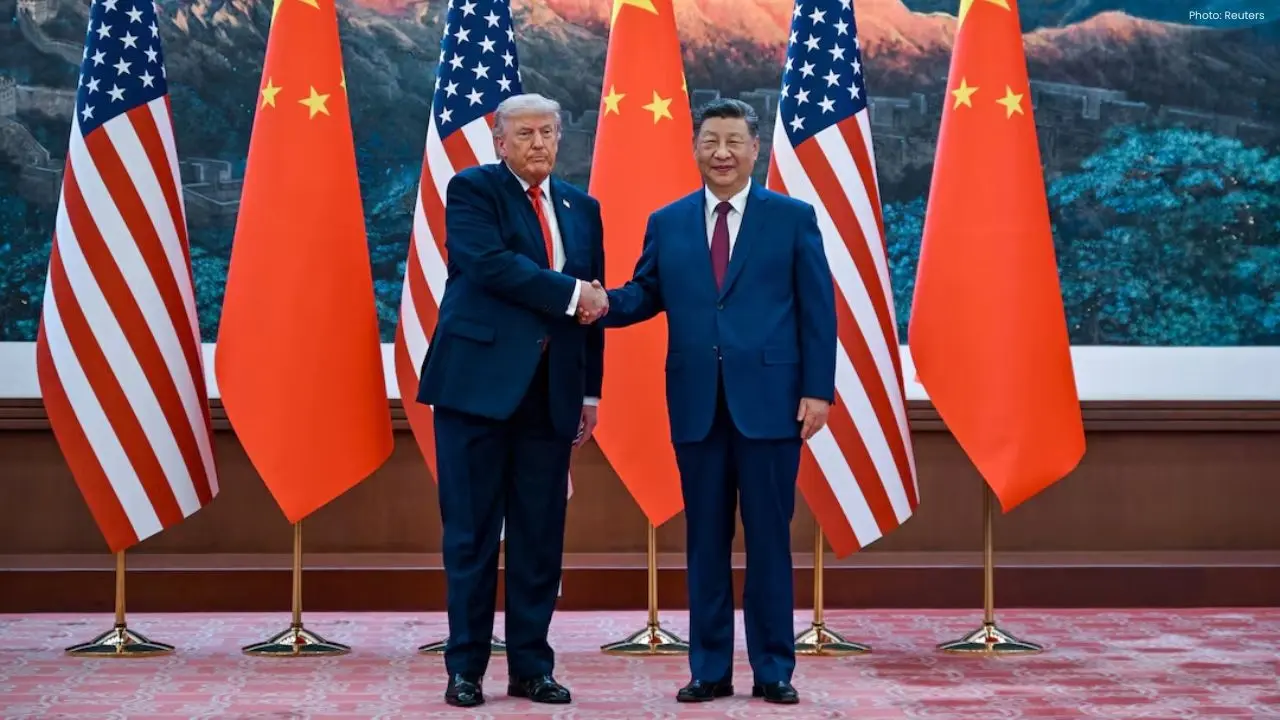
The second investigation targets 16 key trading partners, including China, the European Union, and Japan. It will look into whether these countries are overproducing goods, lowering global prices, and hurting U.S. manufacturers.
Legal Strategy and Concerns
Unlike the earlier tariffs, Section 301 tariffs follow a more structured legal process, making them less likely to be struck down in court. However, they are still expected to face legal challenges.
Critics argue that the investigations are moving too quickly. Past investigations, such as those against China during Trump’s first term, took nearly a year. This time, the process may conclude in less than half that period.
Trade experts also question whether the outcome is already decided, as top officials have publicly stated that new tariffs will replace the lost revenue.
Economic Impact
Tariffs are paid by U.S. importers and are often passed on to consumers through higher prices. This could add pressure to households already dealing with high living costs.
Despite criticism, tariffs remain a key part of Trump’s economic strategy, aimed at protecting domestic industries and reducing reliance on foreign goods.