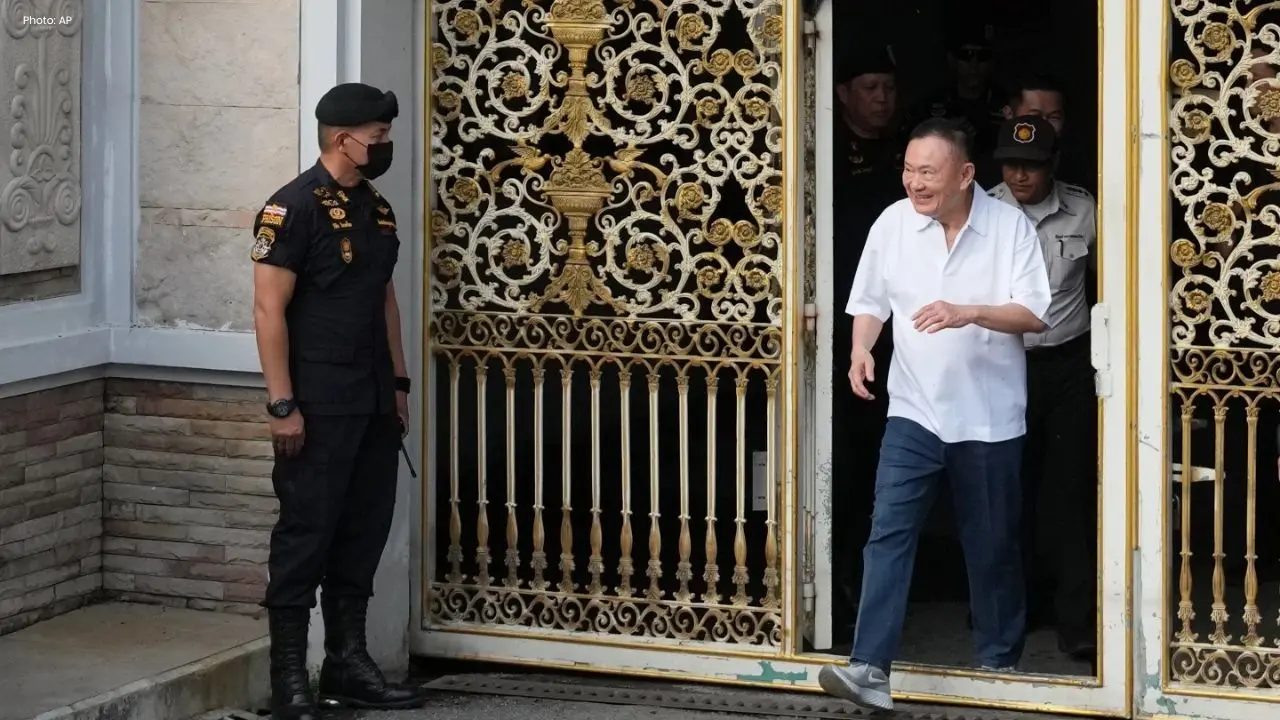
On Monday, Thaksin Shinawatra, the controversial former Prime Minister of Thailand, was released from a Bangkok prison after serving eight months of a one-year sentence related to corruption and abuse of power. His release signifies a pivotal moment in the political saga of a leader who has polarized Thai society for over two decades.
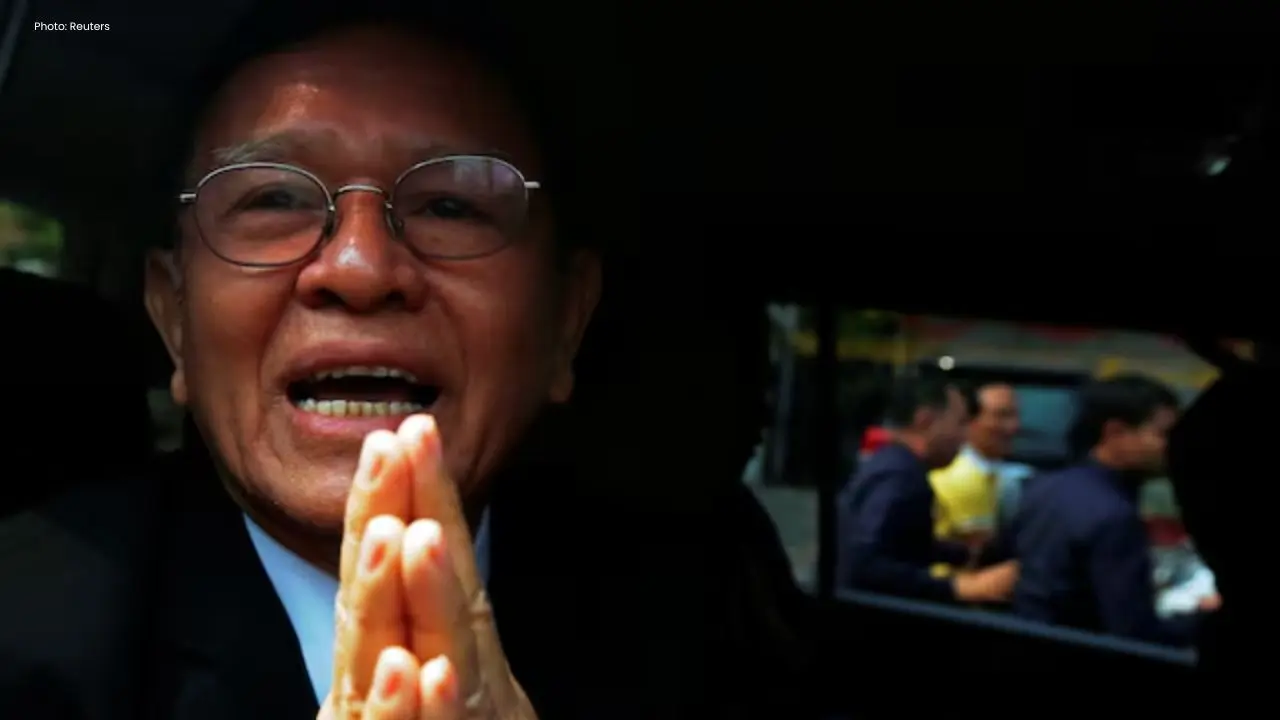
A significant number of supporters and political allies gathered outside Klong Prem Central Prison early Monday morning to welcome the 76-year-old billionaire. Many waved banners, distributed flowers, and shouted slogans in solidarity as he stepped out of the prison gates. Thaksin walked out with a smile, visibly emotional while reuniting with followers and family who came to greet him.
Among those present were his children, including former Prime Minister Paetongtarn Shinawatra. After embracing his family, he departed in a convoy of vehicles. Upon arriving home in western Bangkok, he acknowledged supporters waiting outside, light-heartedly stating that he had been in "hibernation" and had little memory of recent events. Despite the media attention, he refrained from discussing political matters after his release.
Thaksin remains a key player in Thailand’s political landscape. Having built his political career on the back of his telecommunications business, he founded a political party in 1998 and became prime minister in 2001, notably being the first Thai leader to finish a full term. His administration launched a range of welfare initiatives that gained him considerable support from the nation’s poorer demographics.
However, his increasing political power led to significant backlash from royalist factions, military figures, and urban elites. In 2006, he was ousted in a military coup during a trip abroad. The coup set off years of political turmoil, protests, and societal rifts. Following the coup, Thaksin spent a large part of his life in self-imposed exile, asserting that the charges against him were politically motivated.
Upon returning to Thailand in 2023, Thaksin was sentenced based on prior corruption and abuse of power allegations. Initially given an eight-year sentence, it was later reduced to one year by Maha Vajiralongkorn. Due to health concerns, he was placed in a hospital facility instead of prison. However, after facing criticism for perceived preferential treatment, Thailand’s Supreme Court directed that he return to prison in 2025.
Thaksin's parole was recently granted following a review of over 900 eligible inmates. Authorities cited his age, good behavior, and minimal risk of reoffending as reasons for his release. Under parole stipulations, he is required to stay at his residence in Bangkok for four months, wear an electronic monitoring device, and report regularly to probation officials. This release is anticipated to once again shape the political environment in Thailand, where his family and supporters stay actively engaged.