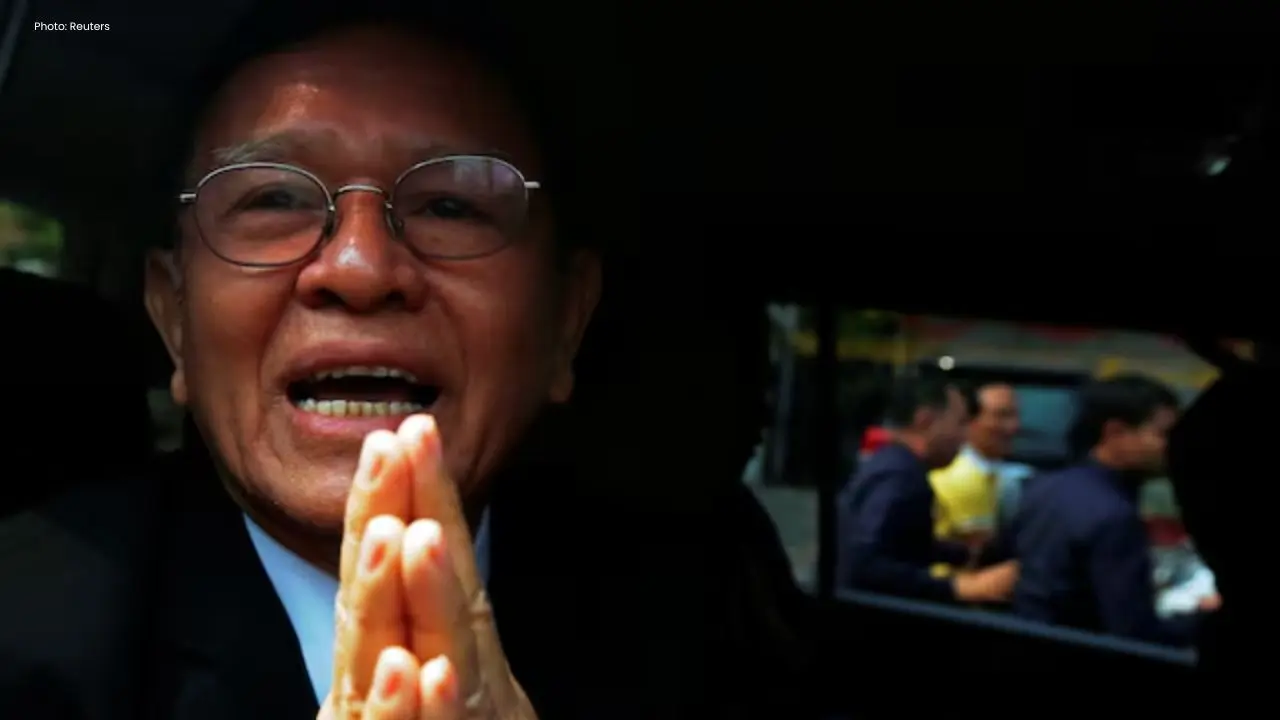
In a crucial political event in Cambodia, the appeals court has confirmed the conviction of opposition leader Kem Sokha for treason. This ruling maintains his 27-year prison sentence, representing another blow to the already beleaguered opposition.
At 72, Kem Sokha was found guilty of treason in 2023 and has since been under house arrest. Authorities alleged he collaborated with foreign entities to destabilize the government of former Prime Minister Hun Sen.
The appeals court not only upheld the lengthy sentence but also introduced further limitations on his future mobility. Following his release, a five-year travel ban will prevent him from leaving the country, as stated by his legal representative.
Disappointment marked the response from his legal team. His lawyer expressed that the ruling was unexpected and stressed the urgent need for national unity, advocating for governmental steps to bridge political gaps.
Kem Sokha's situation exemplifies a larger trend of suppressing dissenting voices in Cambodia. Over recent years, numerous opposition leaders have faced various forms of legal persecution, often leading to their exiles or arrests.
The Cambodia National Rescue Party, the leading opposition, faced dissolution in 2017, merely ahead of elections aimed at contesting the ruling Cambodian People's Party.
Consequently, elections have transpired with minimal genuine competition for the ruling party. Many opposition figures have been tried in absentia, accumulating lengthy prison sentences on charges like treason and incitement.
International responses to Kem Sokha's predicament have been overwhelmingly critical. Various Western nations and human rights organizations have voiced strong concerns regarding political freedoms and judicial impartiality, asserting that the charges against him have political underpinnings.
Despite these criticisms, the current government under Hun Manet denies any political motivation behind the legal actions, insisting that they stem from legitimate law enforcement.
This ruling underscores prevailing political strains in Cambodia, casting doubt on the potential for opposition politics to thrive. Analysts suggest that without substantial reforms, the political landscape may remain tightly controlled.